How to Choose Standard Pallet Rack Beam Size for Heavy Loads?

Time:2026-10-30 Author:Isabella
0%

Choosing a pallet rack beam for heavy loads is not a matter of picking the thickest-looking steel. The right size depends on the load’s weight, beam length, load distribution, rack configuration, and how forklifts place pallets. A beam that appears sturdy can still deflect too much when a long span carries concentrated loads. Small details matter: pallet overhang, uneven cartons, and the spacing between supporting beams can all change the design.

So, what is the standard pallet rack beam size for heavy loads? There is no single standard size that safely fits every warehouse. Beam dimensions and capacity must match the actual system and its rated load. The Rack Manufacturers Institute (RMI), an industry authority on rack design, emphasizes that rack capacity depends on the complete configuration—not one beam dimension alone. A practical way to express that guidance is: “Size the beam for the load and span, then verify the full rack system.” Treat that as a design principle, not a universal specification.

Before selecting a beam, record the heaviest pallet weight, pallet dimensions, planned beam span, and number of load levels. Check the rack manufacturer’s capacity data and have a qualified rack-design professional review unusual or especially heavy loads. Measure twice. Replace guesswork with documentation. One important limitation: published capacity may assume evenly distributed loads, while real pallets can concentrate weight near their edges. This guide explains the measurements and checks that help you choose a suitable beam size—and where professional verification is essential.
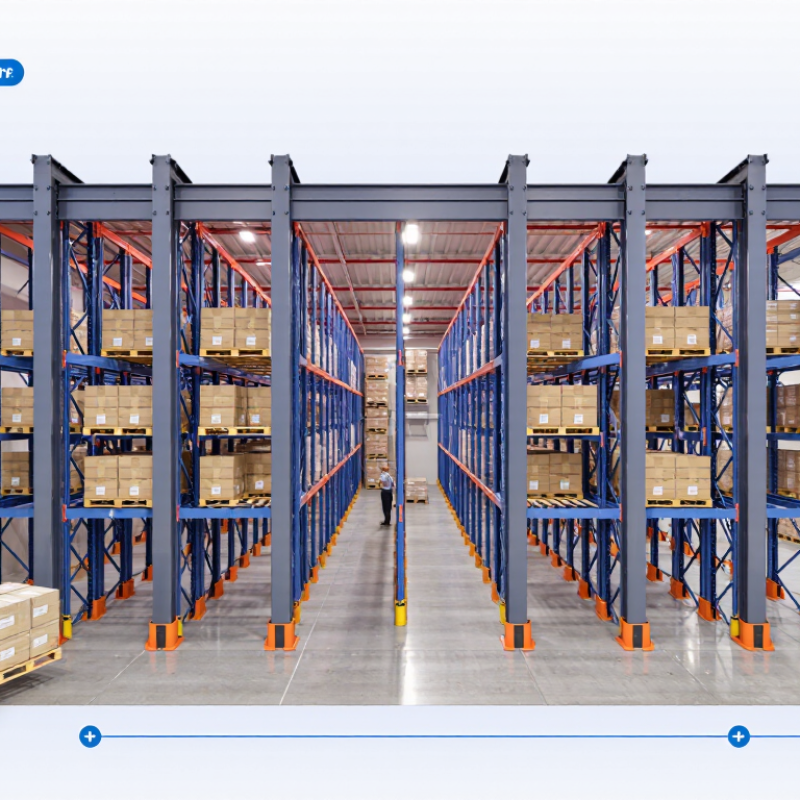
How to Choose Standard Pallet Rack Beam Size for Heavy Loads?

Define Load and Pallet Footprint (48 × 40 in GMA Pallet)

Before choosing a standard pallet rack beam, define the load and the pallet footprint. A common GMA pallet measures 48 × 40 inches, but confirm the actual pallet and loaded dimensions. Boards, wrapped cartons, or protruding products can extend beyond the edges. Measure a representative, fully loaded pallet—not just the empty base.

Record the maximum weight per pallet, including the pallet itself, and note whether the load sits evenly. Beam capacity depends on the load shared across a beam pair, the beam span, and the rack configuration. A concentrated load or uneven cartons can behave differently from a uniformly distributed load. Small detail. Check how many pallets fit in each bay and how they face: turning a 48 × 40-inch pallet changes the required spacing and may affect overhang. Recheck measurements when pallet types vary; assumptions can quietly become the weak point.

Tips: Leave practical clearance between pallets and uprights, and avoid sizing beams to a nominal footprint alone. Share the measured load, pallet orientation, and rack layout with a qualified rack supplier or engineer. Confirm the beam’s rated capacity for your exact configuration before loading.

How to Choose Standard Pallet Rack Beam Size for Heavy Loads

Start with the load and pallet footprint. This comparison assumes two 48 × 40 in GMA pallets per beam level, with the 40 in side facing the aisle.

Two pallet faces occupy 80 in across the beams; the chart shows the geometric remainder for each example beam length, not a required clearance allowance. The 48 in pallet dimension runs from the aisle toward the rack. Before choosing beams for heavy loads, confirm the actual pallet orientation, load weight per pallet, load distribution, and the rack manufacturer’s rated capacity for the beam pair and span. Beam lengths and allowable capacities vary by rack system; have the configuration verified before use.

Calculate Required Beam Capacity per Pair Using ANSI MH16.1

A pallet rack beam rating normally applies to one beam pair, not to each beam separately. Under ANSI/RMI MH16.1, compare the load at one beam level with the published capacity for the exact beam span and configuration. For example, four 900-kilogram pallets create a 3,600-kilogram level load. The beam pair must be rated for at least that load, assuming it is distributed evenly. Small detail. Do not double the listed pair capacity.

The calculation depends on real operating conditions. Include pallet weight, product weight, and any load-bearing accessories. Check whether pallets sit evenly on both beams; a shifted or concentrated load can change how forces travel through the rack. ANSI/RMI MH16.1 also addresses beam deflection, with a commonly applied limit of span divided by 180 under specified loading conditions. On a 2.7-meter span, that equals 15 millimeters. That is a design check, not permission to load a beam beyond its rated capacity.

Use the capacity table or engineering documentation for the installed beam, connector, and span. RMI’s rack-design guidance and ANSI/RMI MH16.1 are useful technical references, but field alterations can make their assumptions unreliable. I have seen teams overlook pallet weight. It is an easy mistake. Have a qualified rack designer verify unusual load shapes, uneven placement, or changed equipment before setting the operating limit.

Select Beam Length for Pallet Width, Clearance, and Overhang

Choose beam length from the loaded pallet footprint, not the pallet label alone. Stretch wrap, cartons, and uneven corners can add several inches. Measure the widest load in its storage orientation. Measure twice.

For two pallets side by side, add both load widths, the gap between loads, and the required side clearances. Compare that total with the clear opening between uprights; nominal beam length is not the same as usable space. A 48-inch pallet may carry a load wider than 48 inches. Keep overhang modest and consistent, and make sure it will not catch neighboring loads or obstruct handling. Clearance matters.

Beam length also affects capacity: longer spans generally reduce allowable load, and heavy loads may be concentrated rather than evenly distributed. Check the rack’s load tables or ask a qualified rack designer to verify the beam pair, connectors, and frame configuration. Confirm whether the stated rating assumes evenly distributed weight. If pallets extend beyond the beams, account for that geometry and the support conditions; overhang is not a substitute for a correctly sized bay. Leave room for careful placement, then review the actual load path before use. Real loads can surprise you.

Check Loaded Beam Deflection Against the Common L/180 Limit

How to Choose Standard Pallet Rack Beam Size for Heavy Loads?

Beam capacity is only part of choosing a rack beam. Check how far it bends under the actual loaded condition. The common L/180 limit means deflection should not exceed the beam span divided by 180. For a 96-inch span, that is about 0.53 inches. Small movement matters. Confirm the span used in the calculation and whether the load is evenly distributed or concentrated at particular points. Real pallet loads are not always perfectly centered, and that detail can change the result.

Compare the calculated deflection with the limit at the intended working load, not just the beam’s maximum rated capacity. A beam may carry the weight yet feel too flexible for the application. Check the rack supplier’s load tables and confirm the assumptions behind them, including beam length and load placement. L/180 is a common reference, but it is not a universal rule for every rack or operating condition. A qualified rack professional can verify the appropriate criteria. Capacity is easy to focus on; stiffness deserves a second look.

Tips: Measure the beam span accurately, then record the weight and position of each pallet. Keep that information with the rack layout. If your load pattern changes, recheck the beam selection.

Verify Frame Capacity and Secure Loads per OSHA 1910.176(b)

OSHA 1910.176(b) requires stored materials to be stable and secured against sliding or collapse. Choosing a beam by its advertised capacity is not enough. Use the heaviest planned pallet, then check the beam-pair rating for the actual span and load distribution. Confirm that each upright frame can support the total load across all beam levels. A 2022 Bureau of Labor Statistics injury-rate table reported 4.8 recordable cases per 100 full-time workers in warehousing and storage, compared with 2.7 across private industry. That difference makes sound storage practices more than paperwork.

Measure the pallet and note any overhang, uneven weight, or fragile packaging. Check the rack’s engineering tables for the installed configuration; changing beam height can affect frame capacity. Secure loads so they cannot shift, and keep heavy items low where practical. Inspect beams and uprights for dents, bends, loose connections, or missing capacity labels. Stop using damaged components until a qualified person assesses them. One detail is easy to miss: drawings may not reflect today’s inventory. Recheck them when pallet weights or rack layouts change. Capacity labels help, but they do not replace a current load plan.

FAQS

Why measure a fully loaded pallet instead of the empty base?

Wrapped cartons or protruding products can extend beyond the pallet edges. Measure the widest loaded footprint. Measure twice.

What weight should be used when checking beam capacity?

Include the pallet, products, and load-bearing accessories. Use the maximum weight per pallet, not an estimate based on product weight alone.

Does a beam’s capacity rating apply to one beam or a pair?

It usually applies to a beam pair. Four 900-kilogram pallets create a 3,600-kilogram load at that level. Do not double the pair rating.

How does uneven loading affect capacity?

A concentrated or shifted load may send forces through the rack differently. Check the actual load placement. This detail is easy to miss.

How do I choose beam length for two pallets side by side?

Add both loaded widths, the gap between pallets, and side clearances. Compare the total with the clear opening between uprights.

Does pallet orientation change the required rack spacing?

Yes. Turning a 48 × 40-inch pallet changes its width across the bay. Recheck spacing and overhang for each orientation.

Why does beam span matter when selecting capacity?

Longer spans generally reduce allowable load. Verify the exact span, beam pair, connectors, and rack configuration using technical documentation.

How much beam deflection is acceptable?

Some designs use a deflection limit of span divided by 180 under specified conditions. For a 2.7-meter span, that equals 15 millimeters. It is not extra loading capacity.

Can pallet overhang replace a correctly sized beam?

No. Keep overhang modest and consistent, and check the support conditions. Loads can surprise you.

Conclusion

Choosing a beam for heavy pallet loads starts with the load itself: determine the weight of each fully loaded pallet and confirm its footprint. A common reference is the 48 × 40 in GMA pallet, but the actual pallet dimensions and load shape should guide the layout. To answer “what is the standard pallet rack beam size for heavy loads,” first calculate the required capacity per beam pair using the applicable ANSI MH16.1 design criteria; there is no single beam size suitable for every load or rack configuration.

Next, select a beam length that fits the pallet width while allowing adequate clearance between pallets and at the uprights, and account for any permitted overhang. Check that the loaded beam’s deflection remains within the commonly used L/180 limit, then verify that the rack frame can support the combined loads. Finally, position and secure loads so they remain stable during storage and handling, following applicable workplace safety requirements such as OSHA 1910.176(b).

Isabella

Isabella

Isabella is a dedicated marketing professional with a sharp focus on driving brand growth and engagement through strategic content creation. With an extensive background in digital marketing, she combines her passion for storytelling with her keen understanding of industry trends to deliver......