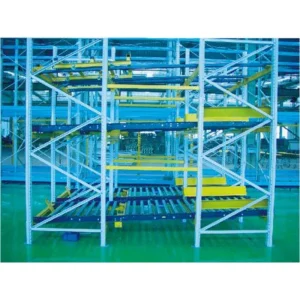
Engineered dynamic roller-track racking systems optimized for high throughput warehouse logistics
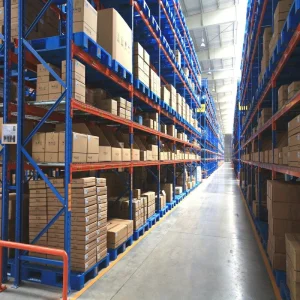
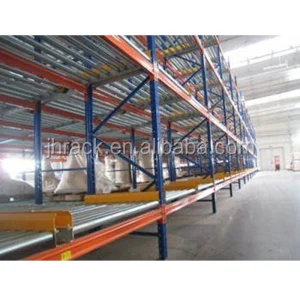
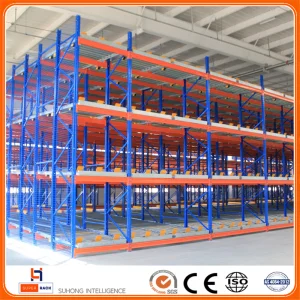
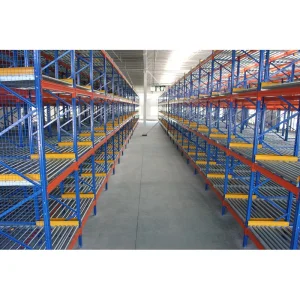
In the modern era of logistics and supply chain optimization, industrial operations worldwide are experiencing a fundamental shift toward vertical density maximization and automated space allocation. Global e-commerce trends, food storage constraints, and strict pharmaceutical regulations have turned raw floor space into a premium asset. Industrial warehouses can no longer afford wide traffic aisles for selective racking systems when Gravity Flow Racking (Pallet Flow / Live Racking) can deliver up to an 80% increase in storage density while establishing automated inventory rotation.
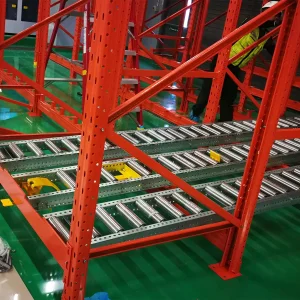
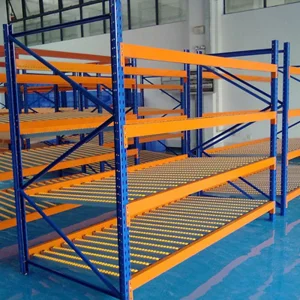
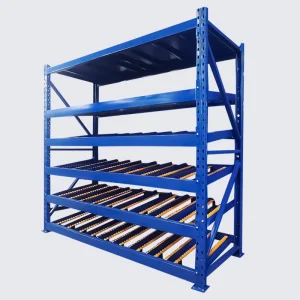
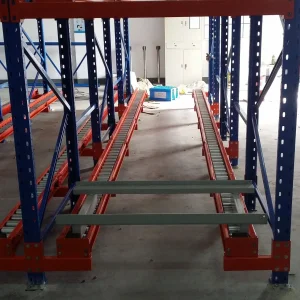
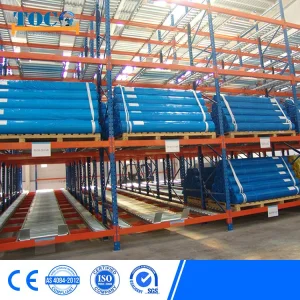
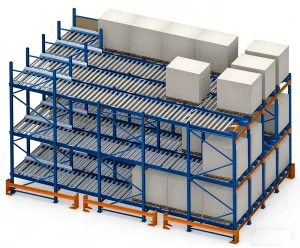
Gravity flow racking systems operate on a dynamic, slope-driven conveyor line layout. Heavy pallets are loaded on the high-end entry side of a gravity-driven lane and roll safely to the low-end discharge side. This inherent mechanical movement creates a physical separation of loading and picking functions. Unnecessary forklift transit time is eliminated, leading to substantial energy and time savings. Globally, corporations in cold chain food logistics, consumer package goods (FMCG), and chemical handling utilize these dynamic systems to maintain strict FIFO (First-In, First-Out) control, mitigating spoilage risk and enhancing traceability.
Integrating structural dynamic gravity flow storage delivers immediate, verifiable efficiency gains:
Deep dive into structural physics, gravity slope calculations, and dynamic safety components
Gravity pallet flow systems require highly precise engineering. The declination angle of the roller rail is calculated based on pallet weight range, material, and bottom runner structure. Generally calibrated between 3.0% and 4.0%, the slope must supply sufficient gravitational force to overcome friction coefficients without causing pallet acceleration vectors that threaten structural stability.
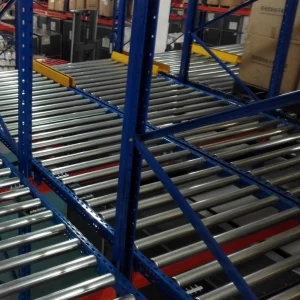
To prevent runaways and control load speed, centrifugal brake rollers (speed controller dampers) are installed at exact intervals down the lane. When a pallet rolls over a speed controller, internal gears engage brake shoes that press against the roller wall, transforming kinetic energy into thermal dissipation, maintaining pallet speed below 0.3 m/s.
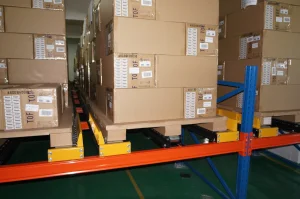
At the discharge end, the accumulation of multiple heavy pallets creates back pressure. A dedicated mechanical exit separator segregates the first pallet from subsequent loads. Removing the lead pallet releases the separator latch, letting the next load advance safely. This protects forklift operators from load bind.
Operating out of South China's premier industrial cluster in Guangzhou, Guangzhou LogiSteel Racking Co., Ltd. is a leading manufacturer specializing in the design, production, sales, and installation of advanced storage racking systems, display stands, and supermarket equipment. Over the years, we have developed into a highly reliable and certified supplier in the global material handling industry.
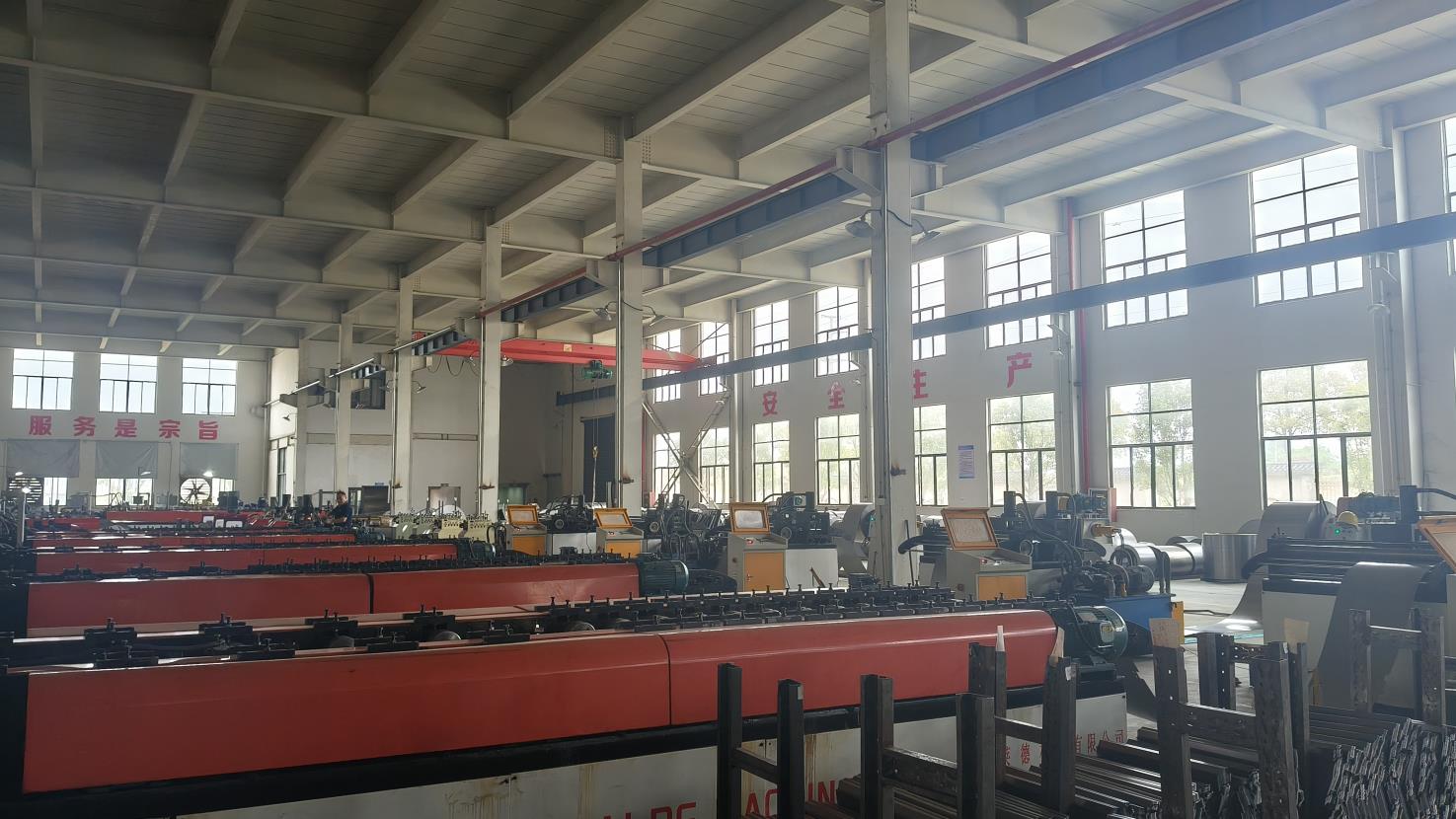
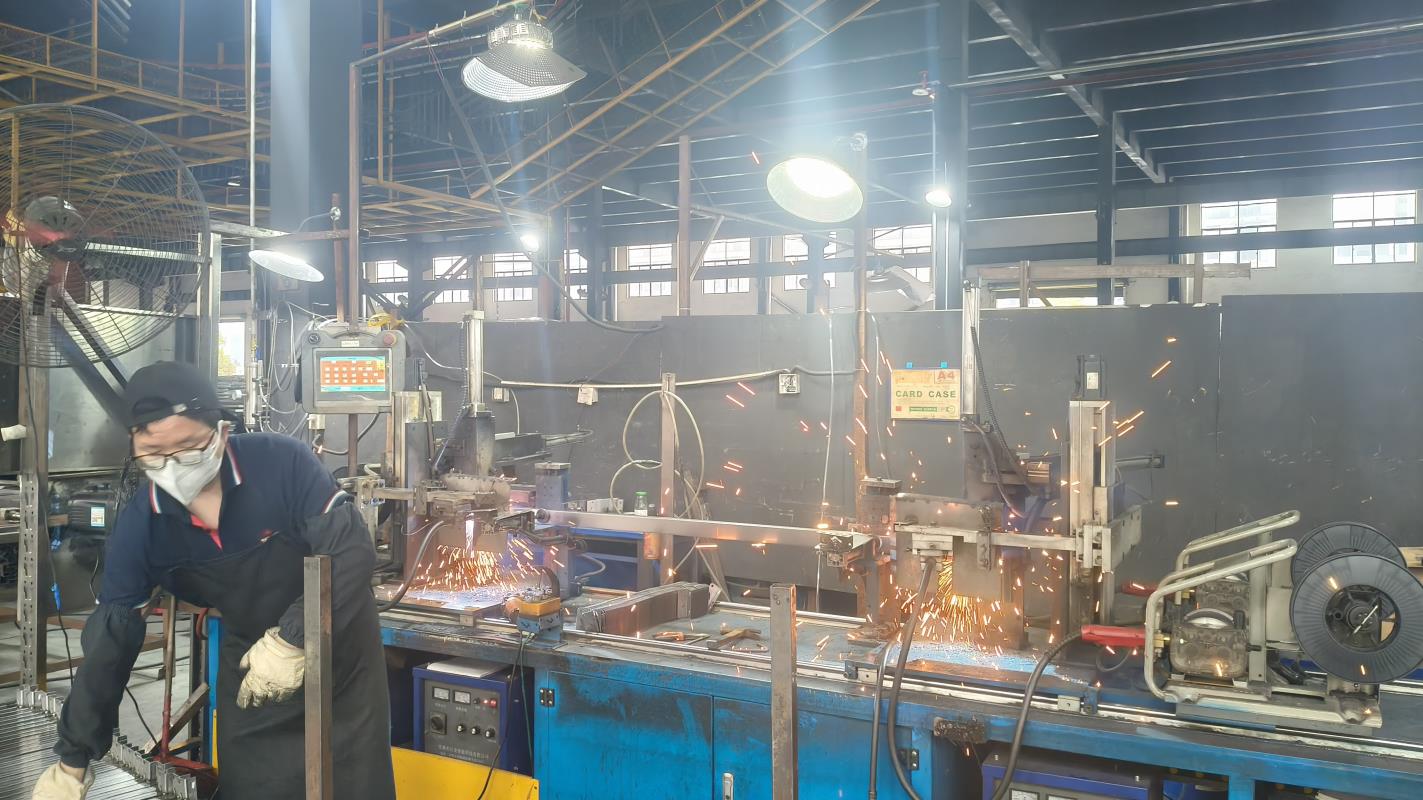
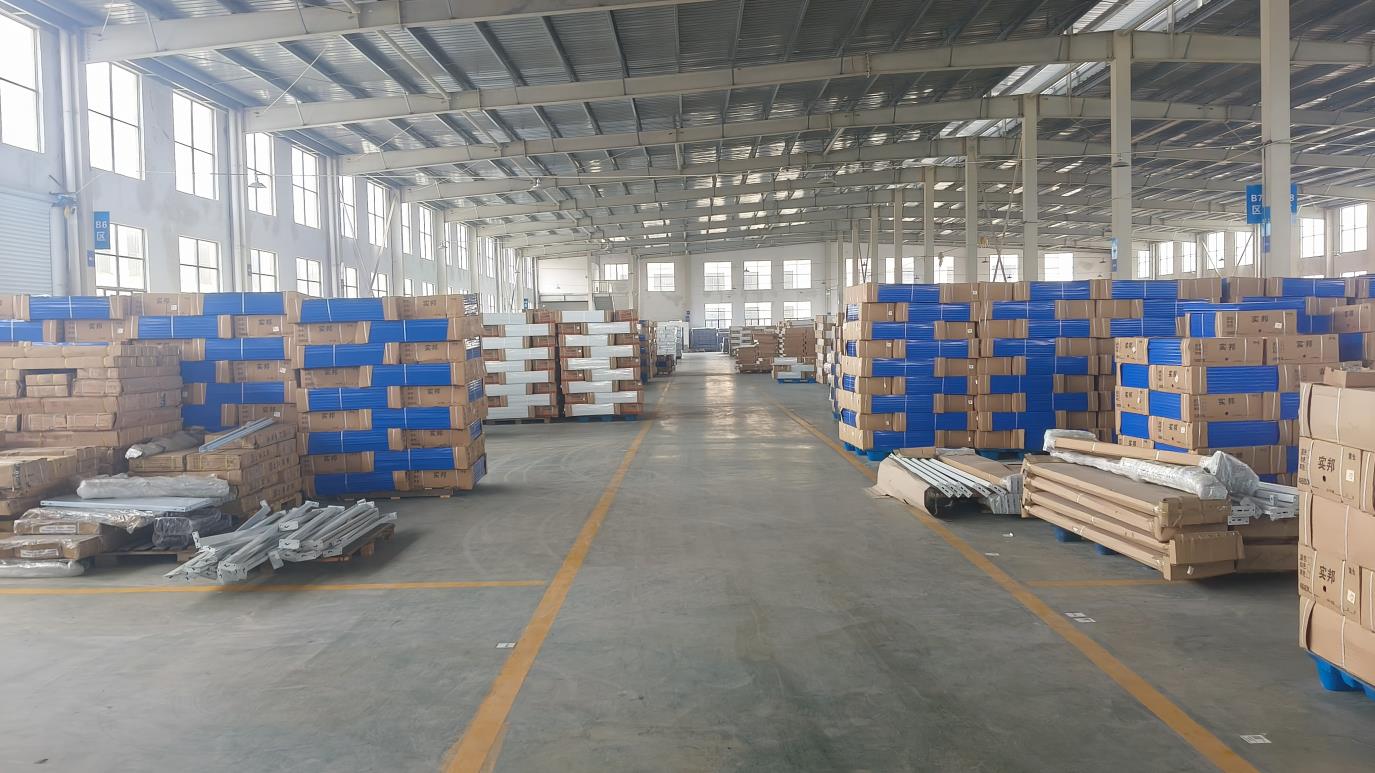
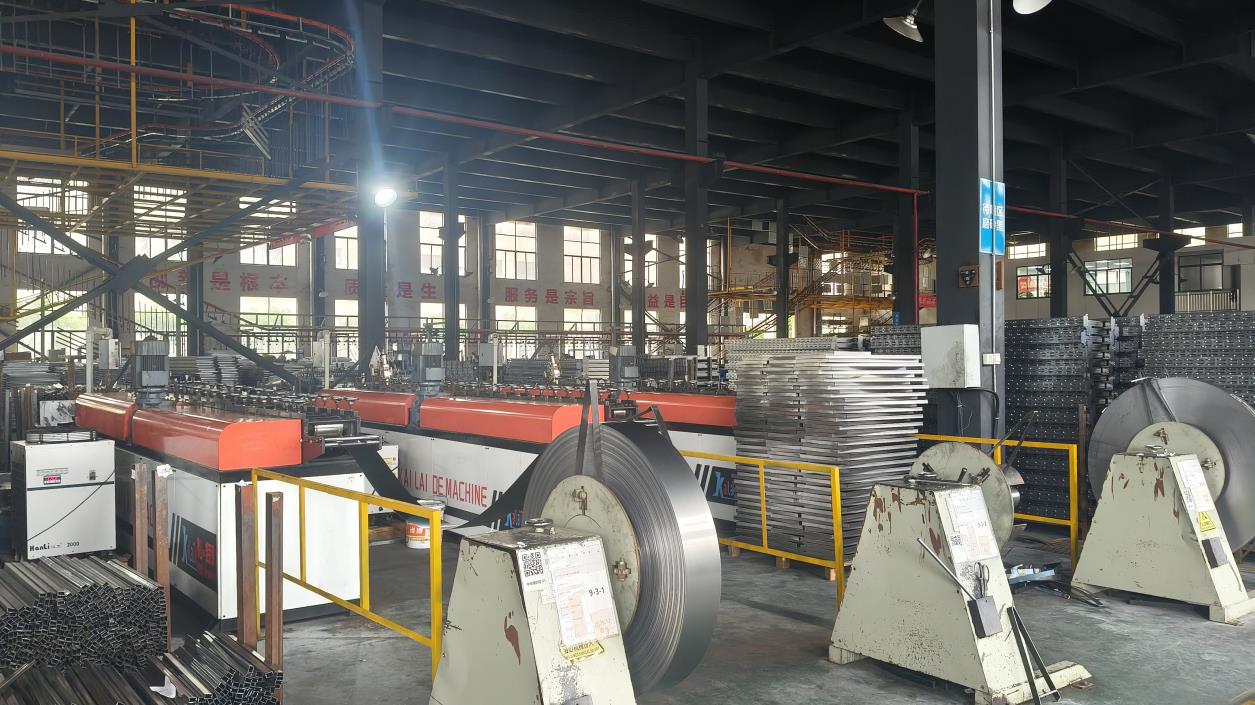
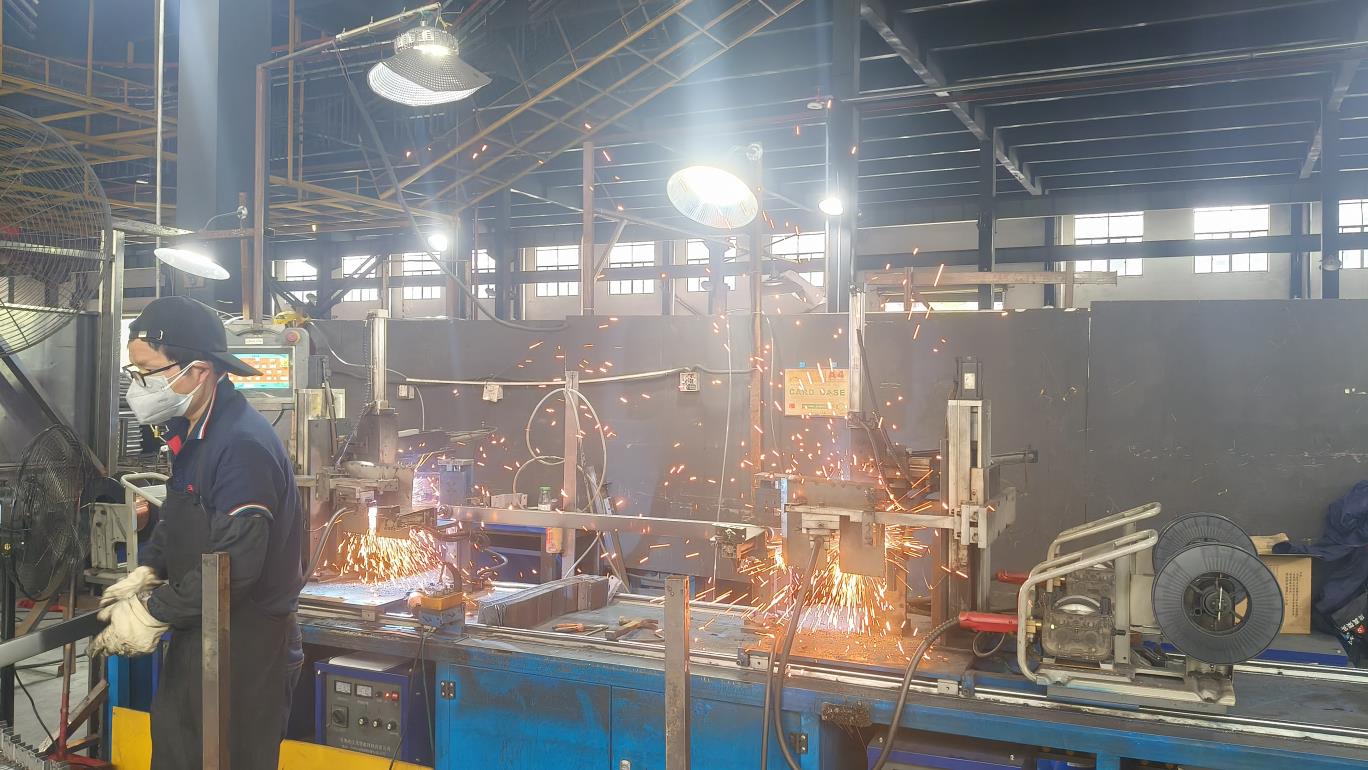
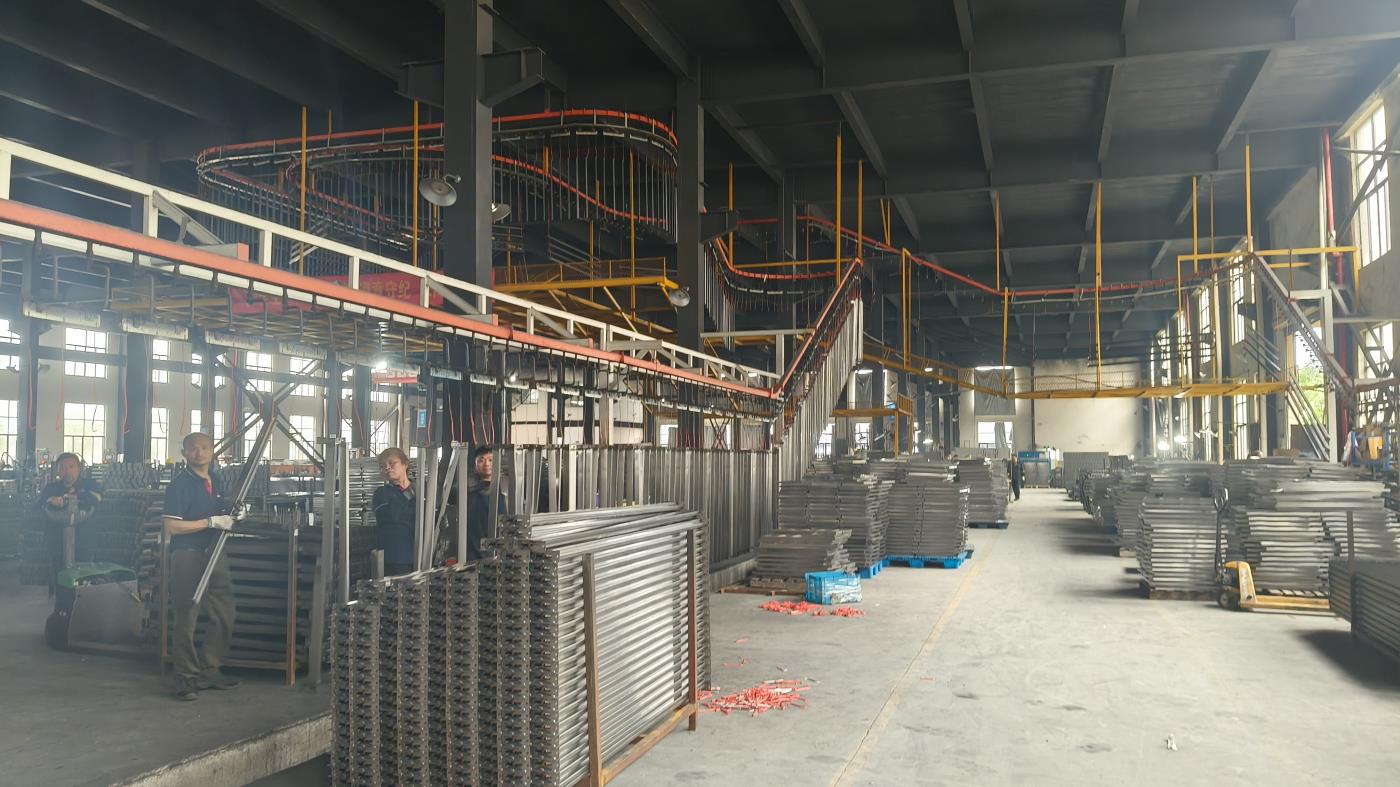
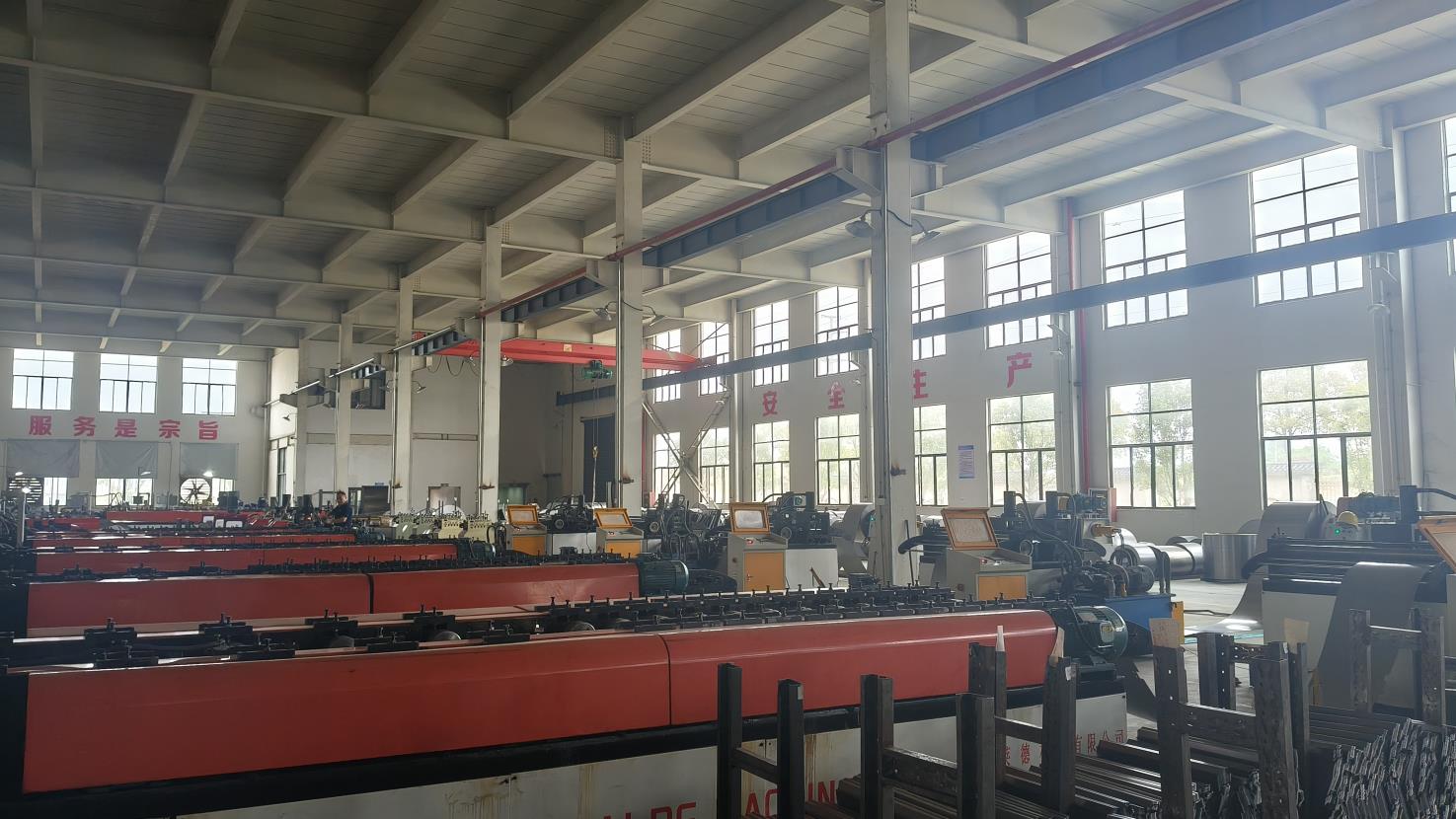
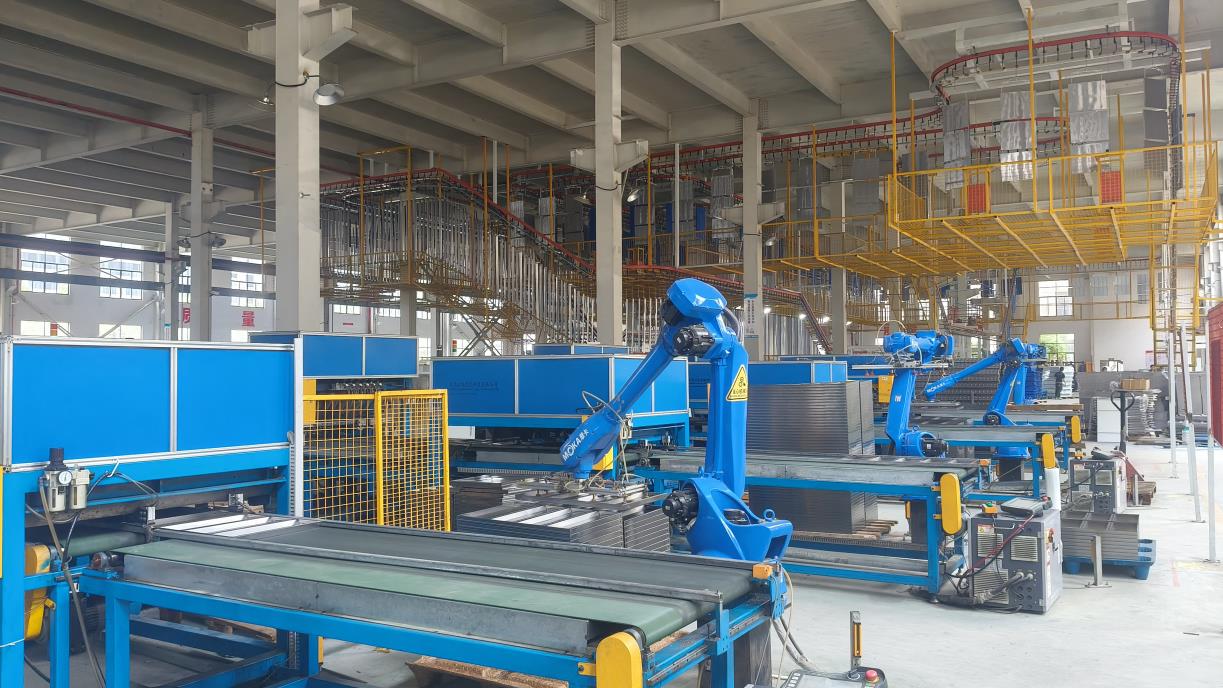
Our production facility spans over 15,000 square meters and houses a dedicated team of over 200 skilled workers and experienced design engineers. Utilizing automated machinery, LogiSteel ensures high-grade material consistency and structural structural integrity across all components. Our machinery includes tube cutting saws, tube punching machines, guillotine shears, hydraulic punching machines, plate bending machines, spot welding machines, and state-of-the-art automatic cold roll-forming mills.
Procuring gravity flow systems from China through LogiSteel offers crucial strategic advantages: access to local raw materials, efficient logistics, and highly integrated production cycles. By sourcing high-tensile steel locally, we protect our clients from cost fluctuations. Our proximity to Guangzhou's deep-water ports guarantees efficient ocean freight booking, fast customs clearance, and reduced shipping transit times to key global hubs.
Beyond geographical positioning, our engineering team handles custom system layouts. Every gravity pallet flow lane is simulated using variable load dynamics prior to fabrication. This ensures that the roller pitch, frame strength, and deceleration components perform reliably under demanding operational cycles.
LogiSteel's automated facility runs advanced roll-forming, steel cutting, surface preparation, and quality assurance processes
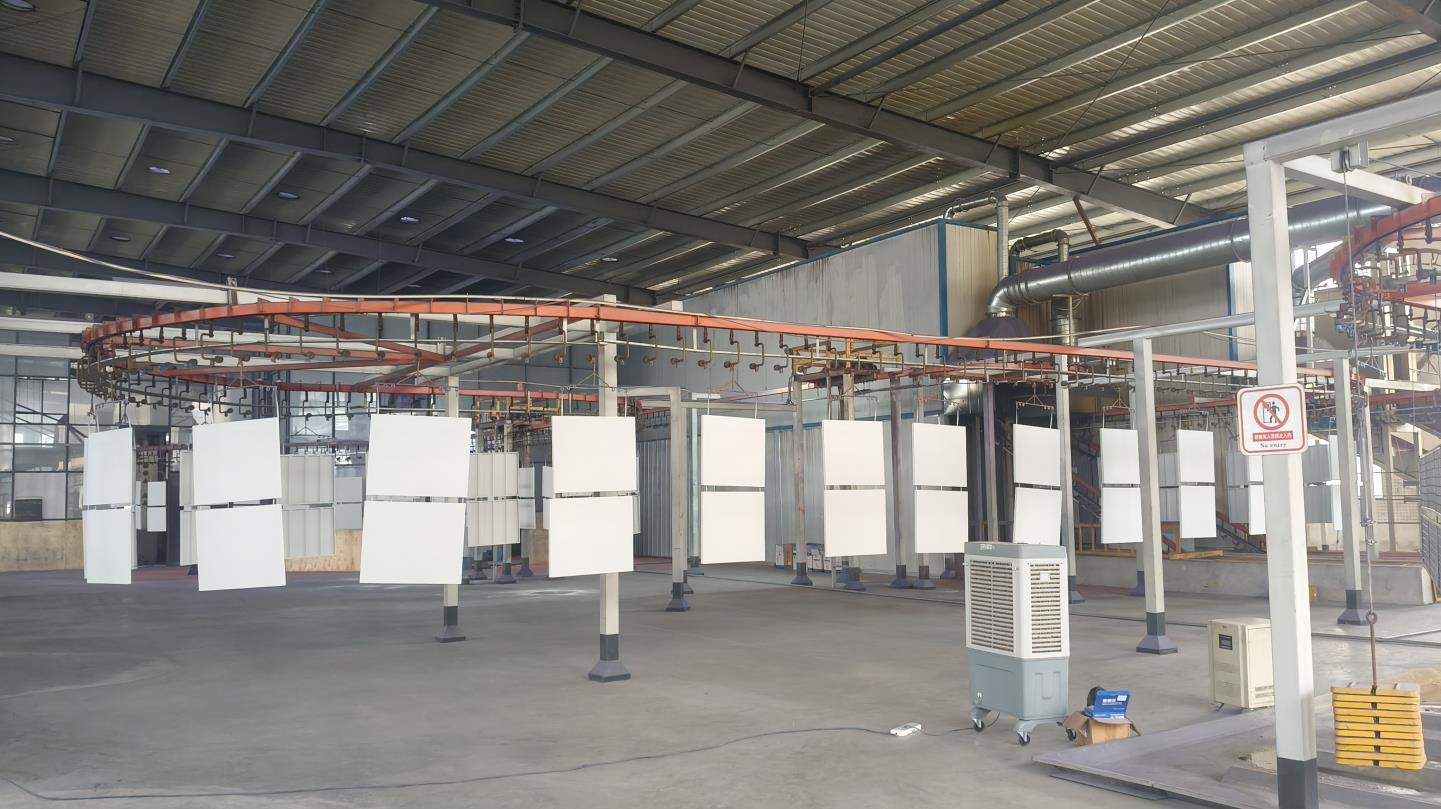
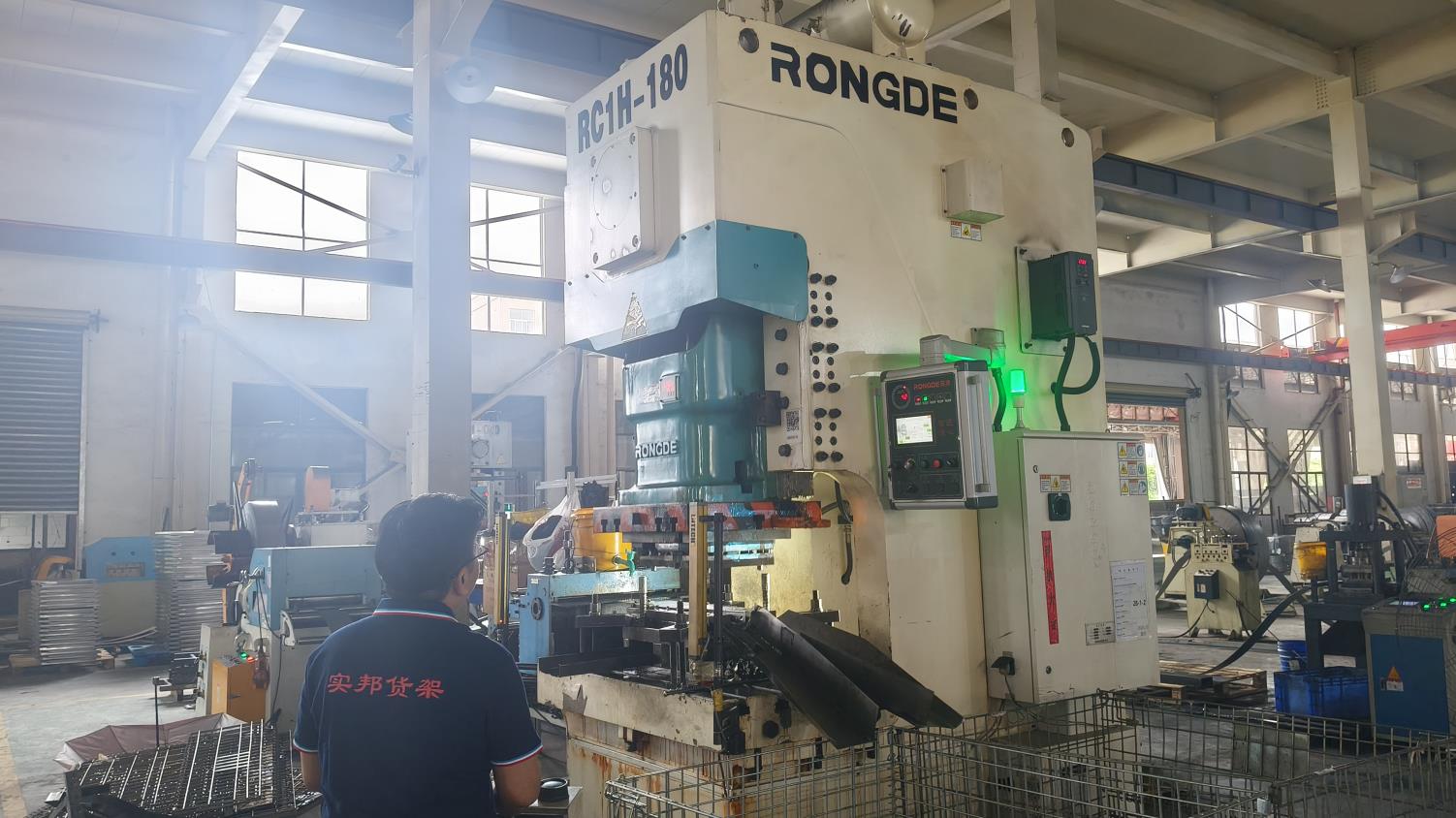
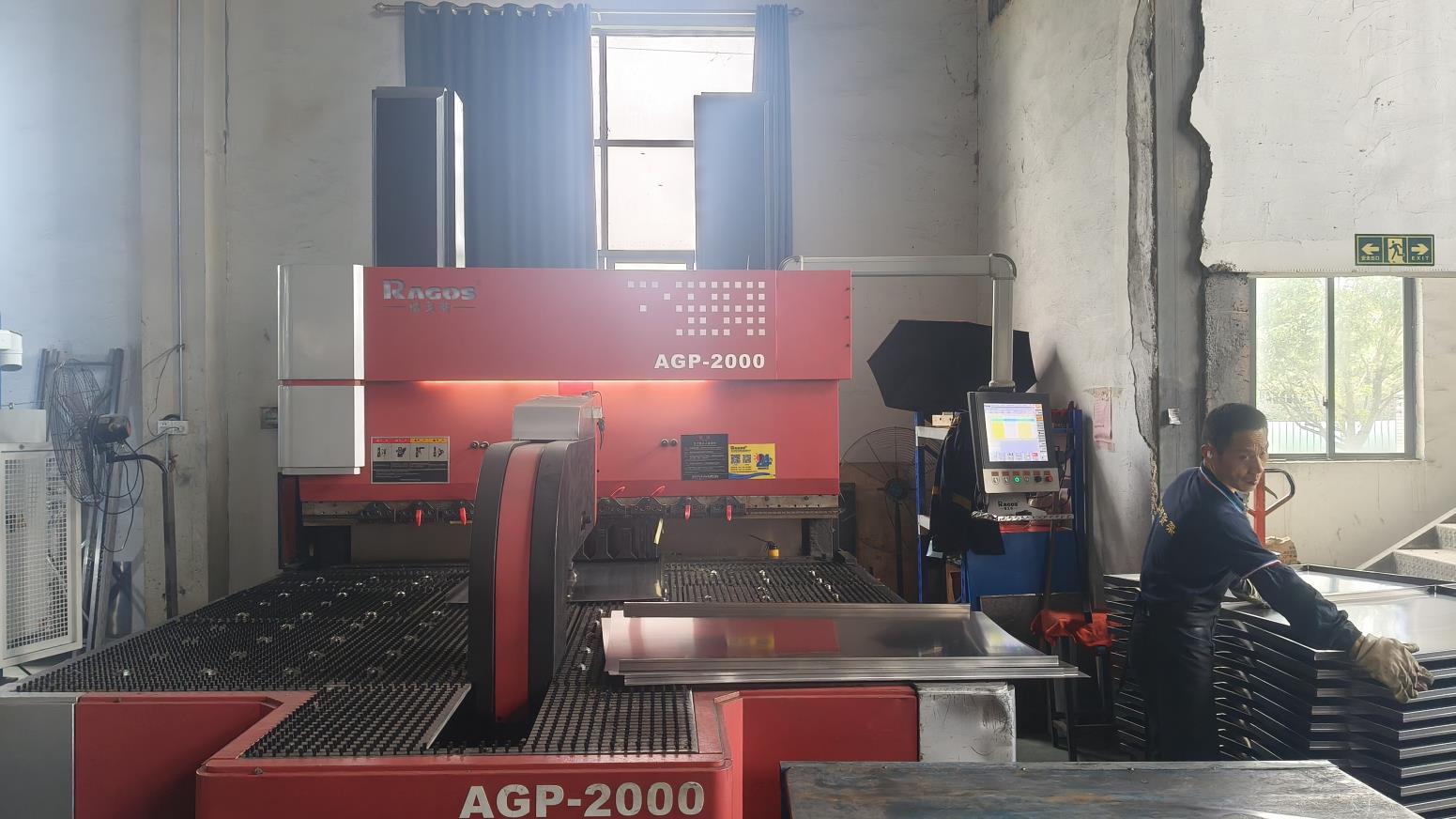
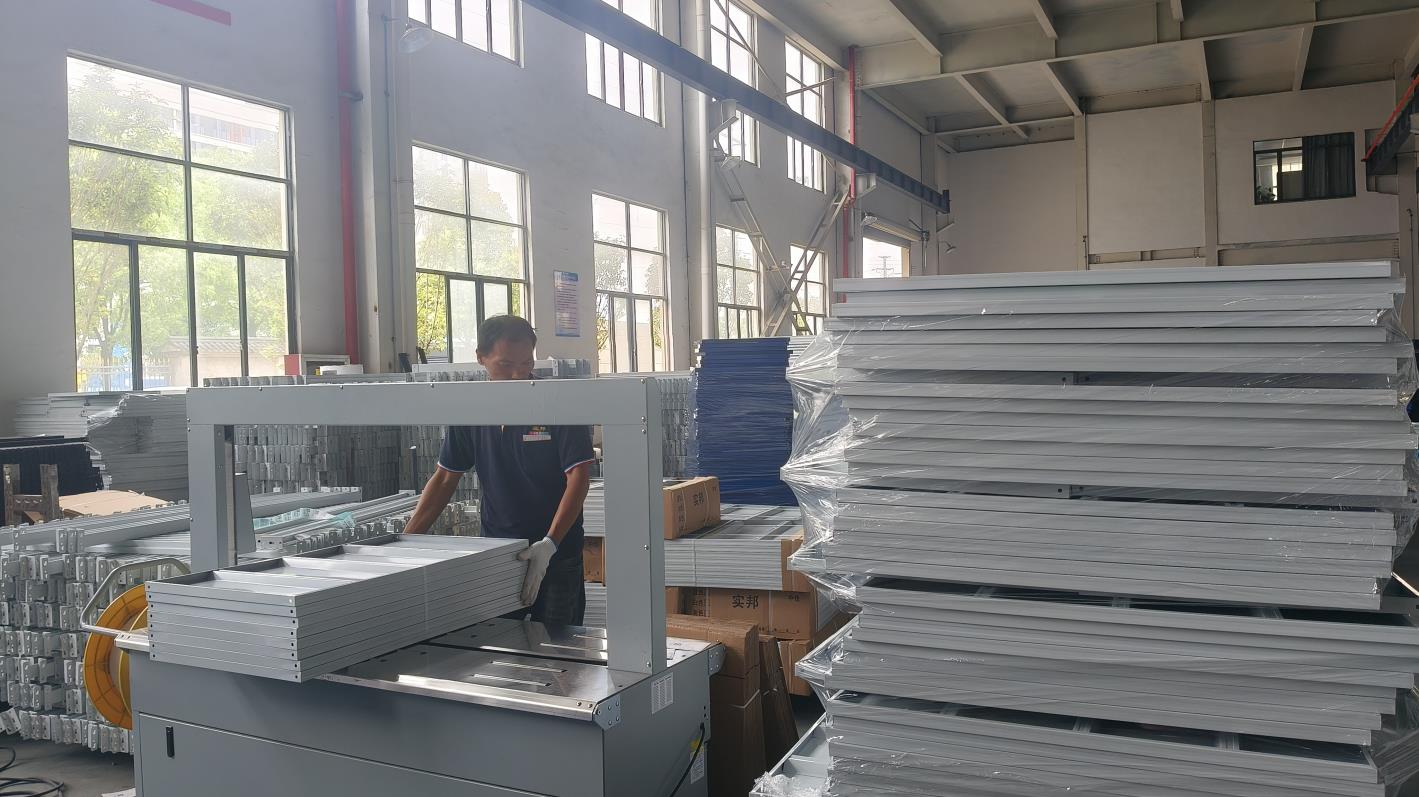
Tailoring gravity storage dynamics to the unique demands of global industrial operating environments
Operating at temperatures as low as -30°C requires special consideration. In refrigerated zones, standard bearings can freeze up due to condensation. LogiSteel designs cold-chain flow lanes equipped with customized low-viscosity synthetic lubricants and rust-resistant galvanized steel components. This prevents roller lockups, ensuring smooth, continuous gravity flow operations.
Compliance with FDA guidelines and ATEX explosion-proof requirements is critical in these sectors. We deliver anti-static gravity rollers made from heavy-walled structural steel, preventing electrostatic charge accumulation during pallet travel. Stainless-steel construction is used to resist chemical corrosion and withstand frequent washdowns.
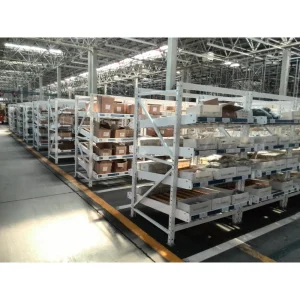
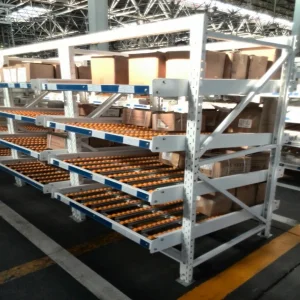
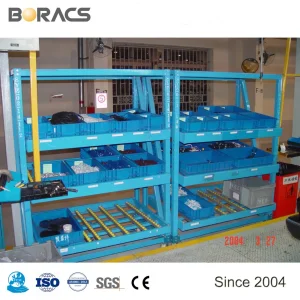
Just-In-Time (JIT) manufacturing requires synchronized parts feeding. Here, Carton Flow systems are integrated into low-profile assembly line racks. Operatives pick small parts boxes on the fly, with empty bins rolling away on return lines. This maintains a steady workflow and minimizes assembly line disruptions.
High throughput fluctuation requires systems that adapt quickly. LogiSteel designs dynamic flow systems with adjustable lane widths and pitch settings. These modular systems are designed to easily integrate with AMRs (Autonomous Mobile Robots) and automated conveyor loops.
Pioneering the next generation of smart gravity-driven inventory management systems
As industrial facilities move toward automation, the physical components of gravity flow systems are evolving. LogiSteel is at the forefront of this shift, integrating sensor technologies into standard structural steel racking. Our technology roadmap focuses on three main developments:
When deploying large-scale racking systems, global compliance and local support are critical. LogiSteel is committed to ensuring our products meet international quality and safety requirements. Our manufacturing processes and products are certified with CE standards, ensuring full compliance with European safety regulations.
We also design our systems in accordance with key industry standards, including the European Racking Federation (FEM 10.2.02) guidelines and the Rack Manufacturers Institute (RMI) specifications. This structural engineering rigor ensures safety in seismic zones and under maximum load conditions.
To support our global customers, we have established a network of local partners and distributors across Oceania, Asia, Europe, South America, and the Middle East. Combined with our technical sales support, we respond to inquiries within 24 hours and assist with system layout, commissioning, and safety audits.
Answers to key technical questions from procurement managers and supply chain engineers
For standard pallets weighing between 500kg and 1200kg, the industry-standard declination angle is typically between 3% and 4%. The exact slope is determined by testing the specific pallet material (wood, plastic, or metal) and runner design against the friction coefficient of the rollers.
Speed controllers (centrifugal brake rollers) regulate pallet speed to below 0.3 m/s. When a pallet moves over the controller, it rotates an internal gear system that applies braking force. Typically, one speed controller is required for every 2 to 3 pallet positions, though this varies based on load weight and lane length.
Yes. While wood pallets with bottom runners are most common, plastic, metal, and non-standard pallets can be accommodated. We often recommend full-width steel rollers or specialized three-track layouts to ensure the pallet bottom is fully supported and moves smoothly.
The exit separator isolates the first pallet at the pick face from the load pressure of the following pallets. This mechanical release system makes it easier for forklifts to retrieve the front pallet without binding, improving safety and cycle times.
All LogiSteel racking products carry CE certification. Our designs comply with European FEM 10.2.02 and US RMI guidelines, ensuring structural safety, load-bearing reliability, and stability in seismic conditions.
We test lane slopes and roll consistency using the customer's actual pallet configurations. This testing verifies roller alignment, speed control responsiveness, and the function of the exit separator under load, ensuring the system arrives ready for installation.
Explore our full line of dynamic roller racking, carton flow options, and heavy-duty steel shelving
 LogiSteel Racking