Designing a Narrow Aisle Warehouse Racking System Tips and Tricks?

Time:2026-08-03 Author:Oliver
0%

Designing a narrow aisle warehouse racking system requires careful planning and consideration. Effective design can drastically improve storage efficiency. Learning how to design a narrow aisle warehouse racking system is essential for maximizing space. Optimizing aisle width can create more room for inventory. It can also enhance access for lift equipment.

When considering such systems, one must evaluate the specific needs of the warehouse. Understanding the types of products stored is crucial. Different items may require different handling methods. This demands a flexible yet robust design approach. It is also important to think about safety and compliance with regulations. Issues may arise if proper guidelines are not followed.

Feedback from users is vital. They can provide insights on system performance and areas needing improvement. Regularly reviewing the design helps maintain optimal efficiency. Mistakes in planning can lead to significant operational challenges. Aim to create a system that evolves with changing needs. The goal is not just storage, but effective, reliable warehousing.
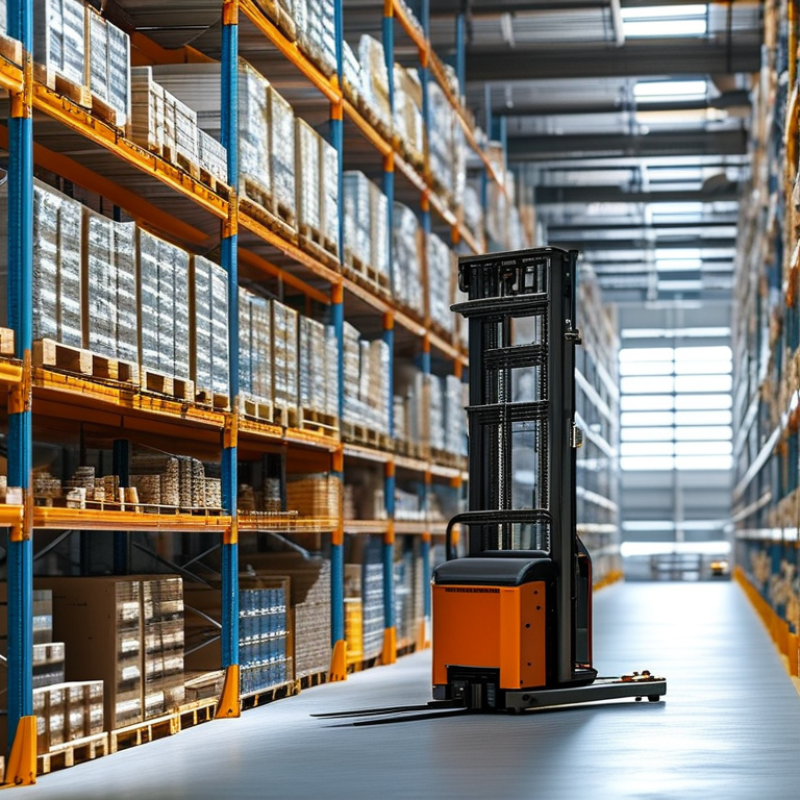
Designing a Narrow Aisle Warehouse Racking System Tips and Tricks?

Understanding the Basics of Narrow Aisle Warehouse Design

Narrow aisle warehouse design focuses on maximizing space efficiency while maintaining safety and accessibility. According to the Material Handling Industry, a well-planned narrow aisle system can utilize up to 85% of warehouse space compared to standard racking systems. This high density storage is crucial in today’s competitive market, where real estate costs are increasingly significant.

Key aspects of narrow aisle design include optimizing racking configurations and selecting appropriate equipment. Dual-use racking can enhance flexibility, allowing for different types of products to be stored. However, careful consideration must be given to the aisle width. Aisles that are too narrow can lead to accessibility issues and increased risk of accidents. The optimal aisle width often ranges between 5 to 6 feet, depending on equipment size and storage tactics.

Another important factor is the choice of lift equipment. Narrow aisle forklifts can improve efficiency but require specialized training. The decision to use such equipment should consider both cost and safety. Research indicates that 70% of warehouses face challenges aligning operational efficiency with safety protocols. Regular assessments can help identify these gaps, ensuring both productivity and employee safety are prioritized.

Narrow Aisle Warehouse Racking System Efficiency

Choosing the Right Racking System for Your Space and Needs

Choosing the right racking system for a narrow aisle warehouse involves understanding your specific needs and the layout of your space. According to the Material Handling Industry of America, optimizing warehouse space can lead to increased productivity by 30% or more. This emphasizes the importance of selecting a system that maximizes usability while minimizing wasted space.
When assessing racking systems, consider the types of products you store. Heavy loads may require strong and durable racks, while lighter items can benefit from adjustable shelving. Look into specific configurations like selective, narrow aisle, or push-back systems. Each option has advantages and drawbacks. For example, narrow aisle racks save space but may limit access to certain items.

TIP: Evaluate the turning radius of your equipment. Narrow aisles might require specialized forklifts, which can add to costs.

It's crucial to account for future growth. Data from the Warehouse Efficiency Association indicates that businesses may need to adjust their racking systems within 3 to 5 years due to changing inventory. Reflect on your long-term goals, as flexibility might outweigh short-term savings.

TIP: Regularly assess your racking system as your operation evolves. Outdated racking may hinder overall efficiency and safety.

Maximizing Storage Efficiency in Narrow Aisle Warehouses

Maximizing storage efficiency in narrow aisle warehouses involves clever design and optimal layouts. One key aspect is the selection of racking systems. Choosing adjustable racks can enhance flexibility as product lines change. This allows for quick adjustments to accommodate varying sizes of inventory. Employing high-density storage solutions, such as pallet flow and drive-in racks, helps utilize vertical space effectively.

Another vital element is aisle width. Narrow aisles can save space but pose challenges for maneuvering. It is essential to balance aisle width with operational efficiency. Investing in specialized equipment, like narrow aisle forklifts, can optimize this balance. Regularly reviewing the layout is crucial to ensure it meets operational needs over time.

Training staff on efficient picking routes can also boost productivity. Employees should be aware of the layout and the quickest paths to frequently picked items. Additionally, implementing inventory management systems can streamline processes. However, it is important to remain flexible. As business needs evolve, periodic reassessments of the storage system can provide new opportunities for improvement.

Safety Considerations for Narrow Aisle Warehouse Operations

Narrow aisle warehouse operations present unique safety challenges. The limited space can make maneuvering equipment difficult. This increases the risk of accidents. It's critical to train staff on proper navigation techniques. Regular drills can enhance their response in emergencies.

Proper signage is essential. Ensure that all pathways are clearly marked. Visual aids help workers recognize hazards quickly. Installing mirrors at aisle ends can prevent collisions. Lighting is another key factor; bright illumination reduces shadows and increases visibility.

Regular equipment maintenance is vital for safety. Ensure all machinery is functioning well. Inspect forklifts and pallet jacks routinely. Don't overlook the importance of personal protective equipment. Hard hats and safety vests can prevent injuries. User feedback can guide improvements. If workers feel unsafe, they should voice concerns. Listening to staff can lead to a safer work environment.

Maintenance Tips for Optimal Performance of Racking Systems

Maintaining a narrow aisle warehouse racking system is vital for optimal performance. Regular checks can prevent minor issues from escalating. Begin by inspecting each racking unit. Look for signs of wear, such as rust or bent components. Address these issues promptly to extend the racking system’s lifespan.

Tips: Always keep your racking system clean. Dirt accumulation can hide potential problems. Furthermore, ensure that your workforce is trained in safe loading practices. Improper loading can lead to racking instability. It is essential to follow safety protocols while operating in narrow aisles.

Consider engaging professionals for annual audits. They can identify weaknesses in your setup. Keep records of maintenance activities as this ensures accountability. Reflect on previous inspections and adjust your maintenance schedule accordingly. This continuous improvement approach can enhance the efficiency of your warehouse operations.

Designing a Narrow Aisle Warehouse Racking System Tips and Tricks - Maintenance Tips for Optimal Performance of Racking Systems
Tip Description Frequency Responsibility
Regular Inspections Conduct regular assessments to identify wear and tear. Monthly Warehouse Manager
Lubricate Moving Parts Lubricate rollers and other moving parts to reduce friction. Quarterly Maintenance Team
Load Weight Monitoring Ensure maximum weight limits are not exceeded for safety. Ongoing Warehouse Staff
Cleaning Regularly clean the racking system to prevent debris buildup. Weekly Cleaning Crew
Training Staff Train staff on proper racking usage and safety protocols. Annually Human Resources

FAQS

: What is narrow aisle warehouse design?

: Narrow aisle warehouse design maximizes space efficiency while ensuring safety and accessibility for operations.

How much space can a well-planned narrow aisle system utilize?

A well-planned narrow aisle system can utilize up to 85% of warehouse space compared to standard systems.

What is the optimal aisle width for narrow aisle warehouses?

The optimal aisle width often ranges between 5 to 6 feet, depending on equipment size and storage methods.

Why is staff training important in narrow aisle warehouses?

Staff training on navigation techniques reduces the risk of accidents and improves operational efficiency.

How can equipment choice impact narrow aisle operations?

Selecting appropriate equipment, like narrow aisle forklifts, improves efficiency but requires specialized training for staff.

What role does regular layout review play in warehouse design?

Regular layout reviews ensure the warehouse meets evolving operational needs and identifies opportunities for improvement.

What are some key safety considerations in narrow aisle warehouses?

Important safety considerations include proper signage, adequate lighting, and regular equipment maintenance.

How can user feedback improve safety in the warehouse?

Listening to staff feedback about safety concerns can lead to enhancements in the working environment.

What is the impact of having narrow aisles on maneuverability?

Narrow aisles save space but make maneuverability more challenging, increasing the risk of accidents.

Why is flexibility important in narrow aisle warehouse design?

Flexibility allows for adjustments in racking and layouts, accommodating changing inventory sizes and product lines.

Conclusion

Designing a narrow aisle warehouse racking system involves several key considerations to enhance storage efficiency and operations. First, it's essential to understand the basics of narrow aisle warehouse design, which includes space optimization and layout planning. Choosing the right racking system that meets specific space requirements and operational needs is crucial for maximizing storage capacity. Additionally, safety considerations must be integrated into the design to protect staff and equipment, ensuring a safe working environment.

To maintain optimal performance of the racking systems, regular maintenance is vital. This includes routine inspections and adjustments to prevent damage and ensure longevity. By focusing on these tips and tricks on how to design a narrow aisle warehouse racking system, warehouse managers can create an organized and efficient storage solution that meets both current and future demands.

Oliver

Oliver

Oliver is a seasoned marketing professional with a wealth of expertise in driving brand awareness and engagement. With a deep understanding of our company's product offerings, he consistently delivers high-quality content that enriches our professional blog. His insights not only shed light on......