How to Prevent Forklift Damage to Warehouse Racking Systems?

Time:2026-07-14 Author:Charlotte
0%

In today's fast-paced warehousing environment, managing forklift operations safely is crucial for maintaining racking integrity. According to a recent report by the Material Handling Industry of America, over 20% of warehouse damage incidents involve forklifts colliding with racking systems. This not only leads to costly repairs but also jeopardizes worker safety. Effective strategies to address this issue can help improve operations.

Expert John Doe, a renowned safety consultant in warehouse management, states, "Preventative measures are key to how to prevent warehouse racking forklift damage." His emphasis on training and proper equipment usage resonates strongly in the industry. Investments in innovative technology, such as collision sensors and better aisle design, can significantly reduce risks associated with forklift operations.

Furthermore, implementing regular safety audits can help identify vulnerabilities. Many warehouses overlook small wear and tear signs, leading to larger issues. Inventory management paired with focused employee training offers a comprehensive approach. It's essential to reflect on existing protocols and adapt them for better protection of racking systems.
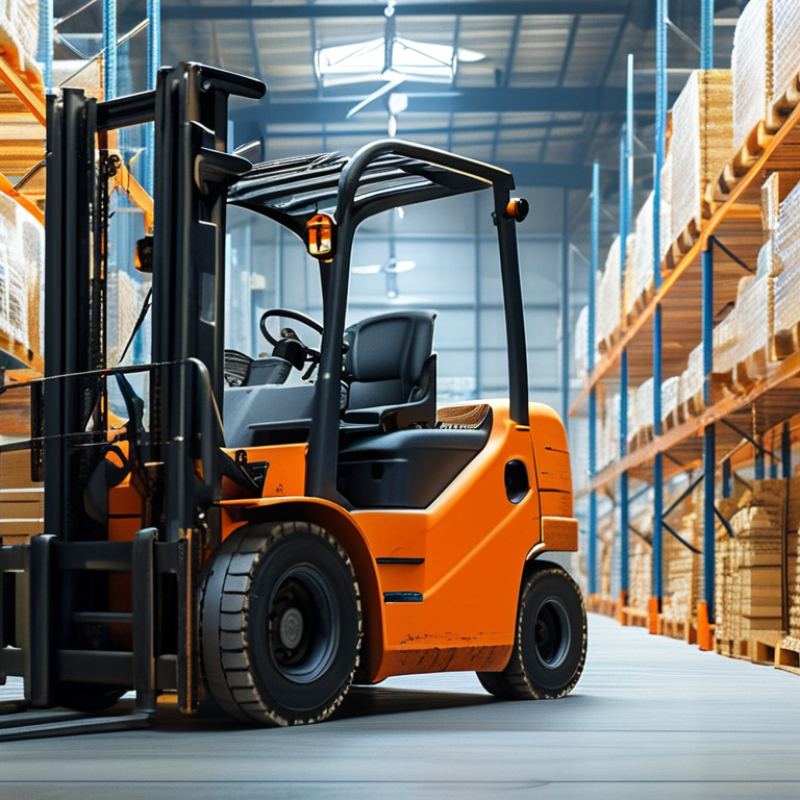
How to Prevent Forklift Damage to Warehouse Racking Systems?

Understanding the Causes of Forklift Damage to Racking Systems

Forklifts are essential in warehouses but can cause significant damage to racking systems. Understanding the common causes of such damage is vital for preventing costly repairs. One significant issue arises from operator error, which accounts for nearly 70% of incidents. A distracted or inexperienced operator may collide with racks, leading to structural compromise.


Imperfect environments also contribute to racking damage. For example, poorly organized aisles can increase the risk of collisions. According to industry studies, over 30% of warehouse injuries stem from inadequate spacing and visibility. Insufficient training further exacerbates the problem. Operators need to understand the dimensions of their equipment and the surrounding space. Regular training sessions can help bridge this knowledge gap.


In addition, wear and tear on equipment adds to the risk. Worn-out forks or faulty steering can lead to unpredictable movements. Implementing routine maintenance checks can mitigate this risk. Many companies overlook this crucial aspect, potentially leading to serious accidents. Racking systems are expensive; thus, awareness and proactive measures are keys to safeguarding them.

Implementing Safety Training for Forklift Operators

Implementing safety training for forklift operators is crucial in preventing damage to warehouse racking systems. A well-trained operator understands the limits of their equipment. They are aware of how load weight affects stability. This awareness significantly reduces the likelihood of accidents that can compromise racking integrity.

Regular training sessions should cover the importance of situational awareness. Operators often overlook their surroundings while focused on tasks. This can lead to collisions with racking systems. Interactive training methods, such as simulations, can enhance understanding and improve retention. Include real-life scenarios that highlight potential risks. Make training engaging to ensure participation and retention of critical safety information.

Evaluation should be a continuous process. Assessing skills through practical tests helps keep operators sharp. However, it’s also essential to encourage a culture of reflection. Operators should feel comfortable discussing near misses. This openness leads to shared learning experiences and prevents future accidents. A commitment to ongoing training fosters a safer work environment for everyone involved.

Designing Warehouse Layouts to Minimize Forklift Risks

Creating a thoughtful warehouse layout is essential for minimizing forklift damage to racking systems. A clear design helps enhance visibility and traffic flow. Racks should be placed away from common pathways. This reduces the likelihood of collisions. Using wider aisles can also improve maneuverability. Forklift operators need space to navigate without risk.

Integrating safety measures into the layout is crucial. Use high-visibility markings to designate paths. Clearly defined zones help operators stay focused. Consider the height of racking systems as well. Tall racks in narrow aisles can be a disaster waiting to happen. Regular assessments of traffic patterns can reveal potential hazards. These reflections might highlight areas needing improvement.

Adjusting layouts based on real-world experiences can create a safer environment. Gather feedback from forklift operators regularly. Their insights can shed light on unrecognized risks. Consider implementing movable barriers that allow dynamic adjustments. This flexibility can respond to changing inventory needs. While perfection may be unattainable, striving for continual improvement fosters a culture of safety.

Regular Maintenance and Inspection of Racking Systems

Regular maintenance is crucial for warehouse racking systems. It ensures safety and longevity. Regular checks help identify wear and tear before it escalates. Visual inspections should be conducted weekly. Look for signs of damage, such as bent beams or rust. Even small issues can lead to serious problems.

Documentation of findings is essential. Keep a log of inspections and repairs. This creates a reliable history of the racking system's condition. Engaging qualified personnel for more comprehensive inspections is important. They can identify hidden issues that untrained eyes might miss.

Additionally, training staff on safe forklift practices contributes significantly to prevention. Educated operators are more aware of their surroundings. They can maneuver equipment carefully around racking. For instance, installing mirrors can improve visibility in tight corners. Ultimately, prioritizing regular maintenance and staff training creates a safer environment.

How to Prevent Forklift Damage to Warehouse Racking Systems? - Regular Maintenance and Inspection of Racking Systems

Inspection Date Inspector Racking System Condition Recommendations Next Inspection Date
2023-01-15 John Doe Good No immediate action required 2023-04-15
2023-02-20 Jane Smith Fair Consider reinforcing support beams 2023-05-20
2023-03-10 Mike Johnson Poor Urgent repair needed 2023-03-25
2023-03-15 Alice Brown Good Routine check completed 2023-06-15

Utilizing Protective Equipment for Enhanced Racking Safety

Forklift damage to warehouse racking systems is a common issue that can lead to significant costs. Protective equipment plays a crucial role in enhancing racking safety. According to industry data, installing edge protectors can reduce damage incidents by up to 30%. These simple devices help shield vulnerable racking components from accidental collisions with forklifts.

Consider using column protectors. They absorb impacts and minimize potential injuries to both workers and the racking system. Reports suggest that facilities employing these protectors witnessed a 25% decline in operational disruptions. Additionally, installing rack guards can enhance overall warehouse safety. These guards defend against forklifts, preserving the integrity of the racking systems.

Tip: Regularly inspect protective equipment for wear and tear. Damaged equipment is less effective and could contribute to future damage. Train operators to navigate safely around racking systems. Even minor adjustments in driving habits can result in significant improvements in safety. Invest in quality equipment as a long-term solution to potential hazards.

FAQS

: Why is a clear warehouse layout important?

: It enhances visibility and traffic flow, reducing the chance of forklift collisions.

How can aisle width affect forklift safety?

Wider aisles improve maneuverability, allowing operators to navigate without risk.

What role do high-visibility markings play?

They designate paths and help operators stay focused while operating forklifts.

Why should racking systems be monitored regularly?

Regular maintenance identifies wear and tear early, preventing serious safety issues.

How often should visual inspections be conducted?

Weekly inspections are recommended to catch any signs of damage or rust.

What is a suggested way to gather feedback from operators?

Regularly ask operators about their experiences near racking systems and potential hazards.

Why is documentation of inspections necessary?

Keeping logs provides a reliable history of the racking system's condition over time.

How can staff training enhance forklift safety?

Educated operators are more aware and can maneuver equipment more carefully around racks.

What improvements can movable barriers provide?

They allow for dynamic adjustments based on changing inventory needs, increasing safety.

What might indicate a need for layout changes?

Regular assessments of traffic patterns can reveal unrecognized hazards needing improvement.

Conclusion

In addressing how to prevent warehouse racking forklift damage, it is essential to first understand the common causes of such incidents. Factors like operator error, improper training, and inadequate warehouse layouts can significantly contribute to racking system damage. Implementing robust safety training for forklift operators is crucial to ensure they are aware of best practices and potential hazards.

Additionally, designing warehouse layouts that minimize forklift risks through clear pathways and appropriate space can further protect racking systems. Regular maintenance and inspection of racking structures are critical to identify wear and tear early on, preventing accidents. Lastly, utilizing protective equipment, such as cushioning guards and barriers, enhances racking safety and mitigates the impact caused by forklifts. Through these combined strategies, warehouses can effectively reduce the risk of damage caused by forklifts, ensuring a safer working environment.

Charlotte

Charlotte

Charlotte is a seasoned marketing professional with a deep understanding of the company's portfolio and a passion for elevating its presence in the market. With a keen eye for detail and a commitment to excellence, she ensures that our professional blog is regularly updated with insightful articles......