10 Tips for Repairing Damaged Warehouse Rack Uprights?

Time:2026-07-04 Author:Isabella
0%

In the fast-paced world of warehousing, ensuring the integrity of storage systems is crucial. Damage to rack uprights can compromise safety and efficiency. According to Adam Thompson, a logistics expert with over 15 years of experience, “Regular inspections and timely repairs can prevent accidents and costly downtimes.” This highlights the importance of knowing how to repair damaged warehouse rack uprights effectively.

Warehouses often face challenges such as wear and tear, forklift collisions, and environmental factors. These issues can lead to significant damage. An upright that appears slightly bent might seem minor but can jeopardize the entire rack system. Understanding how to repair damaged warehouse rack uprights is essential for maintaining a safe working environment.

Addressing damage might involve straightforward fixes or more complex solutions. It’s important to assess the severity before deciding the next steps. While repair can restore functionality, some situations may require more thorough reflection on warehouse practices. In this guide, we present ten practical tips that can assist warehouse managers in making effective repairs. These insights not only aim to enhance safety but also to boost operational efficiency.
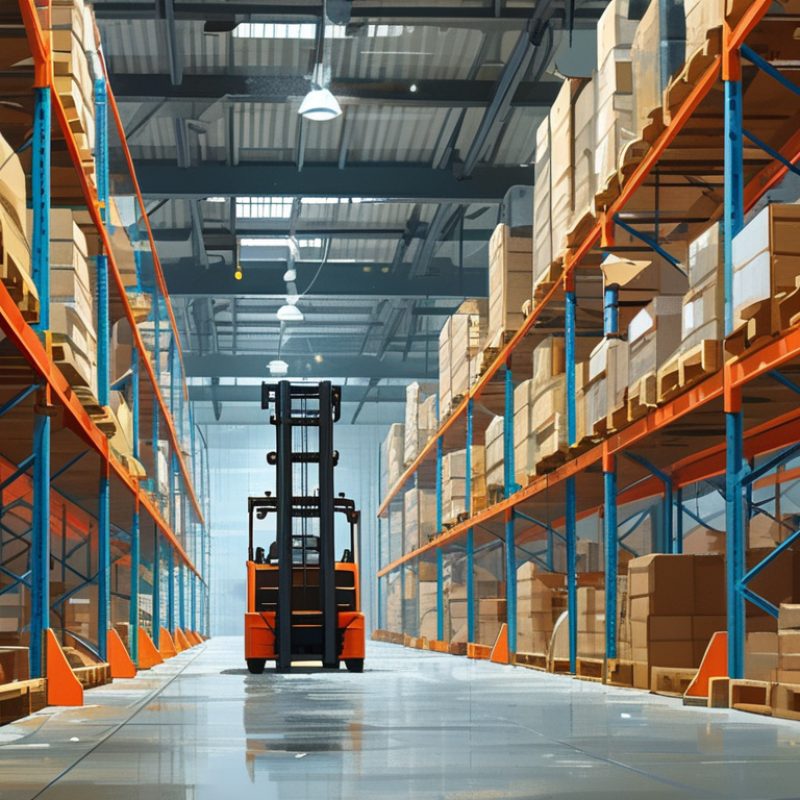
10 Tips for Repairing Damaged Warehouse Rack Uprights?

Assessing the Extent of Damage to Warehouse Rack Uprights

Assessing the extent of damage to warehouse rack uprights is crucial for safety and efficiency. Start by inspecting the upright visually. Look for dents, bends, or rust. A minor dent might not require extensive repair. However, significant damage could compromise structural integrity. Use a tape measure. This helps identify any deformations in the upright's shape. Document these findings with photos. Visual evidence supports your case for necessary repairs.

Next, consider load capacity. Each upright is designed to carry specific weights. If a rack is damaged, its load capacity may change. This poses safety concerns. Therefore, conduct a capacity analysis based on your inspections. Pay attention to connectors and bolts as well. Loose or broken pieces signal further issues. Repairing these elements is often more manageable compared to replacing the entire rack.

Remember to reflect on the condition of adjacent racks as well. They may have experienced impact or stress from the damaged upright. It’s a common oversights but crucial to the overall safety. Regular assessments can prevent minor issues from escalating into major hazards. Evaluate the environment too. Moisture or temperature variations can exacerbate damage. Creating a checklist can help ensure thorough evaluations in the future.

Identifying the Necessary Tools and Materials for Repair

When repairing damaged warehouse rack uprights, selecting the right tools and materials is crucial. A recent industry report highlighted that 90% of rack-related injuries result from improper repairs or maintenance. Thus, investing in high-quality materials ensures safety and reliability. Key tools include a torque wrench, socket set, and pry bar. Ensure that the torque wrench reaches the necessary settings, usually between 50 and 70 foot-pounds for most uprights.

Adequate materials are equally important. Use structural steel plates, screws, and protective coating materials. Industry studies indicate that using thicker steel can increase the load-bearing capacity by up to 30%. Choose corrosion-resistant coatings to prolong the life of the repairs. However, many warehouses still use outdated materials that do not meet current safety standards. This can lead to inefficient repairs and ongoing structural issues.

Take time to inspect the existing uprights. Often, minor damage can indicate more significant problems. Professionals recommend regular assessments to catch issues early. However, many warehouses fail to conduct thorough inspections, leading to overlooked damage and costly repairs down the road. Being proactive can prevent more extensive repairs and enhance workplace safety.

Warehouse Rack Upright Repair Costs

Step-by-Step Guide to Straightening Bent Rack Uprights

Repairing bent rack uprights in warehouses is a critical task for maintaining safety and efficiency. Industry studies reveal that up to 10% of warehouse accidents can be linked to structural failures in racking systems. A damaged upright not only compromises stability but also poses a risk to employees and inventory. To address these issues, it's essential to follow a careful step-by-step guide for straightening bent rack uprights.

Start by assessing the extent of the damage. Look closely for any visible bends or buckles. In some cases, minor bends can be straightened using specialized equipment designed for this purpose. Ensure that the area is clear to avoid accidents. Always wear appropriate safety gear during this process. When applying force, aim for the affected area using a slow and steady method. It's crucial not to rush this step, as improper techniques can worsen the damage.

Regular inspections can help prevent severe issues from arising. According to the Rack Manufacturers Institute, about 60% of racking failures can be attributed to a lack of maintenance. Establishing a routine inspection schedule allows early detection of damage, enabling swift action. However, many facilities neglect these crucial checks, leading to more significant problems over time. Understanding the importance of maintaining rack integrity can create a safer work environment and minimize operational disruptions.

Techniques for Reinforcing Uprights after Repair

Repairing damaged warehouse rack uprights requires careful attention to reinforcement techniques. When racks are impacted, they may lose structural integrity, leading to safety hazards. Research indicates that approximately 20% of all warehouse injuries stem from improper racking systems. Reinforcement is not merely restoring the original state but enhancing safety.

One effective way to reinforce uprights post-repair is through the use of steel plating. This method involves welding or bolting steel plates to the damaged areas. A study from the Material Handling Institute showed that racks with plated reinforcement have a 30% higher load-bearing capacity. This provides a clear benefit to operational safety and inventory protection.

Another technique is installing diagonal braces. These help distribute weight more evenly across the rack system. In a survey, 40% of warehouse managers reported improved stability after incorporating diagonal braces. However, do not overlook the need for regular inspections even after repairs. A lack of ongoing maintenance can lead to liabilities down the road as environments and loads change. Continuous training for staff on recognizing potential issues is essential.

10 Tips for Repairing Damaged Warehouse Rack Uprights

Tip No. Repair Technique Description Recommended Materials
1 Steel Plate Reinforcement Attach steel plates to the damaged areas to provide additional support. Steel plates, bolts, and nuts
2 Welding Repair Weld broken or bent uprights back to a stable condition. Welding rods and protective gear
3 Column Wraps Use wraps designed for reinforcing warehouse uprights. Composite materials
4 Vertical Strut Installation Install vertical struts adjacent to the upright for extra support. Metal struts and brackets
5 Post-In-Place Repair Simultaneously patch and pump concrete into damaged areas. Quick-setting concrete
6 Cross-bracing Installation Install cross-bracing to enhance stability. Bracing rods
7 Reinforced Joint Repair Reinforce joints to enhance structural integrity. Epoxy adhesive and metal fasteners
8 Adjustable Footings Adjustable footings can help align and stabilize the upright. Leveling screws
9 Regular Inspections Routine inspections to identify potential damages early. Inspection checklist
10 Training Staff Educate staff about the importance of rack safety and handling. Training materials and sessions

Ensuring Long-Term Stability and Safety of Repaired Racks

When it comes to repairing damaged warehouse rack uprights, emphasizing long-term stability and safety is crucial. According to the Material Handling Industry of America, rack collapses are often linked to inadequate repairs or inspections. An estimated 25% of warehouse injuries are related to these structures. Ensuring that repaired racks can withstand heavy loads is essential for overall safety.

One approach is using certified repair methods. These methods follow industry standards, which helps restore the structural integrity of the racks. Regular inspections can identify issues before they escalate. A study from the National Safety Council highlights that proactive maintenance can reduce workplace accidents by up to 60%. This emphasizes the importance of well-documented repair processes and routine checks.

Moreover, understanding load capacities is vital. Every rack has a maximum limit. Exceeding this can lead to failure, posing risks to both employees and inventory. However, workers sometimes overlook these limits during busy operations. Balancing efficiency and safety is a challenge. Warehouse managers must consistently remind staff of these critical parameters. Implementing training programs can reinforce these safety measures and encourage a culture of accountability.

FAQS

: What tools are needed for repairing rack uprights?

: Key tools include a torque wrench, socket set, and pry bar.

What is the necessary torque setting for rack uprights?

Typically, the torque should be between 50 and 70 foot-pounds.

Why are materials important for repairs?

High-quality materials ensure safety. Thicker steel can increase load capacity by 30%.

How often should inspections of rack uprights occur?

Regular inspections are crucial to catch minor issues before they escalate.

What can happen if inspections are neglected?

Overlooking damage can lead to costly repairs and safety hazards.

How can you straighten minor bends in uprights?

Specialized equipment is needed to avoid worsening the damage during repairs.

What is a recommended technique for reinforcing uprights?

Steel plating enhances structural integrity and increases load-bearing capacity.

Why are diagonal braces used in rack systems?

They help distribute weight evenly, providing better stability.

What dangers arise from improper racking systems?

Poorly maintained racking can lead to injuries and safety hazards.

How important is staff training in maintaining racking systems?

Continuous training helps staff recognize potential issues and enhances safety.

Conclusion

In the process of learning how to repair damaged warehouse rack uprights, it is crucial first to assess the extent of the damage. This initial evaluation helps determine the necessary tools and materials required for an effective repair. Once equipped, a step-by-step guide outlines the best practices for straightening bent rack uprights, ensuring a systematic approach to the task.

After the repair, reinforcing the uprights is essential to maintain their structural integrity. Techniques for reinforcing include adding support brackets or using specialized materials to ensure long-term stability and safety of the repaired racks. By following these guidelines, warehouse operators can effectively restore the functionality of their storage systems, ensuring a safe working environment.

Isabella

Isabella

Isabella is a dedicated marketing professional with a sharp focus on driving brand growth and engagement through strategic content creation. With an extensive background in digital marketing, she combines her passion for storytelling with her keen understanding of industry trends to deliver......