When managing warehouse safety, one critical question arises: how often should warehouse racks be safety inspected? According to John Smith, an industry expert with over 20 years of experience, "Regular inspections are key to preventing accidents." His insights reflect a reality many warehouse operators face.
Inspecting warehouse racks is not just a formality; it’s a necessity. A thorough inspection can identify potential hazards before they lead to serious incidents. The frequency of these inspections can vary, influenced by factors like the volume of use and the type of product stored. For instance, high-traffic areas may require more frequent scrutiny.
While some managers might feel overwhelmed by the inspection process, remembering that safety is paramount can guide their decisions. Skipping inspections or delaying them can lead to costly mistakes. Finding a balance between inspection frequency and operational workflow is essential. It’s not just about compliance; it’s about creating a safe working environment for everyone involved.
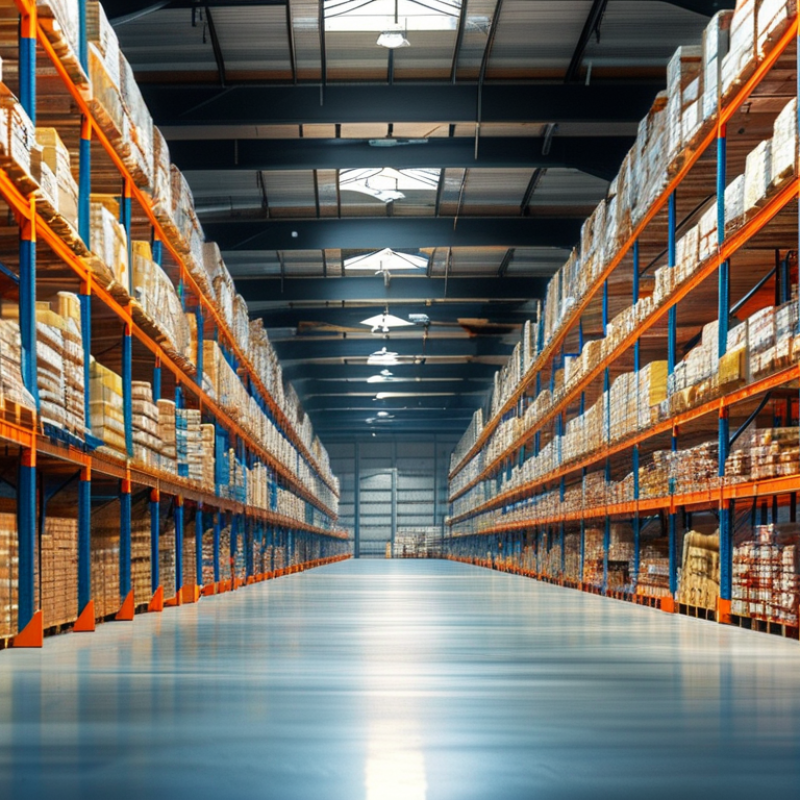
Inspecting warehouse racks regularly is essential for safety and efficiency. Research indicates that nearly 1 in 5 facility accidents result from rack failures. This statistic highlights the risk involved when inspections are neglected. Regular checks help identify wear and structural damage early, preventing accidents and improving overall safety.
A study by the Occupational Safety and Health Administration (OSHA) reveals that approximately 70% of warehouse injuries stem from improper storage or faulty racking systems. Ensuring proper maintenance and inspection protocols can significantly reduce these risks. Additionally, the National Institute for Occupational Safety and Health (NIOSH) recommends frequent visual inspections to catch small issues before they escalate.
While it may seem sufficient to inspect racks monthly, a staggering 30% of companies reported that their inspection frequency is inadequate. This raises concerns about hidden risks in warehouses. Employees need to be vigilant and proactive. A risk-based approach to inspections can ensure that high-traffic areas receive closer attention, thus maintaining safety standards in the workplace.
When determining how often to inspect warehouse racks, consider the type of racks in use and their specific loading patterns. For example, heavy-duty racks that hold substantial weight may require more frequent inspections compared to lighter-duty systems. It’s essential to assess wear and tear. Regular checks can reveal hidden damages which could lead to safety hazards.
Usage patterns also play a crucial role. Racks that experience frequent loading and unloading may degrade faster. An inspection every six months might suffice for stationary racks, but high-turnover areas may need monthly evaluations. Noticing changes over time is critical. Small issues can escalate if ignored, leading to larger problems later.
Understanding the environment is key as well. Humidity and temperature fluctuations can affect rack integrity. If your warehouse is in a challenging climate, tighten your inspection frequency. Always document findings during inspections. This data helps spot trends over time, reinforcing a proactive approach to warehouse safety. Don’t underestimate the importance of regular checks; they are essential for maintaining safety and efficiency.
Inspecting warehouse racks is crucial for maintaining safety and efficiency. Regular checks help identify signs of wear and damage. Look for bent or cracked beams. These issues may compromise the integrity of the shelf. A quick visual inspection can often reveal major problems. Ensure that load limits are adhered to, as overloaded racks can lead to failures.
Another sign of trouble is excessive rust or corrosion. This damage may weaken the structure. Inspect for loose bolts or missing components, which can indicate wear over time. Be vigilant for any instability when racks are loaded. Any wobbling or swaying should raise immediate concerns.
Regular training for staff on these signs is beneficial. Encourage a culture of safety through awareness. Document all inspections and repairs to track the history. This practice fosters accountability and continuous improvement. Prevention is always better than dealing with an accident afterward. Be proactive in maintaining warehouse racks to ensure a safe working environment.
Regular inspections of warehouse racks are crucial for safety and efficiency. According to the Rack Manufacturers Institute, approximately 90% of warehouse injuries stem from poorly maintained racking systems. Establishing a regular inspection schedule is an effective way to mitigate risks. Conducting inspections monthly or even bi-weekly is advisable, depending on the warehouse's size and activity level. This proactive approach ensures any issues, like bent beams or unstable loads, are identified early.
Incorporating technology can enhance inspection practices. Utilizing mobile apps can streamline reporting and tracking of rack conditions. A survey from the Material Handling Industry reported that warehouses using tech-driven inspections saw a 30% reduction in rack-related incidents. It's critical to train staff on inspection protocols as well. Engaging employees in the process fosters a culture of safety. However, even with these measures, some facilities struggle to maintain compliance with inspection frequencies. This inconsistency can lead to oversights that may compromise safety and efficiency. Regular audits of your inspection process can help identify gaps.
| Inspection Frequency | Purpose of Inspection | Key Areas to Check | Recommended Action |
|---|---|---|---|
| Monthly | General safety and wear | Structural integrity, bolt tightness | Correct any loose fittings |
| Quarterly | Detailed functionality check | Rack stability, alignment | Re-align racks if necessary |
| Annually | Compliance and thorough review | Load capacity ratings, overall condition | Perform necessary upgrades |
| After Accidents | Damage assessment | Visible damage, structural issues | Immediate repairs or replacement |
| As Needed | Unusual wear or changes | Signs of corrosion, warping | Address issues immediately |
Warehouse safety relies heavily on thorough inspections. Documenting your findings during these inspections is vital for compliance and safety audits. According to the Occupational Safety and Health Administration (OSHA), over 100,000 workplace injuries occur each year due to improper equipment maintenance. Warehouse racks require regular checks to identify damage or wear. This not only protects workers but also helps maintain compliance with industry standards.
Tip one: Inspect racks weekly, focusing on structural integrity. Look for bent beams or cracked supports. Record any findings in a maintenance log. This practice aids in tracking issues over time. Research shows that warehouses with routine checks reduce incidents by up to 30%.
Tip two: Train staff on inspection procedures. It’s crucial that employees understand what to look for during inspections. Having a checklist can streamline this process. An effective training program can lead to better compliance outcomes. According to industry reports, improper training contributes to 40% of warehouse accidents.
Finally, documentation should be clear. Audit findings must be accessible for review. Regular updates can prevent miscommunication. Inadequate records may lead to regulatory penalties. A diligent approach to documentation fosters a culture of safety.
: Regular inspections identify wear and structural damage early, preventing accidents and enhancing safety.
Inspections should be monthly or bi-weekly, depending on warehouse size and activity levels.
About 70% of warehouse injuries can be attributed to these issues, according to research.
Mobile apps can streamline reporting and tracking, leading to a 30% reduction in rack-related incidents.
Training should cover procedures, using checklists, and identifying structural issues during inspections.
Conduct regular audits to identify gaps and inconsistencies in your inspection process.
It ensures compliance with industry standards and helps track issues over time to prevent workplace injuries.
Look for bent beams, cracked supports, or unstable loads during regular inspections.
Poor documentation can lead to regulatory penalties and increased risks during audits.
Engaging employees in the inspection process helps maintain safety standards and reduces accident rates.
Regular inspection of warehouse racks is crucial for maintaining safety and compliance in any warehouse environment. Understanding the importance of these inspections helps to prevent accidents and ensure that the racks are functioning properly. To determine how often warehouse racks should be safety inspected, factors such as rack type, usage, and load capacity should be considered.
Establishing a routine inspection schedule based on best practices enables warehouse managers to identify common signs of wear and damage. Additionally, documenting inspection findings is essential for compliance and safety audits, ensuring that any issues are addressed promptly. By prioritizing these inspections, warehouses can enhance safety and operational efficiency.
LogiSteel Racking