Why Are Warehouse Racks Bolted to the Floor for Safety?

Time:2026-06-27 Author:Amelia
0%

In the logistics and warehousing industry, safety is paramount. One critical aspect of ensuring this safety is addressed through the question, "why are warehouse racks bolted to the floor?" According to a recent report by the Occupational Safety and Health Administration (OSHA), improperly secured racks can lead to numerous injuries each year. Industry expert Dr. Lucas Shaw emphasizes, “Securing racks is not just about keeping inventory safe; it’s about protecting lives.”

Bolting racks to the floor enhances stability and minimizes the risk of tipping during heavy use or seismic events. In fact, a study by the Warehousing Education and Research Council found that unanchored racks were responsible for over 40% of warehouse accidents. This statistic highlights a pressing need for better safety measures in warehousing environments.

However, not all warehouses adopt these practices. Some decision-makers overlook the importance of bolting due to budget constraints or a lack of awareness. This neglect can lead to serious consequences, emphasizing the need for ongoing education and improved safety protocols within the industry. Understanding "why are warehouse racks bolted to the floor" is essential for creating a safer working environment.
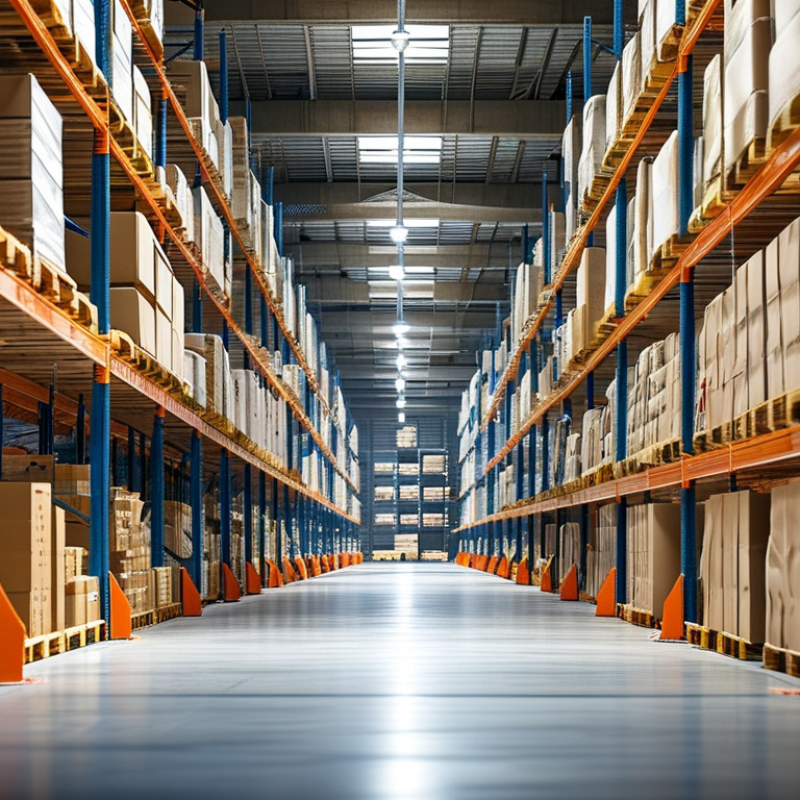
Why Are Warehouse Racks Bolted to the Floor for Safety?

The Purpose of Bolting Warehouse Racks to the Floor

Bolting warehouse racks to the floor serves a crucial safety purpose. When racks are secured, they withstand heavy loads and resist tipping during seismic events. According to the Occupational Safety and Health Administration (OSHA), unanchored racks can pose significant hazards, particularly in regions prone to earthquakes. The risk of injury or damage increases without proper anchoring.


It is essential to consider weight distribution on racks. Uneven loads can lead to instability. A report by the National Institute of Standards and Technology (NIST) highlights that proper installation reduces accidents by at least 25%. This statistic underscores the importance of using secure anchoring methods to avoid potential disasters.


Employee safety is also a valid concern. Workers may be exposed to dangers if racks sway or collapse. An investment in proper anchoring not only protects people but also prevents product damage. Nevertheless, inadequately installed or maintained racks could still pose risks. Continuous evaluation of the anchoring process is necessary to ensure ongoing safety.

Understanding Warehouse Safety Regulations and Standards

In warehouse operations, safety is paramount. That's why understanding safety regulations is crucial. Regulations dictate how warehouse racking systems should be installed. They require that racks are secured to the floor to prevent tipping during operations. This bolting helps ensure stability, especially in high-traffic areas.

Many warehouses overlook these requirements. Some may not realize the potential dangers of unsecured racks. Inadequate safety measures can lead to costly injuries. Employees may face hazards from falling items. It is important for warehouse managers to routinely assess their safety measures. Regular checks can reveal weaknesses in racking or inadequate bolting practices.

Investing in safety training is vital. Employees should understand why these standards exist. Awareness encourages a culture of safety. It empowers workers to report potential issues. Rethinking existing practices can significantly enhance safety. Ultimately, a compliant and well-maintained racking system is essential for a safe working environment.

Factors Influencing Warehouse Rack Stability

Warehouse rack stability is crucial for safety. Several factors influence this stability, including weight distribution, rack configuration, and the type of materials stored. A study by the American Society of Safety Engineers found that nearly 28% of warehouse injuries are related to improper rack setup or maintenance. These statistics highlight the need for proper bolting practices.

When racks are bolted to the floor, they gain increased resistance to tipping. The bolting process reduces movement during loading and unloading. A well-designed rack can withstand loads up to 3,000 pounds per beam section. However, if not securely anchored, these racks might fail under stress. Thus, maintaining stability is a shared responsibility among operators and safety professionals.

The floor's condition is also critical. A concrete slab must be level and uncracked. If a rack is bolted to an unstable surface, it can still present risks. Regular inspections are essential to ensure bolt integrity and rack condition. A report from the Warehouse Safety Council indicated that routine checks could reduce accidents by 40%. Addressing these factors can lead to a safer warehouse environment.

Common Risks Associated with Unsecured Racks

In warehouses, unsecured racks pose significant safety risks. A report from the National Institute for Occupational Safety and Health (NIOSH) reveals that over 10,000 injuries occur annually due to collapses and tipping hazards. When racks are not bolted to the floor, they are at a greater risk. Heavy loads can cause them to sway, leading to potential disasters.

Unsecured racks can dramatically affect productivity. Workers might spend valuable time avoiding unstable areas. This distraction can lead to errors, increasing the likelihood of accidents. In an environment where every second counts, this can be costly. According to the Occupational Safety and Health Administration (OSHA), organizations that prioritize safety can reduce incident rates by up to 40%.

Moreover, many warehouse managers overlook proper rack maintenance. Inspections often reveal weakened structural integrity or incorrect load limits. Such oversights can spiral into serious consequences, including injuries and financial loss. Maintaining a secure environment is not just about compliance; it's about ensuring the wellbeing of all employees. Investing in bolting racks to the floor can enhance safety and encourage a culture of accountability.

Best Practices for Securing Warehouse Racks to Prevent Accidents

Securing warehouse racks is essential for safety and efficiency. Bolting racks to the floor prevents tipping and falling hazards. When racks are anchored, they withstand heavy loads and minimize the risk of injuries. This practice is especially crucial in high-traffic environments where workers and equipment frequently move around.

Regular inspections are vital to identify any loose bolts or structural weaknesses. Staff should receive training on proper loading techniques. Employees must know how to distribute weight evenly across shelves to enhance stability. Additionally, installing rack guards or netting can provide an extra layer of protection. These measures highlight the importance of not just securing racks, but continually assessing their condition.

However, it's important to reflect on the challenges that arise. Some might overlook maintenance, leading to potential safety hazards. Ensuring that safety protocols are followed consistently can be difficult in busy warehouses. Implementing a culture of safety requires ongoing education and commitment from all team members. Ultimately, securing racks is a critical step in preventing accidents and creating a safer work environment.

FAQS

: Why is warehouse rack stability important?

: Stability ensures safety and prevents injuries. It affects how products are stored and handled.

What factors influence rack stability?

Key factors include weight distribution, rack configuration, and the materials stored.

How does bolting racks to the floor help?

Bolting increases resistance to tipping and reduces movement during operations.

What is the risk of unsecured racks?

Unsecured racks may fail under stress, leading to accidents and injuries.

What role does floor condition play?

A level and uncracked floor is crucial to avoid risks associated with unstable surfaces.

How often should racks be inspected?

Regular inspections are essential, ideally checking for loose bolts and structural integrity.

What should staff be trained on?

Training should focus on loading techniques and proper weight distribution across shelves.

Why is maintenance sometimes overlooked?

In busy environments, maintenance might be neglected, which can lead to safety hazards.

How can safety culture be improved?

Ongoing education and commitment from all team members are necessary for safety.

What additional safety measures can be taken?

Installing rack guards or netting provides extra protection against falling items.

Conclusion

Bolting warehouse racks to the floor is a critical safety measure aimed at preventing accidents and ensuring stability within storage environments. Understanding the purpose behind this practice helps to comply with safety regulations and standards that govern warehouse operations. Factors such as load capacity, rack design, and the overall layout of the warehouse significantly influence rack stability, making it essential to adhere to best practices for securing these structures.

Common risks associated with unsecured racks include tipping hazards and potential injuries, which can arise from improper loading or unforeseen disturbances. By implementing effective securing methods, warehouses can minimize these risks and create a safer working atmosphere. Ultimately, the question of "why are warehouse racks bolted to the floor" highlights the importance of safety and stability, safeguarding both personnel and inventory.

Amelia

Amelia

Amelia is a seasoned marketing professional with a wealth of expertise in our company’s core offerings. With an unwavering passion for driving growth and innovation, she plays a pivotal role in shaping our marketing strategies and enhancing brand visibility. A key aspect of her responsibilities......