Warehouse racking systems play a crucial role in the efficiency of operations. Despite their significance, failures do occur. Understanding "why do warehouse racks collapse under load" is essential for safety and productivity. Dr. James Larson, a leading expert in warehouse safety, once noted, "Many collapses happen due to overlooked design flaws." His observation highlights the complexity of warehouse systems.
Improper load distribution remains a common cause of rack failures. Pallets stacked haphazardly can lead to instability. Additionally, factors such as deterioration of materials and excessive weight contribute to these incidents. A recent warehouse accident revealed that even minor adjustments can have catastrophic effects.
Regular inspections and adherence to load limits can prevent many of these issues. Yet, many facilities still neglect these protocols. This is a critical area for reflection in the industry. Ensuring robust training for warehouse staff is paramount. Addressing the reasons behind collapses is not just about compliance; it’s about fostering a culture of safety and awareness.
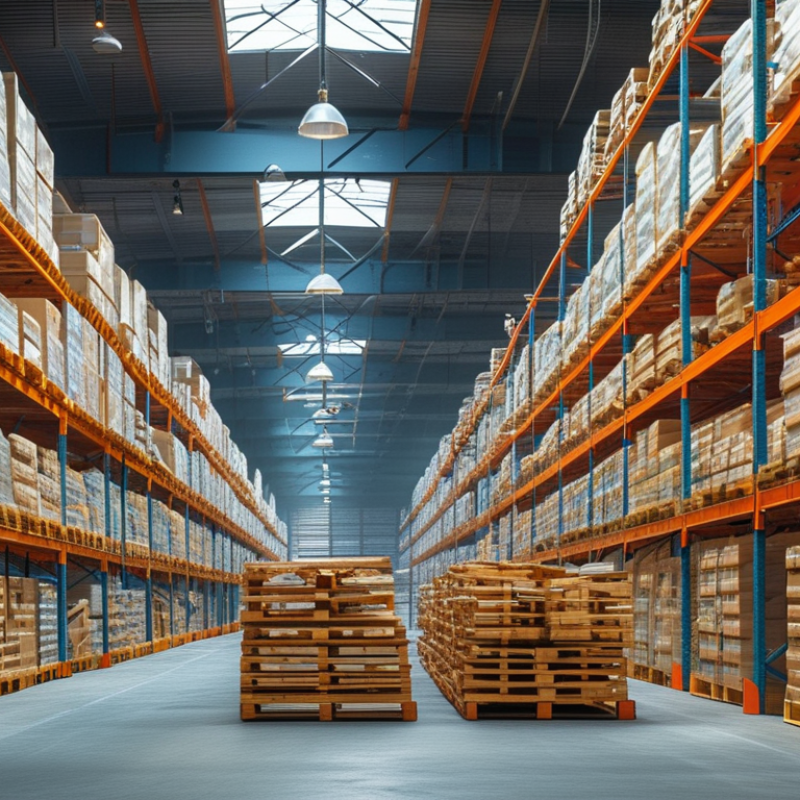
Warehouse racks play a critical role in modern storage solutions. Understanding their structure and functionality is essential for ensuring safety and efficiency. Typically, racks are composed of vertical and horizontal beams that bear heavy loads. When designed properly, they can support thousands of pounds. According to the Rack Manufacturer’s Institute, properly maintained racks can handle up to 4,000 pounds per shelf.
Despite their robustness, potential risks exist. The National Fire Protection Association reports that more than 20% of warehouse accidents are related to rack collapses. These incidents often arise from improper loading practices or structural weaknesses. It's crucial to regularly inspect racks for signs of wear or damage. Small fissures or bent beams can compromise stability. Yet, some facilities neglect these checks.
Additionally, training employees on proper loading techniques can prevent mishaps. Employees should be aware of the load capacity for each shelf. Overloading can lead to catastrophic failures. Tightened safety protocols can help avert risks. However, many warehouses still lack these essential training programs, revealing a need for further reflection on operational standards. Addressing these issues can significantly improve safety and reliability in warehouse environments.
Warehouse racks are vital for organizing inventory. However, they can collapse for several reasons. One common cause is improper loading. If too much weight is placed on a rack, it can lead to structural failure. Maintaining proper weight limits is crucial. Regular training for warehouse staff helps minimize this risk.
Poor maintenance also plays a significant role in rack collapse. Inspecting racks regularly can identify wear and tear. A small crack can turn into a big problem. Some warehouses neglect maintenance due to time constraints. This oversight can be costly and dangerous.
Inadequate design adds to the risk as well. Not all racks are designed to handle heavy loads. Each rack should be suitable for its specific use. Warehouses should assess their storage needs carefully. This takes knowledge and careful planning to avoid failures. Awareness of these issues may help reduce accidents and improve safety in storage areas.
| Cause of Collapse | Description | Preventive Measures |
|---|---|---|
| Overloading | Exceeding weight limits specified for the racks. | Regularly check load capacities and use weight indicators. |
| Improper Installation | Racks not installed per manufacturer guidelines. | Follow installation instructions closely and perform audits. |
| Rust and Corrosion | Deterioration of metal components due to moisture. | Implement humidity control and regular inspections. |
| Impact Damage | Damage from forklifts or other equipment. | Utilize safety barriers and train operators. |
| Lack of Inspection | Failure to regularly assess rack integrity. | Establish routine inspection schedules and checklists. |
| Design Flaws | Inadequate design that does not support intended loads. | Consult a structural engineer during design phases. |
When it comes to warehouse racks, load capacity is crucial. Each rack system has a specific weight limit, which is determined by its design and materials. Exceeding this limit can lead to catastrophic failures. Even a small overestimation of weight can trigger a collapse.
Understanding the weight distribution is essential. Properly loading racks helps maintain balance. Unevenly distributed loads increase the risk of instability. Many accidents stem from not following load guidelines. Staff must be trained to recognize these risks. Awareness is key in preventing accidents and ensuring safety.
Regular inspections can help identify weaknesses. Visually checking for signs of wear or damage is vital. Records of load history should be maintained meticulously. Ignoring the condition of racks can lead to serious consequences. It is always better to err on the side of caution.
This chart illustrates the load capacities of various warehouse rack types. Understanding the load limits is essential for maintaining rack stability and ensuring safety in warehouse operations.
Properly managing warehouse rack systems is crucial. A 2021 report by the Material Handling Industry of America highlighted that nearly 30% of warehouse accidents involve rack collapses. Such incidents can lead to significant injuries and financial losses. To mitigate these risks, first, conduct regular inspections. Check for signs of wear or damage at least once a month. Small issues can escalate if left unattended.
Training employees is vital. Ensure that all personnel understands safe loading practices. According to the Occupational Safety and Health Administration, 40% of rack collapses result from improper loading techniques. Properly distributed weight is essential. Employees must be aware of the load limits of each rack. Provide visual cues and training sessions.
Investing in safety equipment also plays a key role. Safety nets, protective barriers, and beam supports can significantly reduce risks. A report from the American Society of Safety Professionals mentioned a 50% decrease in incidents when safety features were implemented. Additionally, always enlist professional assessment services for structural integrity evaluations. Addressing potential weak points proactively can save time, money, and lives.
Warehouse safety is crucial. Regulations and standards guide the use of racks. Improper use can lead to collapses. This is not just a theoretical issue. It has real-world consequences, including injuries and financial losses.
Regulatory bodies set stringent guidelines for rack systems. These guidelines focus on load limits and proper design. Each rack should undergo regular inspections. Many warehouses overlook this critical step. They assume their systems are safe without regular checks.
Training is another vital aspect. Workers must understand how to load racks safely. Clear training programs can prevent accidents. However, many facilities neglect ongoing education. Without it, workers are left vulnerable. Awareness of risks and standards can significantly reduce incidents. It's a shared responsibility that requires commitment at every level.
: Improper loading is a common cause. Excess weight can lead to structural failure.
Poor maintenance can result in unnoticed wear and tear. Small cracks may escalate into major issues.
Inspecting racks monthly is recommended. Regular checks help identify potential problems early.
Training helps employees understand safe loading practices. Properly distributed weight can prevent 40% of rack collapses.
Investing in safety nets and protective barriers is crucial. These features can significantly reduce risks.
Yes, regulatory guidelines set load limits and inspection protocols. Ignoring them can lead to accidents and injuries.
Regular, clear training programs can boost awareness. Ongoing education is often neglected yet vital.
Neglecting maintenance can be costly. Increased risks can lead to serious accidents over time.
Yes, inadequate design can increase collapse risks. Racks must be suitable for specific storage needs.
Addressing weak points proactively can save time and lives. Professional assessments are recommended.
Warehouse racks play a crucial role in efficient storage and organization within distribution centers, but understanding why do warehouse racks collapse under load is essential for safety and operational efficiency. Common causes of rack collapse include improper installation, overloading, and lack of regular maintenance. Each of these factors compromises the structural integrity of the racking system, leading to potential hazards.
To ensure stability and minimize risks, it is vital to adhere to load capacity guidelines and implement preventative measures, such as regular inspections and employee training. Additionally, compliance with industry regulations and standards is necessary to promote safe practices in warehouse environments. By addressing these factors, warehouses can significantly reduce the likelihood of rack collapses and enhance overall safety.

LogiSteel Racking