Why Choose Drive In Racking Over Standard Selective Racks?

Time:2026-07-29 Author:Madeline
0%

In the competitive world of warehousing and logistics, the choice of racking systems can make a significant difference. Industry expert John Smith, a senior consultant at Warehouse Solutions, states, "Drive-in racking offers efficiency that standard selective racks can't match." This statement invites us to explore why choose drive-in racking over standard selective racks.

Drive-in racking systems allow for higher density storage. They utilize space more effectively than standard racks. With fewer aisles, warehouses can store more products in the same footprint. This means maximizing vertical space without sacrificing accessibility. Drive-in racks can accommodate a wider variety of load sizes, enhancing storage flexibility.

However, it's essential to consider that drive-in systems may involve a steeper initial investment. While the long-term benefits are evident, businesses should evaluate their specific needs. The choice ultimately hinges on factors such as inventory turnover rate and storage capacity. Assessing these elements ensures that companies make informed decisions about their racking systems. Understanding why choose drive-in racking over standard selective racks can lead to a strategic advantage in operations.
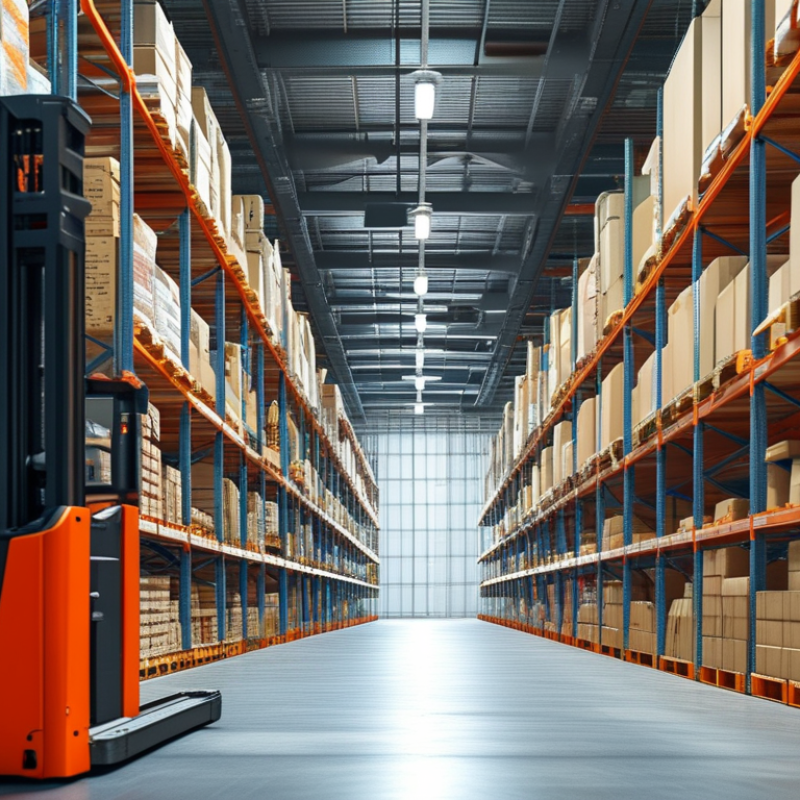
Why Choose Drive In Racking Over Standard Selective Racks?

Advantages of Drive In Racking Compared to Standard Selective Racks

Drive-in racking offers several benefits over standard selective racks. This unique system maximizes storage density by allowing pallets to be stored in long rows. It is particularly effective in warehouses where space is limited. Drive-in racks enable multiple pallets to be accessed simultaneously, which speeds up inventory management and order fulfillment.

One notable aspect of drive-in racking is its suitability for high-density storage. This system supports First-In-Last-Out (FILO) inventory flow, making it ideal for bulk storage of similar items. Since pallets are stored back-to-back, the space utilization improves significantly.

However, this design may lead to difficulties in accessing older stock. Proper inventory management practices are crucial to mitigate such challenges.

Tip: Regularly assess your inventory levels to avoid stockpiling. Ensure that your staff is trained to operate the system efficiently. Also, consider using a warehouse management system for better tracking.

Another advantage is the cost-effective nature of drive-in racking. While the initial setup might be higher, the long-term benefits outweigh the costs. This system reduces the need for multiple aisles, thus saving valuable floor space. However, if not well-maintained, it can pose safety risks. Regular inspections and safety training for operators are essential.

Tip: Conduct regular safety audits to identify potential risks. Encourage your team to voice concerns they may have regarding the racking system. Keeping communication open can lead to improvements and safer operations.

Space Optimization: How Drive In Racking Maximizes Storage Capacity

Drive-in racking systems have gained popularity for their ability to maximize storage capacity. Unlike standard selective racks, which allow access to individual pallets, drive-in racks enable multiple pallets to be stored in a single lane. This design significantly reduces the space needed for aisles. By using deeper storage lanes, businesses can utilize their warehouse space more efficiently.

A key benefit of drive-in racking is that it allows higher density storage. This means warehouses can accommodate more products in less space. Imagine fitting thousands of pallets into an area that standard racks would require twice the size to fill. However, this system isn’t without challenges. Access can be difficult since the last pallet in may be the first one out. This could lead to inefficiencies if not managed properly.

Moreover, maintaining proper inventory flow is vital. Companies must ensure they have the right items available. If demand fluctuates, this can lead to overstocking or product rotation issues. It's essential to monitor stock levels closely. Investing in drive-in racking could be beneficial, but be aware of its complexities. Balancing space and accessibility requires thoughtful planning and regular review.

Efficiency in Operations: Speed and Accessibility of Drive In Racking

Drive In Racking systems offer significant advantages in operational efficiency. These systems allow for high density storage, maximizing available space. According to industry studies, Drive In Racking can increase storage efficiency by up to 75% compared to traditional selective racks. This means more products can be stored in a smaller footprint, leading to cost savings in warehouse management.

Accessibility and speed are critical in modern logistics. Drive In Racking systems reduce the number of aisles needed, simplifying access. This design allows forklifts to enter the racking structure directly, speeding up loading and unloading times. Reports reveal that operational speeds can improve by as much as 30%. Still, it's worth noting that the design may pose challenges in inventory management. Tracking products can become complex, as the last items in are the first out.

Maximizing warehouse efficiency is vital for businesses. Drive In Racking optimizes space and enhances productivity. However, thoughtful consideration is essential. The increased storage density may lead to difficulties in inventory rotation. It's a balancing act. Companies must weigh the benefits of quick access against potential inventory challenges. Careful planning can help mitigate these issues, ultimately enhancing overall operations.

Cost-Effectiveness: Comparing Initial Investment and Long-Term Benefits

Drive-in racking offers distinct advantages over standard selective racks, particularly regarding cost-effectiveness. Initial investment often leans in favor of drive-in systems. According to recent data, drive-in racks can reduce upfront costs by 30% compared to selective racks. This is largely due to their ability to store more pallets in a smaller space. Businesses can utilize vertical space more efficiently, maximizing warehouse storage without increasing square footage.


Long-term benefits further bolster drive-in racking's appeal. A report from the Warehousing Education and Research Council indicates that these systems can increase storage capacity by up to 75%. This translates to lower handling costs over time. Reduced labor requirements and minimized equipment wear and tear contribute to overall savings. Companies also notice improved inventory turnover rates, which can enhance cash flow.


However, not all operations benefit equally from this system. Challenges may arise with accessibility. If any palettes need to be retrieved, accessing the entire row can become complex. It requires careful consideration of inventory management practices. Evaluating specific operational needs is critical before making any adjustments in racking systems. Reflecting on these factors ensures that the benefits of drive-in racks align with business goals.

Ideal Applications: Situations Best Suited for Drive In Racking Systems

Drive-in racking systems are particularly beneficial for specific applications. They excel in environments where high-density storage is critical. These systems allow for maximum use of vertical space, which helps reduce the overall footprint of the storage area. Businesses that manage bulk items or high volumes benefit significantly.

Warehouses handling large quantities of identical items fit well with drive-in racks. The structure allows easy access to pallets from the front, streamlining inventory rotation. However, they may not suit all inventory types. Items requiring selective retrieval may face challenges. This can lead to inefficiencies if not managed properly.

Furthermore, businesses with diverse product lines may find drive-in racks limiting. There's a risk of misplacing items that require quick access. Maintaining an organized system is crucial; poor management can lead to chaos in the storage area. Regular audits and maintenance are necessary to ensure operations run smoothly. Understanding these factors can help determine if drive-in racking is the right choice.

FAQS

: What is drive-in racking?

: Drive-in racking allows multiple pallets to be stored in one lane, maximizing storage space efficiency.

How does drive-in racking improve storage density?

It enables higher density storage, accommodating more products in less space than traditional racking systems.

What is a significant challenge of drive-in racking?

Accessing pallets can be difficult since the last pallet in is usually the first one out, causing efficiency issues.

Why is monitoring inventory flow important with drive-in racks?

Fluctuating demand can lead to overstocking or rotation issues; thus, keeping track of stock levels is essential.

Are drive-in racking systems cost-effective?

Yes, they can reduce initial costs by 30% compared to selective racks due to better space utilization.

How does drive-in racking impact operational efficiency?

It reduces the number of aisles and speeds up loading and unloading times, improving operational speeds by 30%.

What must businesses consider before choosing drive-in racking?

They should evaluate inventory management practices and specific operational needs to ensure compatibility.

Can drive-in racking affect inventory turnover rates?

Yes, it can enhance turnover rates, ultimately improving cash flow and reducing handling costs over time.

What is a potential drawback of increased storage density?

It may complicate inventory rotation, necessitating careful planning to balance accessibility and storage benefits.

How can thoughtful planning help in drive-in racking?

Careful planning can mitigate potential access challenges and enhance overall warehouse operations and performance.

Conclusion

When considering warehouse storage solutions, many ask, "why choose drive-in racking over standard selective racks?" Drive-in racking systems offer significant advantages in maximizing storage capacity due to their ability to utilize space efficiently. By permitting multiple pallet depths within a single lane, these racks enable businesses to optimize vertical space and decrease aisle width, resulting in a more compact storage footprint.

Moreover, drive-in racking enhances operational efficiency by allowing quicker access to stored items while facilitating better inventory management. Although the initial investment may be higher compared to standard selective racks, the long-term benefits, including reduced operational costs and improved throughput, make drive-in systems a cost-effective choice. Ultimately, drive-in racking is ideal for high-density storage environments where speed and space utilization are paramount.

Madeline

Madeline

Madeline is a dedicated marketing professional with a wealth of expertise in our company's core offerings. With a keen understanding of the industry, she brings a unique perspective to her role, consistently delivering high-quality content that highlights the superior aspects of our products. As......