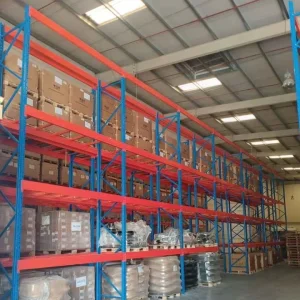
Engineered for extreme environments, heavy dynamic loads, and modern automated warehouses.
The Comprehensive Guide to Structural Integrity, Load Safety, and Global Supply Chain Integration in Modern Industrial Racking Systems.
The rapid progression of globalization and regional e-commerce infrastructure has placed unprecedented pressures on warehouse operators worldwide. Space efficiency is no longer merely a metric of convenience; it is a critical competitive lever. As urban land valuations continue to climb, facilities are scaling vertically, resulting in high-bay configurations exceeding 30 meters. This vertical elevation has introduced high static loads, complex dynamic interactions, and enhanced seismic vulnerability, calling for highly engineered racking systems and precision-fabricated rack accessories.
Historically, system failure was often associated with general load exceedance on beams. However, contemporary mechanical forensics demonstrate that catastrophic rack collapses are far more frequently triggered by localized impact vectors—such as forklift collisions—exacerbated by a lack of robust deflection control elements, substandard row spacers, and poor floor-anchoring accessories. Choosing engineered structural accessories from certified Chinese exporters has shifted from a cost-reduction strategy to an essential risk-mitigation policy.
Across key logistics regions—ranging from the high-throughput transport hubs of Rotterdam and Hamburg in Europe, to the expansive multi-modal logistics centers of Chicago and Houston in North America, to the burgeoning smart ports across ASEAN—rack configuration requirements vary significantly. Yet, the foundational demand for premium rack structural integrity remains constant.
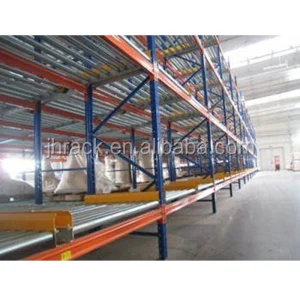
Optimizing SKU density via gravity-fed rolling tracks, requiring dynamic structural supports, safety braking systems, and heavy-duty frame accessories.
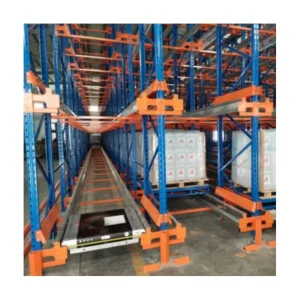
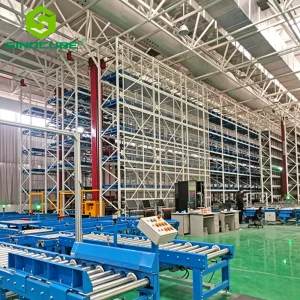
Automated Storage and Retrieval Systems (AS/RS) operate on tight structural tolerances. Uprights must maintain less than 1:1000 deflection to ensure collision-free shuttle transits.
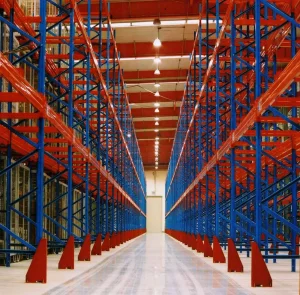
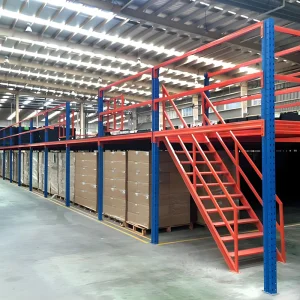
Maximizing vertical clearance by introducing structural platforms. This relies heavily on connection components, joist hangers, and high-tensile column brackets.
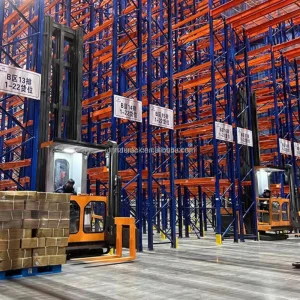
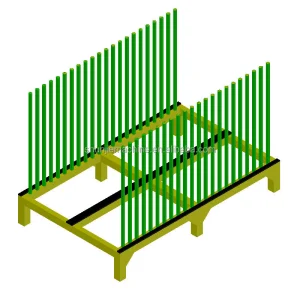
Logistics operators are increasingly transitioning from traditional selective rack configurations to semi-automated and fully automated platforms (such as Radio Shuttle Systems). In these systems, custom floor profiles, guide rails, row spacers, and safety end-guards act as the crucial foundation. Without high-precision manufacturing, structural imbalances can compound, causing misalignment in automated shuttles and leading to system shutdowns.
Why Guangzhou LogiSteel serves as the preferred structural manufacturing partner for global enterprise procurement.
China’s status as a leading exporter of heavy-duty industrial racking and accessories is supported by complete regional steel ecosystems, rapid technical iteration, and advanced automation. Guangzhou LogiSteel Racking Co., Ltd. leverages these local cluster dynamics to control raw material sourcing directly from domestic steel mills, such as Baosteel and Ansteel. This ensures trace-element compliance, featuring high mechanical properties in Q235 and Q355 structural carbon steels.
| Steel Grade (Standard) | Yield Strength (Fy - MPa) | Tensile Strength (Fu - MPa) | Standard Applications | Production Treatment |
|---|---|---|---|---|
| Q235 (GB/T 700) | 235 Min | 370 - 500 | Standard uprights, beams, spacer bars, baseplates | Continuous roll forming, automated welding |
| Q355 (GB/T 1591) | 355 Min | 470 - 630 | Heavy-duty high-bay systems, heavy dynamic beams | Precision punching, robotic arm welding |
| SS304 (Austenitic) | 205 Min | 515 Min | Cold storage facilities, cleanroom storage, pharma racks | Polished or anti-rust passivation coating |
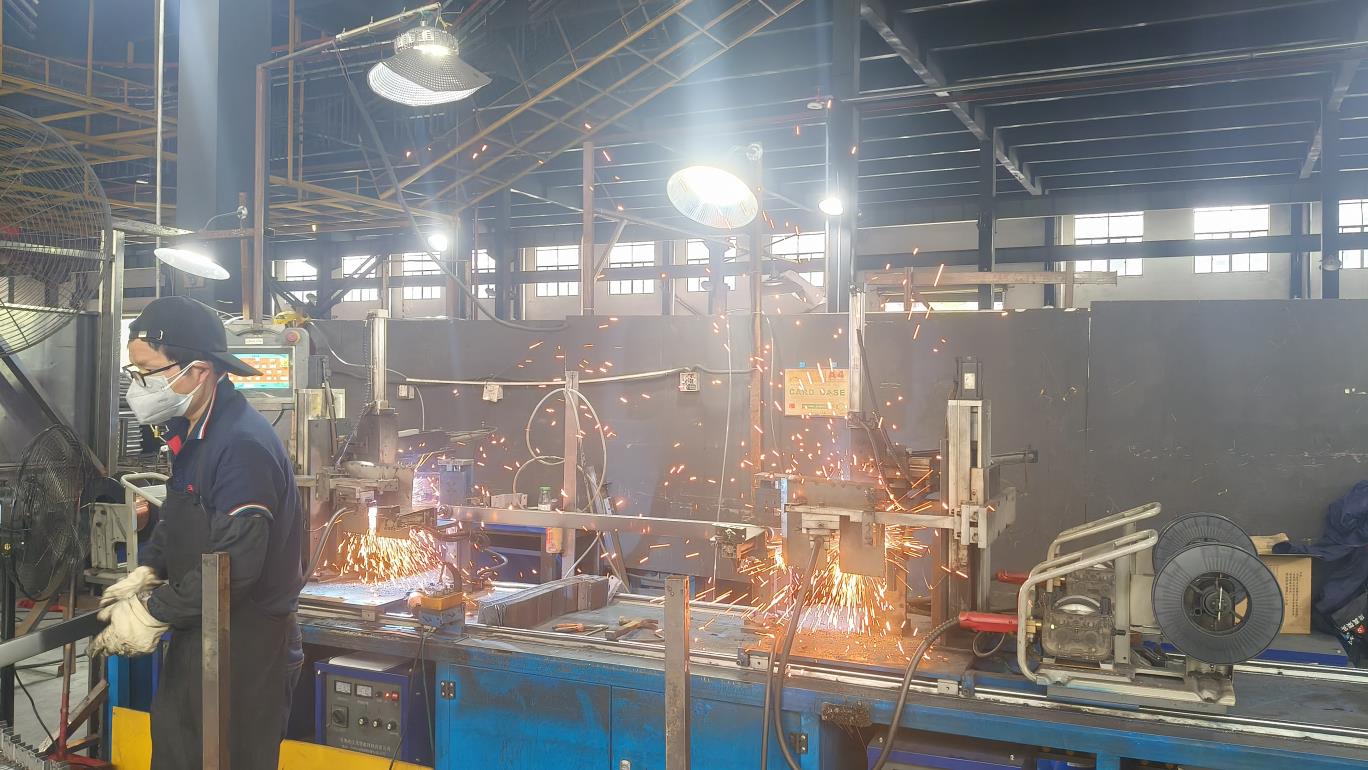
Our manufacturing ecosystem integrates tube cutting saws, tube punching machines, guillotine shears, hydraulic punching presses, plate bending machines, and advanced robotic welding systems. This vertical integration allows us to shorten lead times relative to Western competitors, while offering highly customized configurations.
Tailoring structural rack designs and accessories to meet local geographic and operational demands.
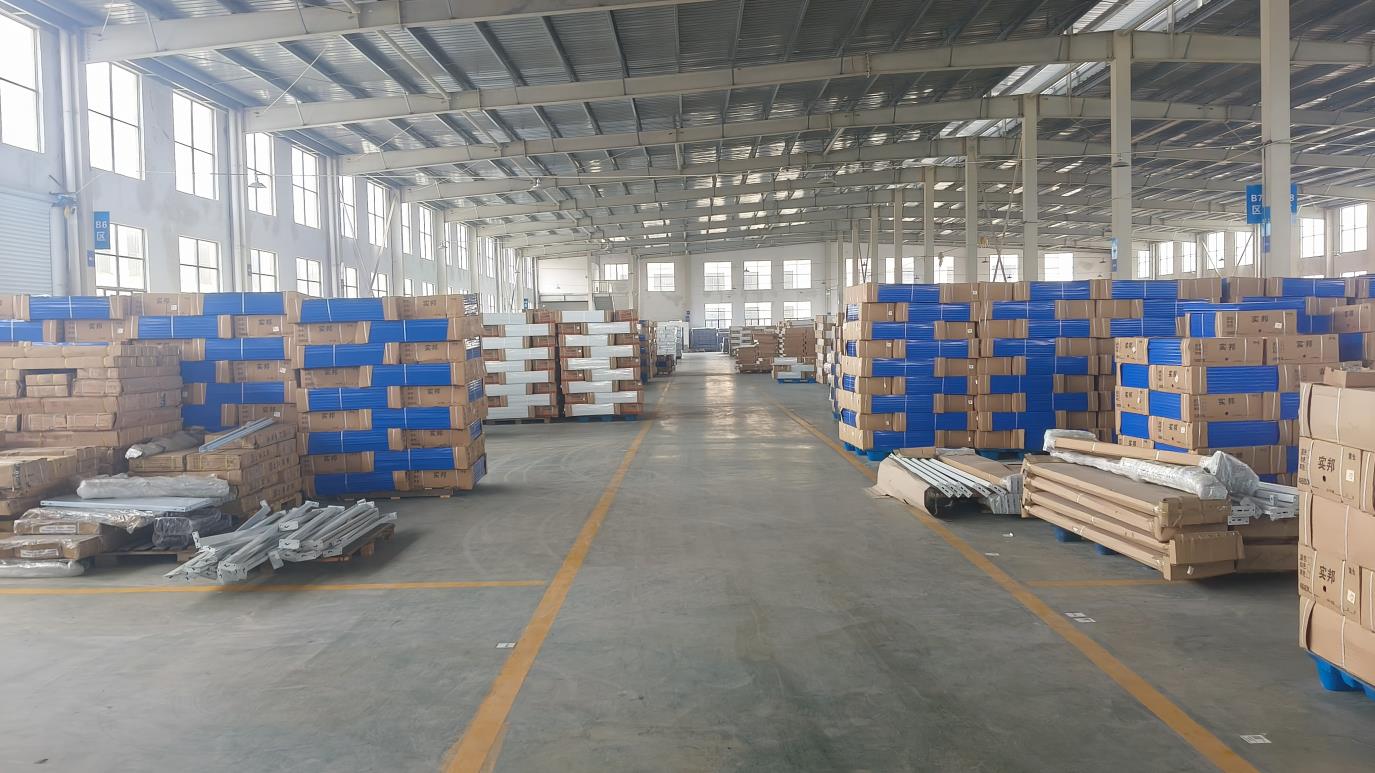
In cold chain warehouses operating between -25°C and -40°C, traditional carbon steel can suffer from low-temperature embrittlement, increasing the risk of structural failure. Additionally, humidity fluctuations during loading cycles cause surface condensation, which leads to rust.
Engineering Solution: We utilize Q355D steel grades with verified impact energy ratings down to -20°C, alongside specialized low-temperature powder coatings or hot-dip galvanization with a minimum thickness of 60–80 microns. This ensures durability, preventing corrosion and preserving structural integrity.
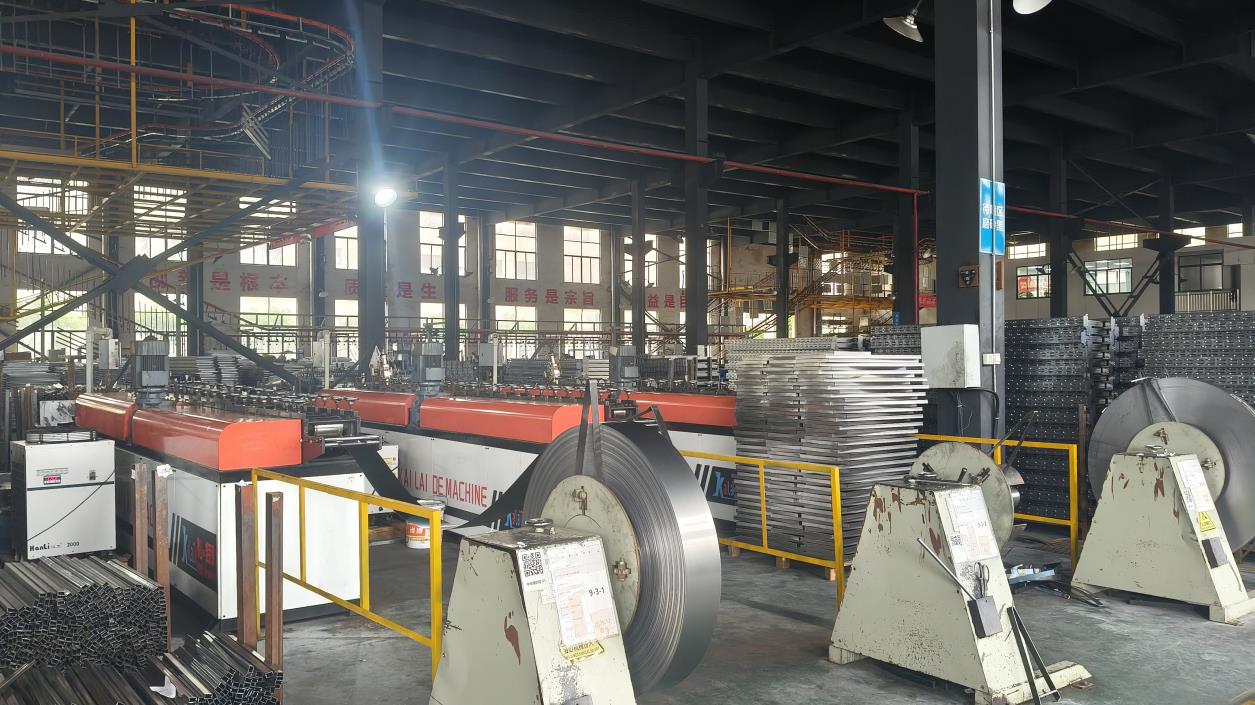
High-bay racking systems located in seismically active zones face severe dynamic shear stress and acceleration forces during seismic events. This requires rigorous structural design to absorb and dissipate lateral energy.
Engineering Solution: Custom oversized baseplates, heavy-duty floor anchoring bolts, and high-ductility connection brackets are designed in accordance with RMI and FEM specifications. Heavy-duty horizontal bracing systems and rigid row spacers are added to ensure proper load distribution and system stability under seismic loads.
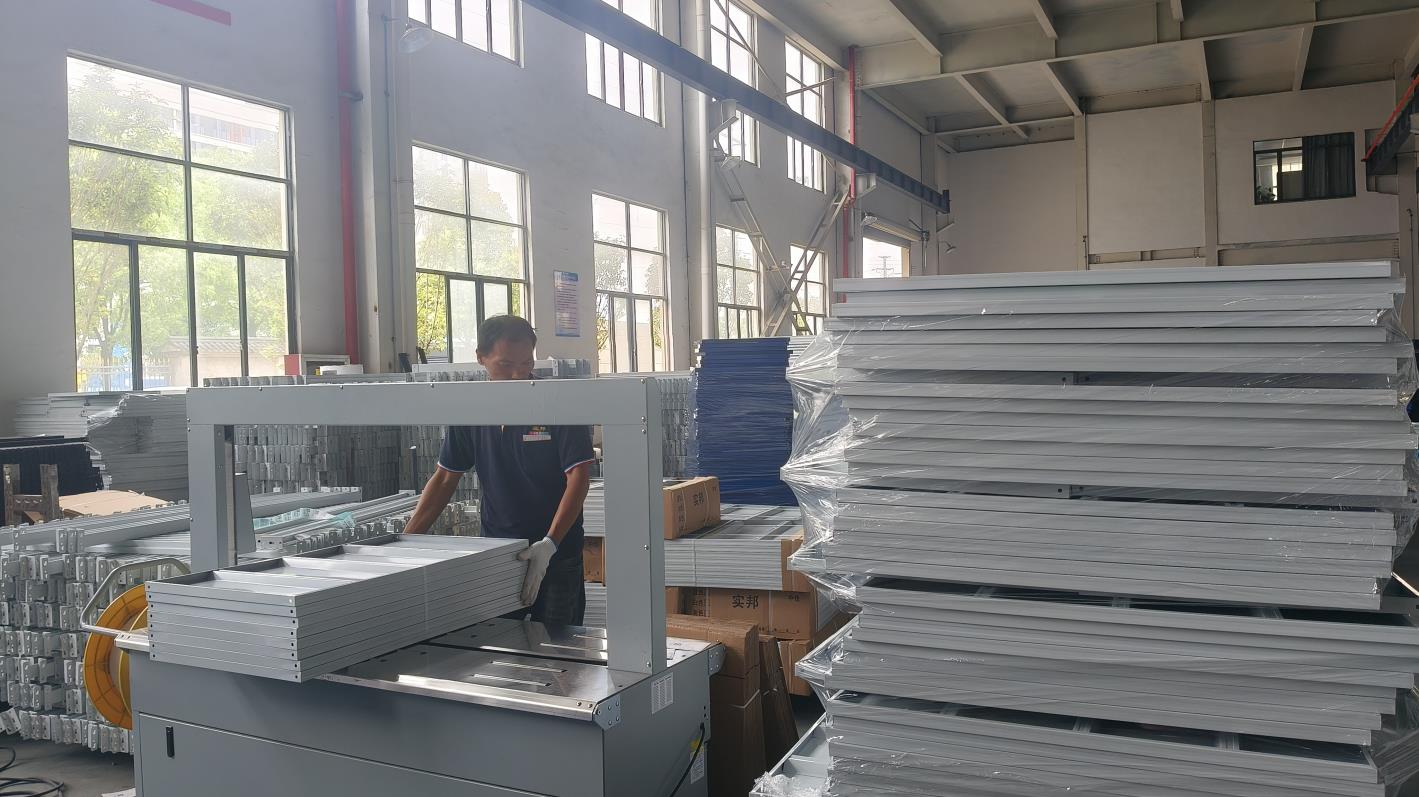
Retail environments demand high aesthetic standards alongside high structural safety, as systems are exposed to both general consumers and heavy warehouse equipment.
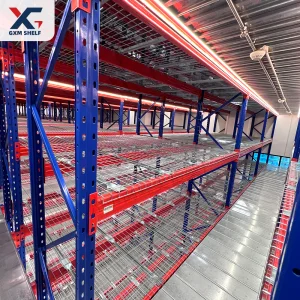
Engineering Solution: Modular designs featuring tool-free adjustments, powder-coated gondola rack structures, wire mesh decks to meet fire sprinkler codes, and integrated collision protectors to maintain safety in high-traffic retail spaces.
Anticipating the technological developments shaping the future of global logistics infrastructure.
Integrating strain gauges and laser sensors directly into uprights and load-bearing beams to provide real-time warning of structural overloading or safety limit exceedances.
Utilizing green powder coating systems and low-carbon metallurgical processes to meet the strict Scope 3 emission targets set by global logistics enterprises.
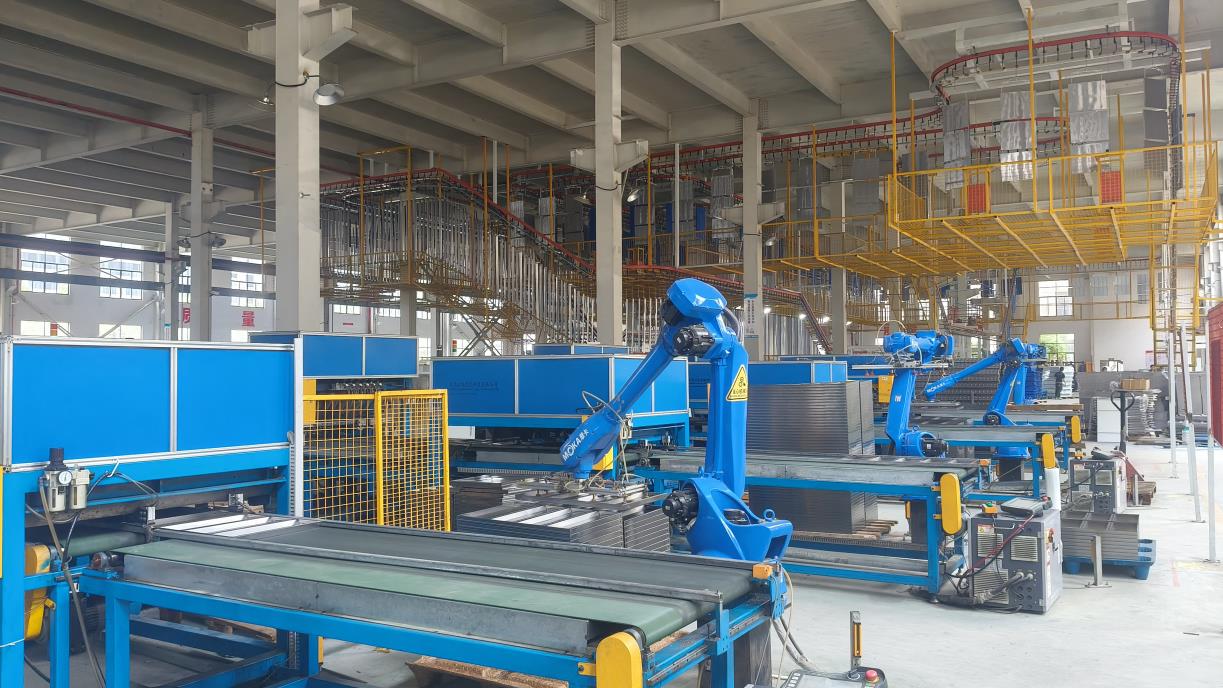
Deploying robotic assembly lines to achieve dimensional tolerances within ±0.5mm, facilitating the smooth integration of high-speed shuttle and crane systems.
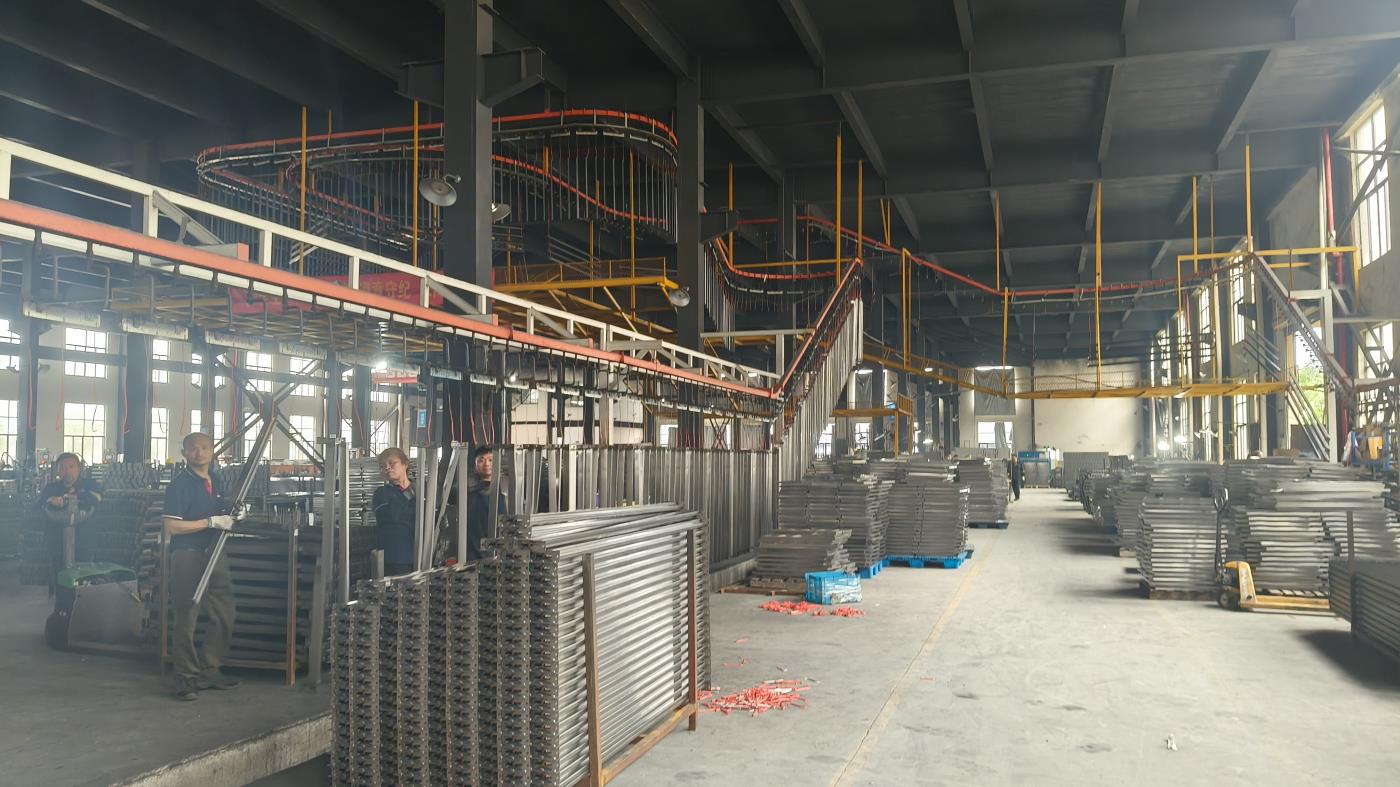
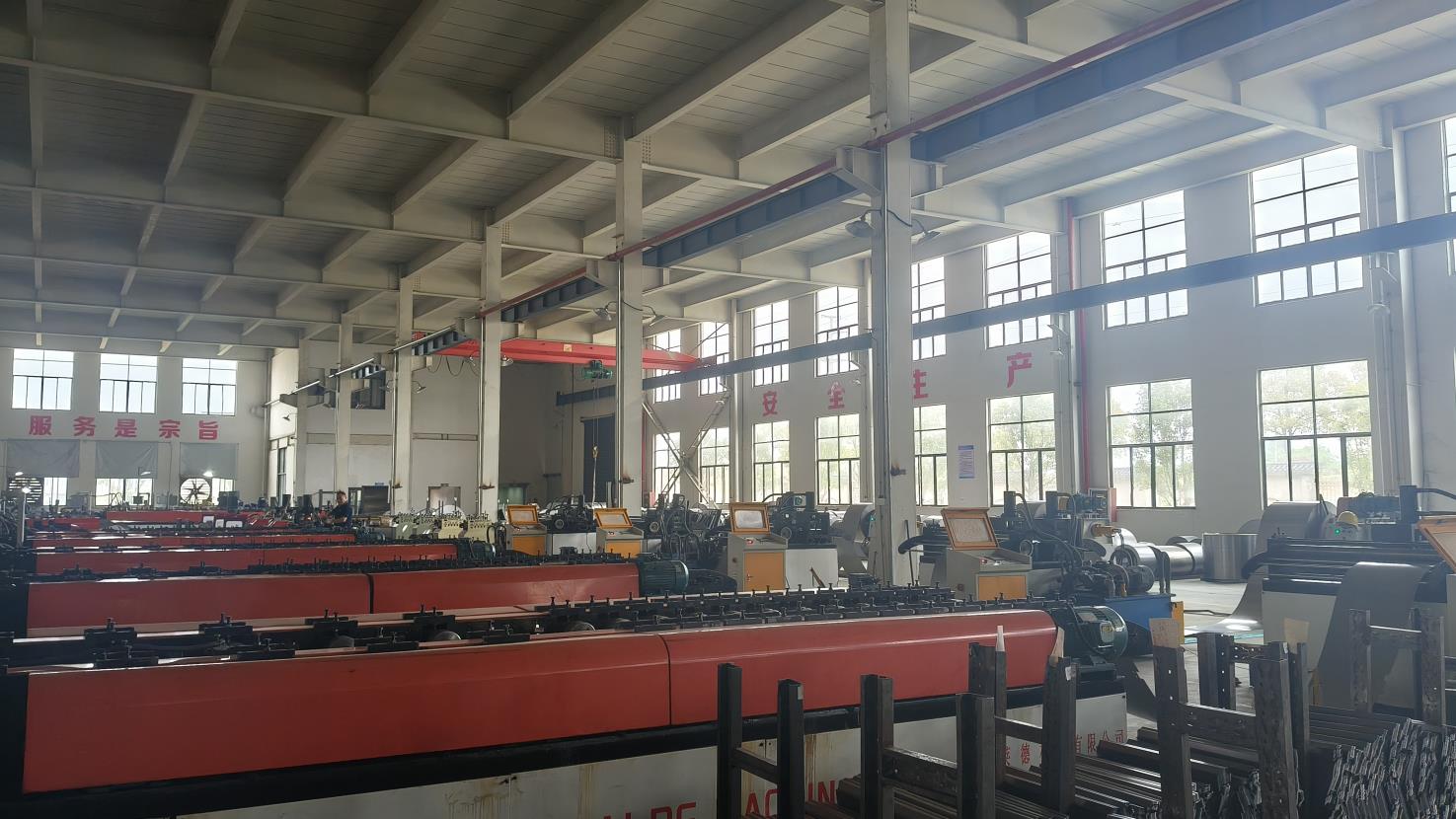
A look into our advanced production and manufacturing operations.
Guangzhou LogiSteel Racking Co., Ltd. is a specialized manufacturer focused on the design, production, sale, and installation of premium storage racking systems, display stands, and retail shelving systems.
Our facility spans over 15,000 square meters and houses advanced production equipment, including roll forming mills, automated welding systems, and specialized powder coating lines. Our team of design engineers works in compliance with CE and global standards, delivering customized solutions that optimize storage volume and operational efficiency.
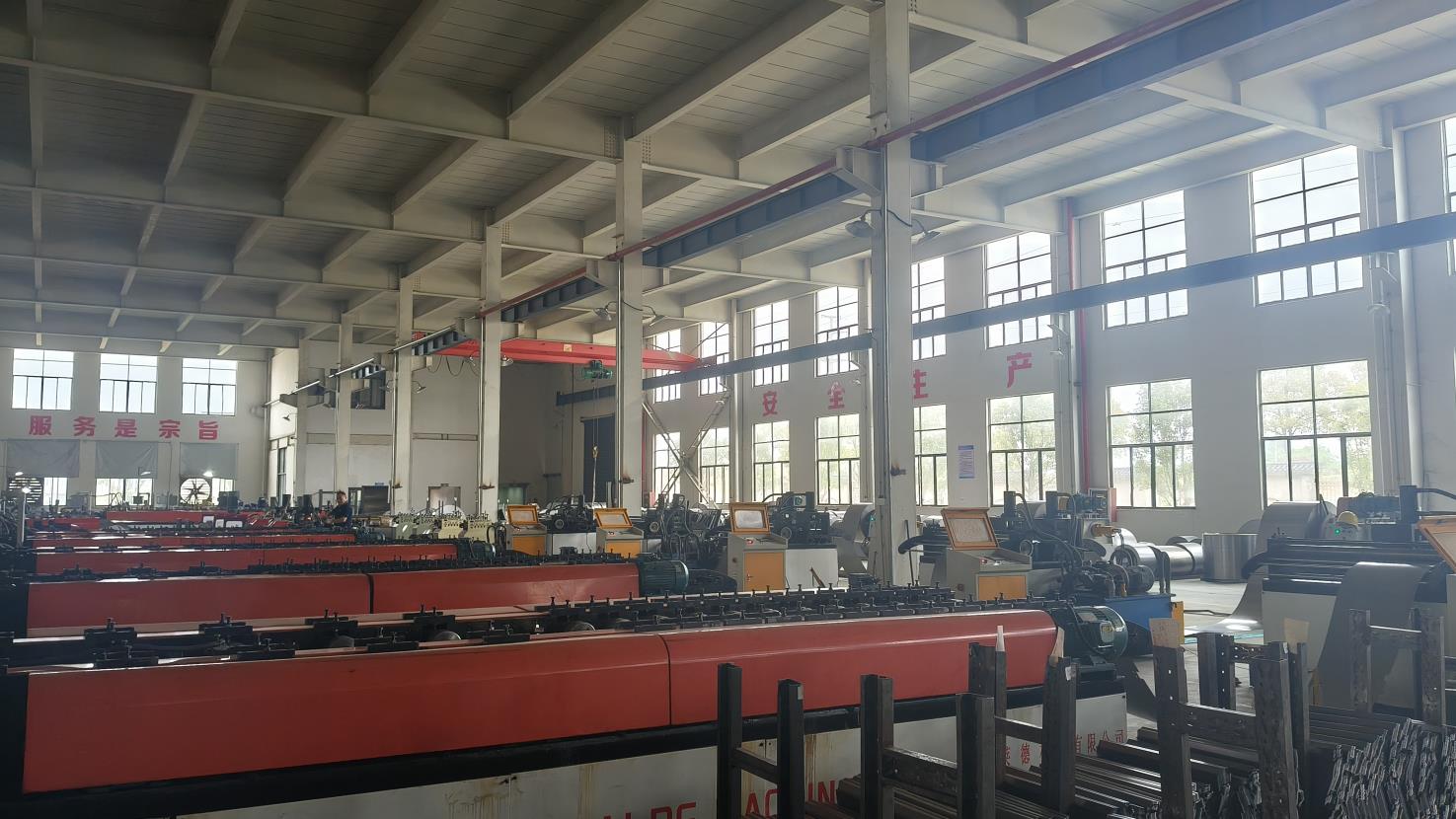
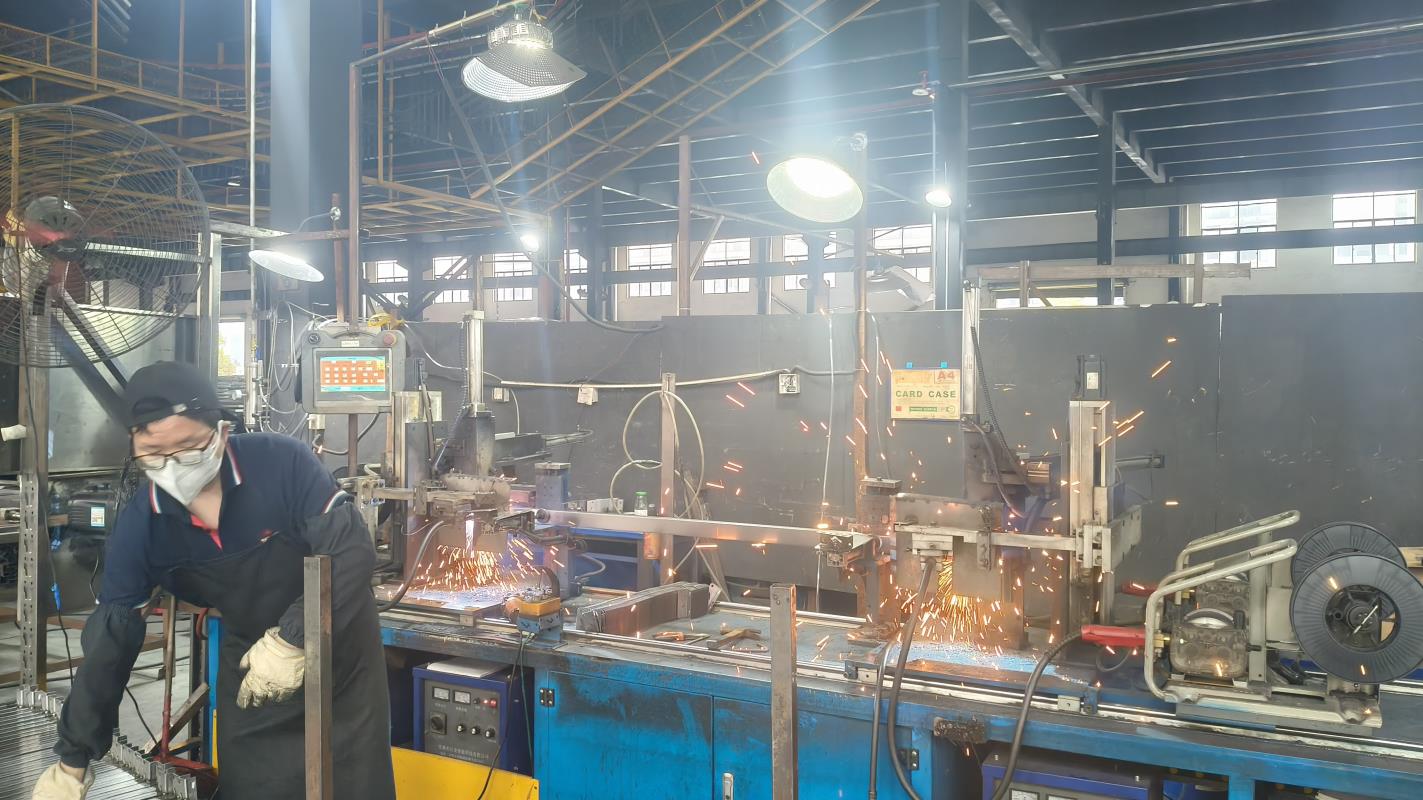
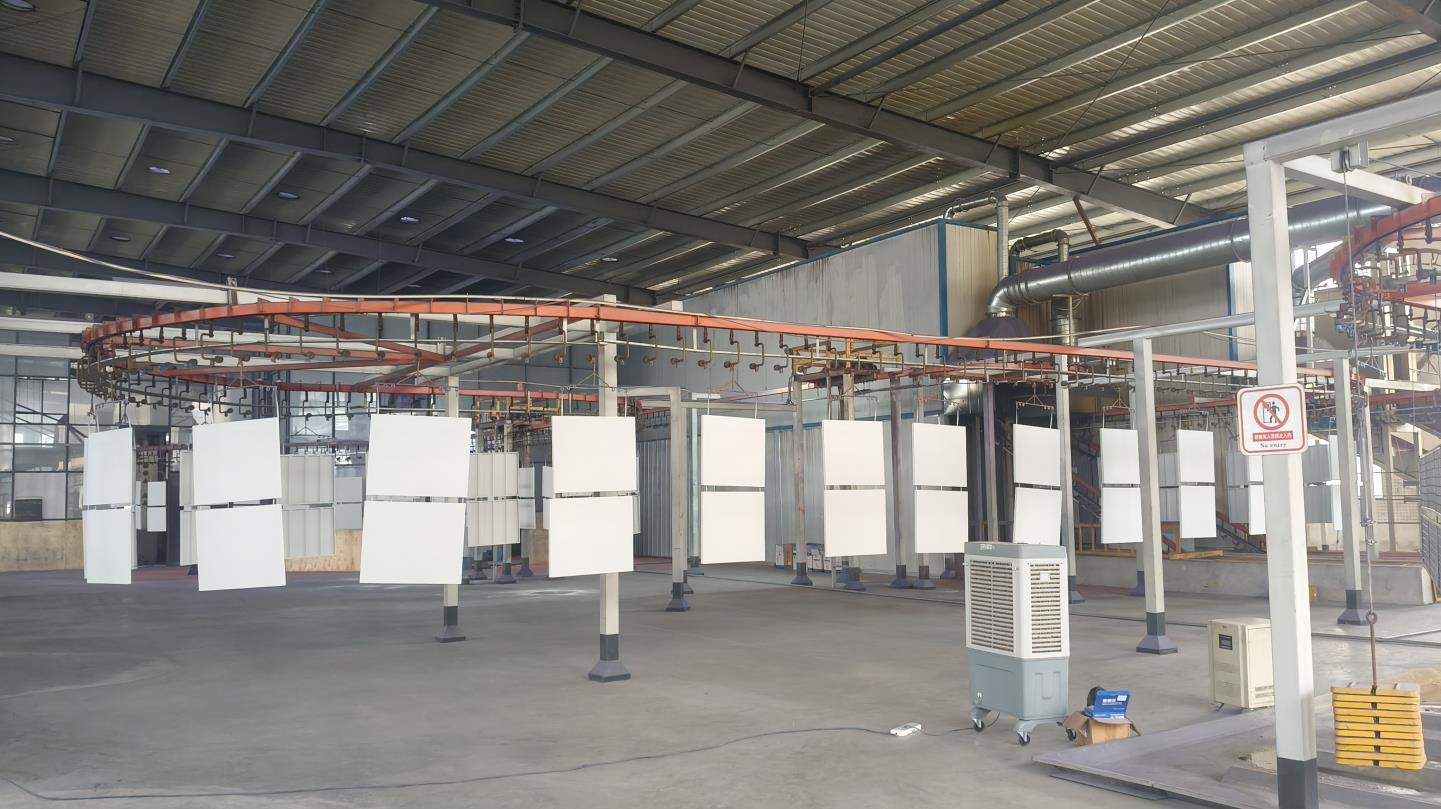
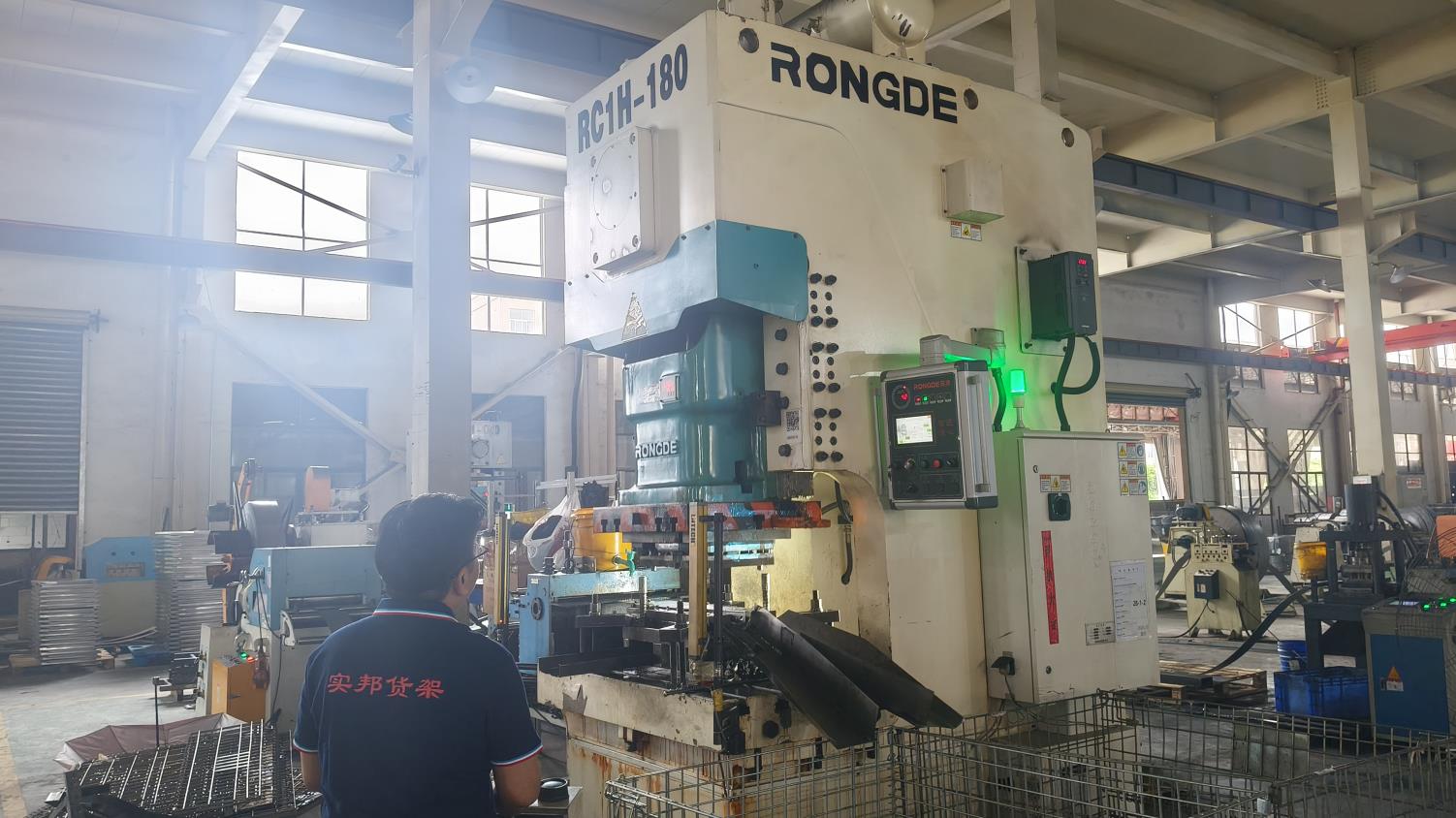
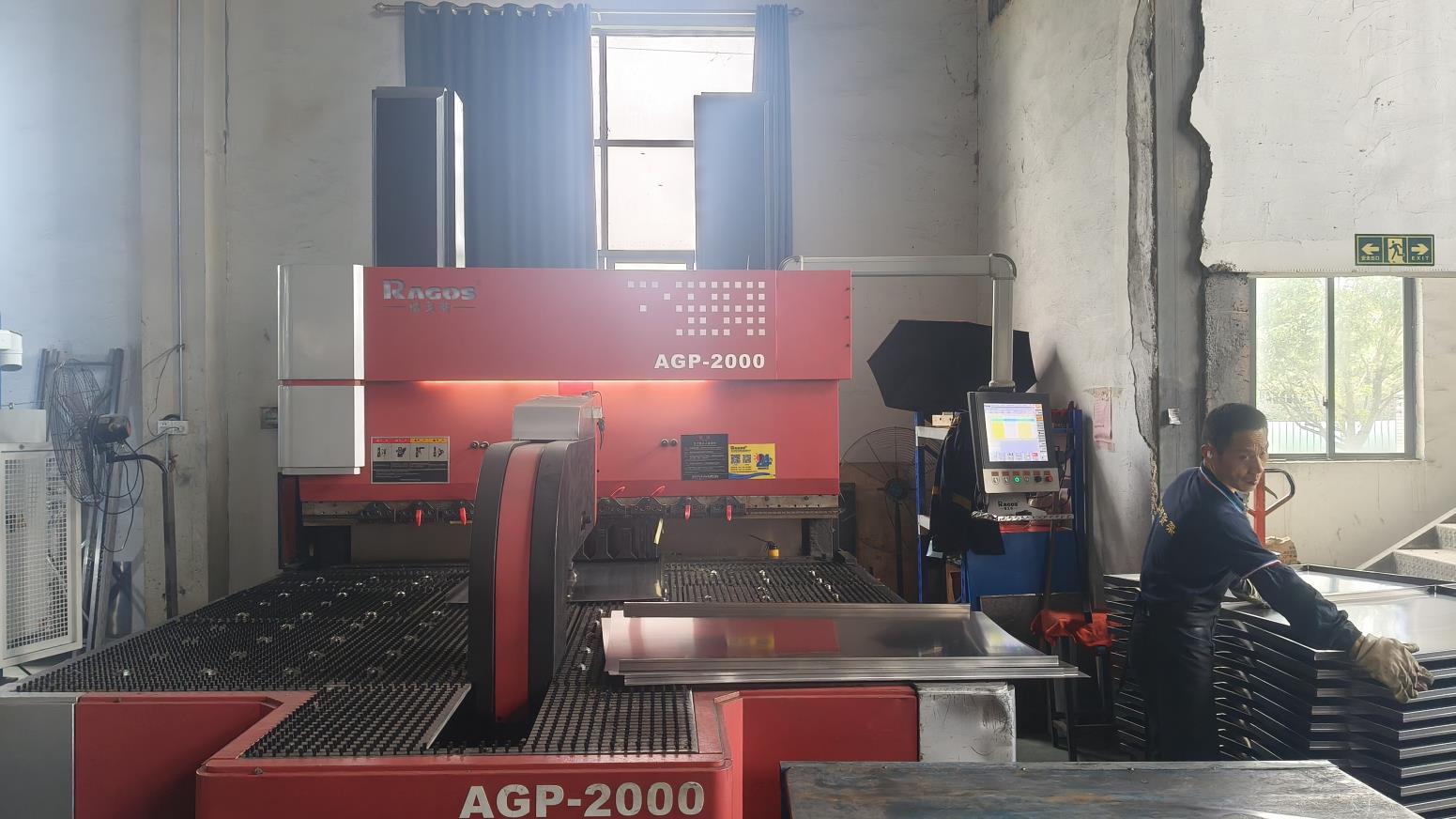
Compliance with global engineering and safety standards ensures structural integrity across configurations.
Industrial storage systems must comply with regional standards to ensure structural safety. Guangzhou LogiSteel designs and manufactures systems to meet international racking guidelines, including:
By utilizing Finite Element Analysis (FEA) and testing weld integrity, we ensure that our storage solutions meet safety and regulatory standards globally.
Addressing common technical, procurement, and design queries from global material handling managers.
All raw steel coils are sourced directly from premier state-owned mills, complete with Mill Test Certificates (MTC). We conduct batch-testing for yield strength, elongation, and chemical composition (such as Carbon and Manganese content) prior to feed-forming.
Yes. We specialize in producing both American Standard Teardrop upright profiles and various European hook configurations, ensuring compatibility with your current racking infrastructure.
For cold storage or humid applications, we provide hot-dip galvanizing, zinc plating, or electrostatic powder coating using low-cure resins to prevent corrosion and flaking.
Our team utilizes CAD and structural modeling software to design custom layouts based on your specific SKU dimensions, load capacities, and ceiling heights, optimizing space utilization.
Standard production cycles typically range from 20 to 30 days, depending on volume. Our proximity to the port of Guangzhou facilitates efficient export logistics.
Yes. We calculate structural parameters based on local seismic zone maps, providing structural bracing and anchoring configurations that meet regional safety standards.
We perform finite element analysis to simulate static, dynamic, and seismic loads, ensuring safety factors align with regional structural engineering standards.
We supply detailed assembly manuals and layout plans. For large-scale installations, we can arrange for technical engineers to provide on-site supervision and alignment checks.
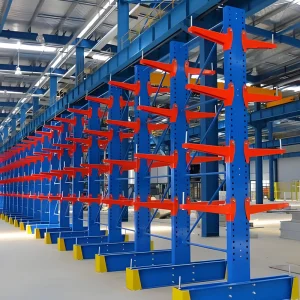
Select configurations designed for heavy load capacities and optimized vertical space utilization.
 LogiSteel Racking