Explore our top-performing warehouse heavy-duty racks, optimized for high load capacities and extreme operational safety standards.
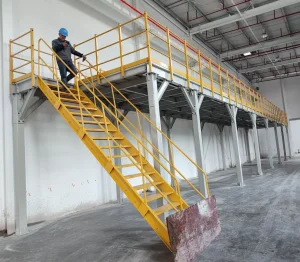
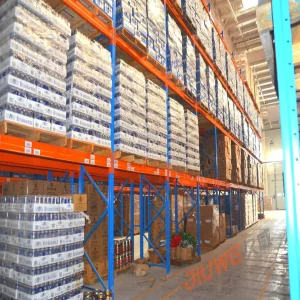
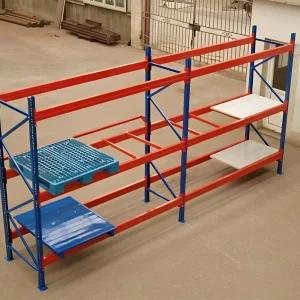
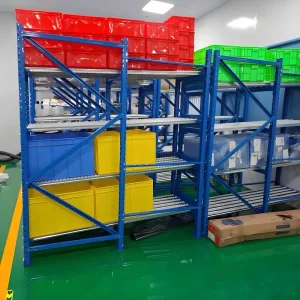
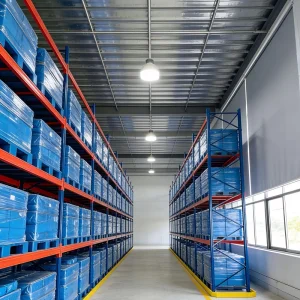
In modern industrial logistics, structurally sound storage systems serve as the critical foundation of the supply chain. Guangzhou LogiSteel Racking Co., Ltd. is a premier manufacturer specializing in the advanced engineering, design, high-precision fabrication, global sales, and turnkey installation of heavy-duty storage racking systems, high-density industrial mezzanine floor setups, and supermarket display systems.
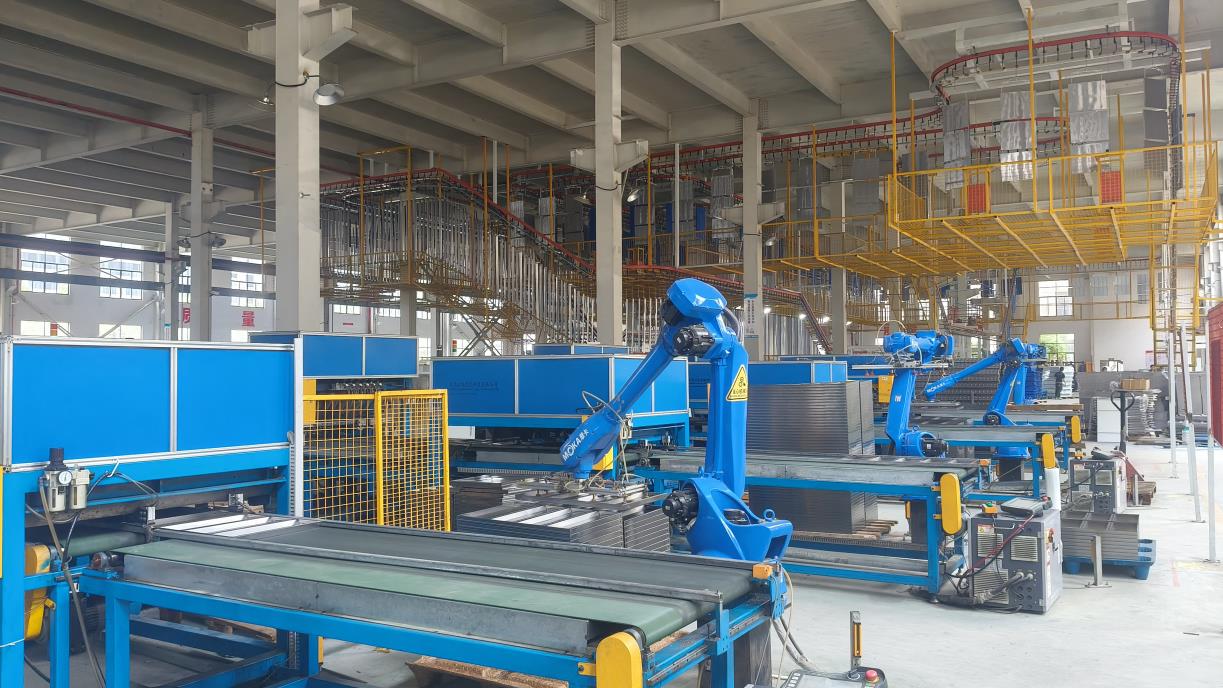
Over decades of dedicated operation, LogiSteel has evolved from a local manufacturing workshop into a leading global supplier in the material handling industry. With a vast manufacturing footprint spanning more than 15,000 square meters, our facility supports high-volume roll-forming and robotic welding operations. We employ over 200 skilled operators and technical engineers who ensure that every steel beam, upright frame, and connector complies with rigorous mechanical safety regulations.
"Our objective is to bridge the gap between structural integrity and smart logistics optimization, helping high-bay distribution centers achieve higher volume utility with minimal risk."
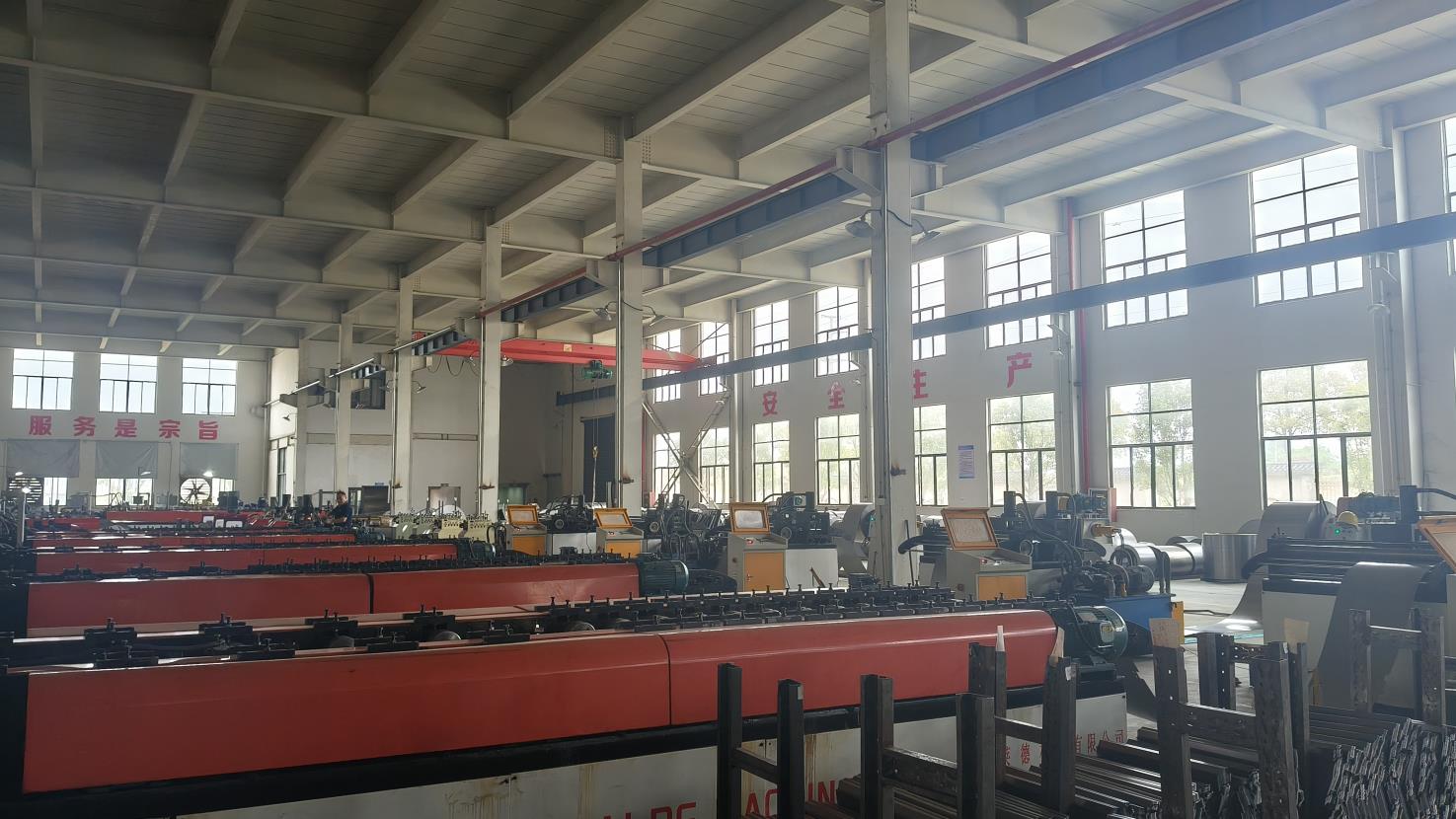
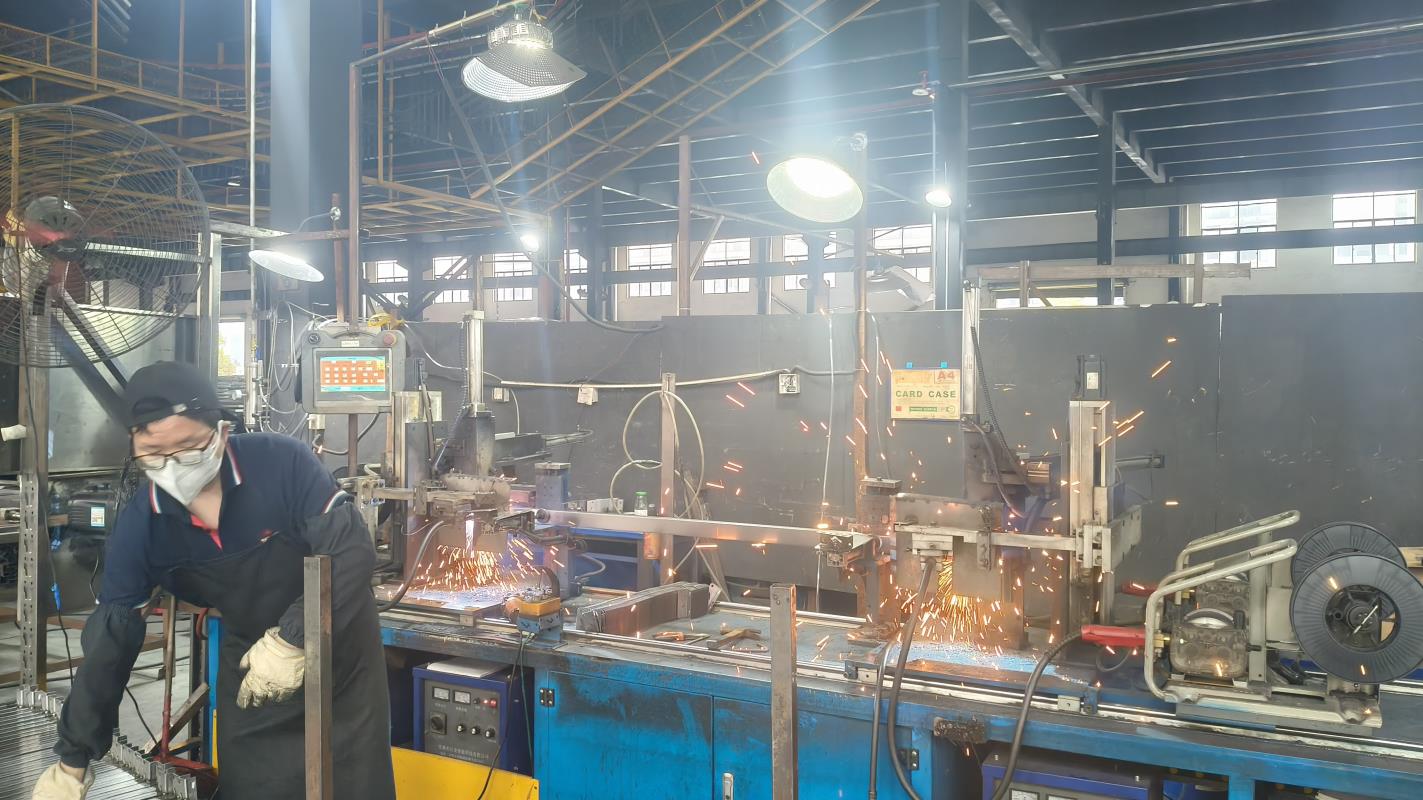
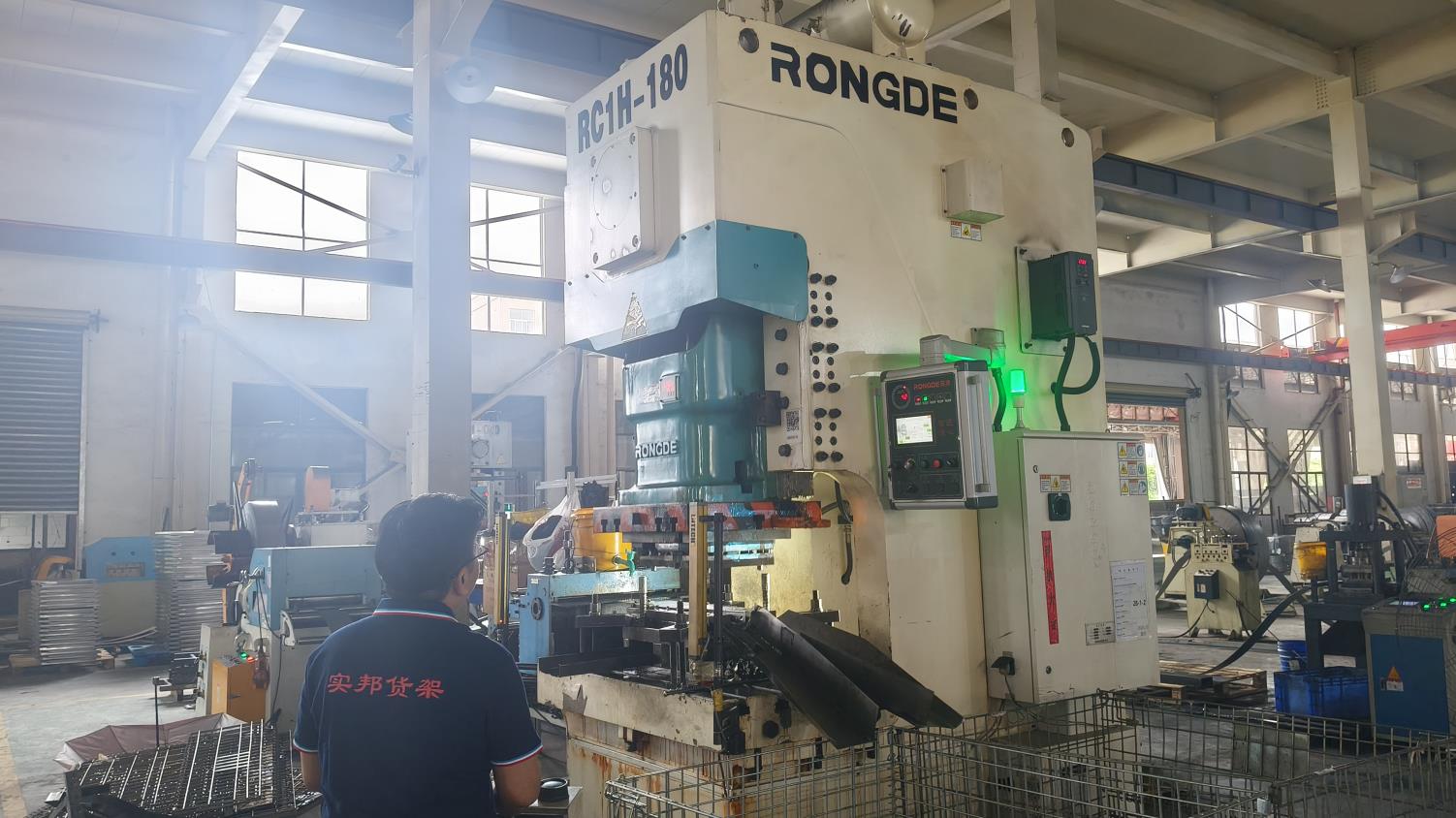
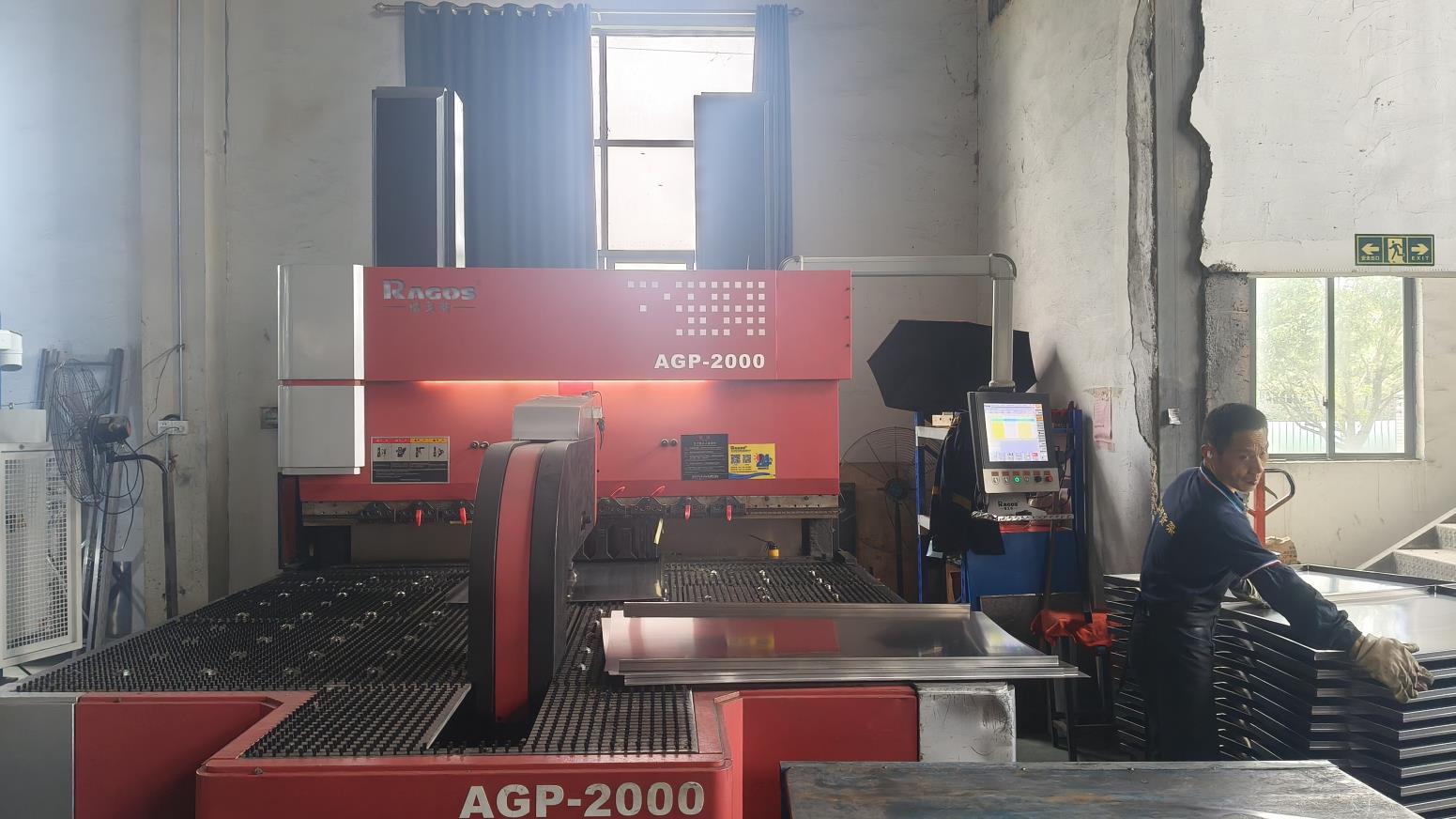
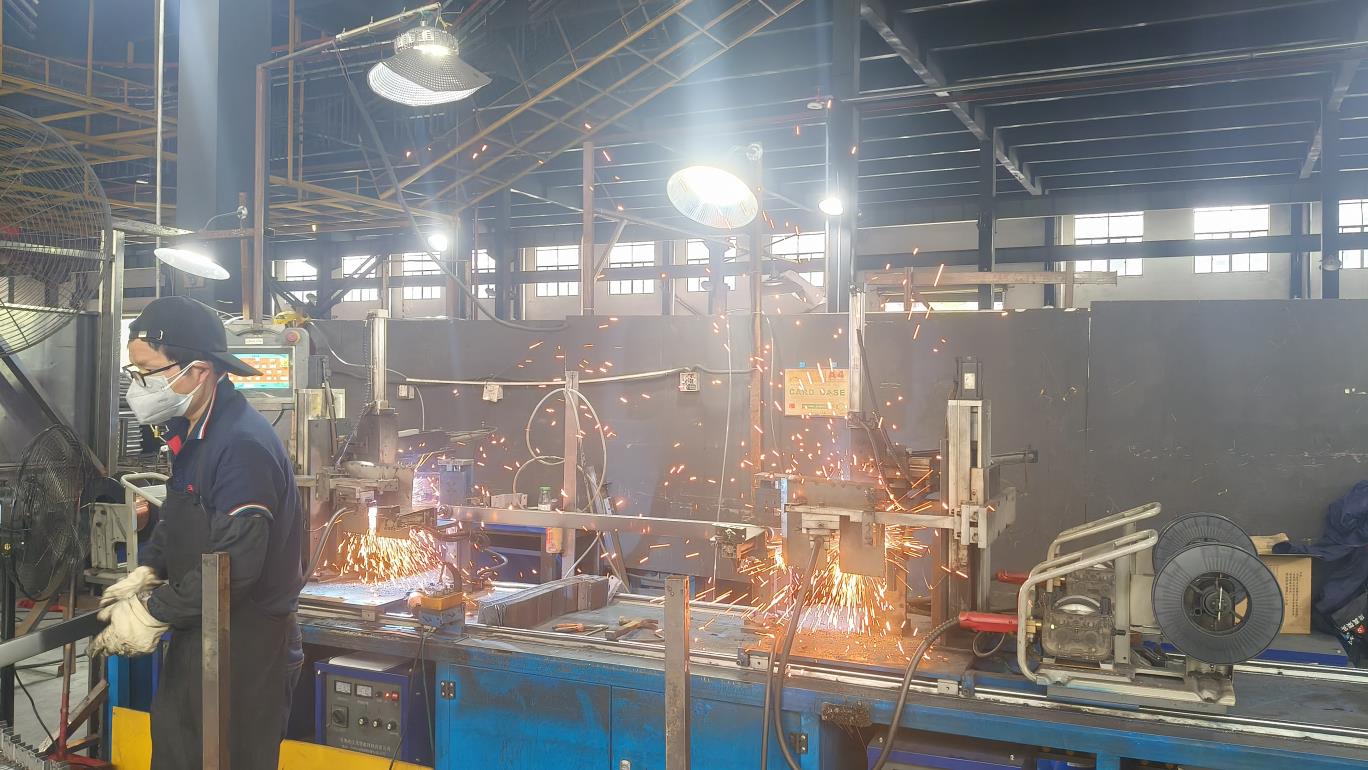
Equipped with advanced technical engineering software and industrial processing machinery—including automated tube cutting saws, multi-point tube punching systems, guillotine shears, CNC hydraulic punching machines, plate bending machines, and high-precision spot welding machines—we maintain a zero-tolerance margin for dimensional deviation. This engineering precision is crucial for racking components designed to interface seamlessly with high-speed automated storage and retrieval systems (AS/RS).
We service enterprises across Oceania, Asia, Europe, South America, and the Middle East. With direct factory-to-port logistics channels, we reduce lead times by up to 25% compared to standard industry averages.
Our design office provides complete finite element analysis (FEA) modeling for all customized projects. This ensures structural safety against dynamic forklift impacts, vertical overloading, and regional seismic activities.
The shift from simple static shelving to highly automated, smart logistics infrastructures requires robust materials and precision engineering.
Utilization of advanced cold-rolled high-strength low-alloy (HSLA) steel (e.g., Q355B or ASTM A1011 equivalent) to minimize self-weight while maximizing bending resistance and payload per upright bay.
Developing roll-forming profiles engineered for automated storage and retrieval systems. Precision standards limit structural twist to less than 1.5mm per 10 meters, preventing robotic shuttle jams.
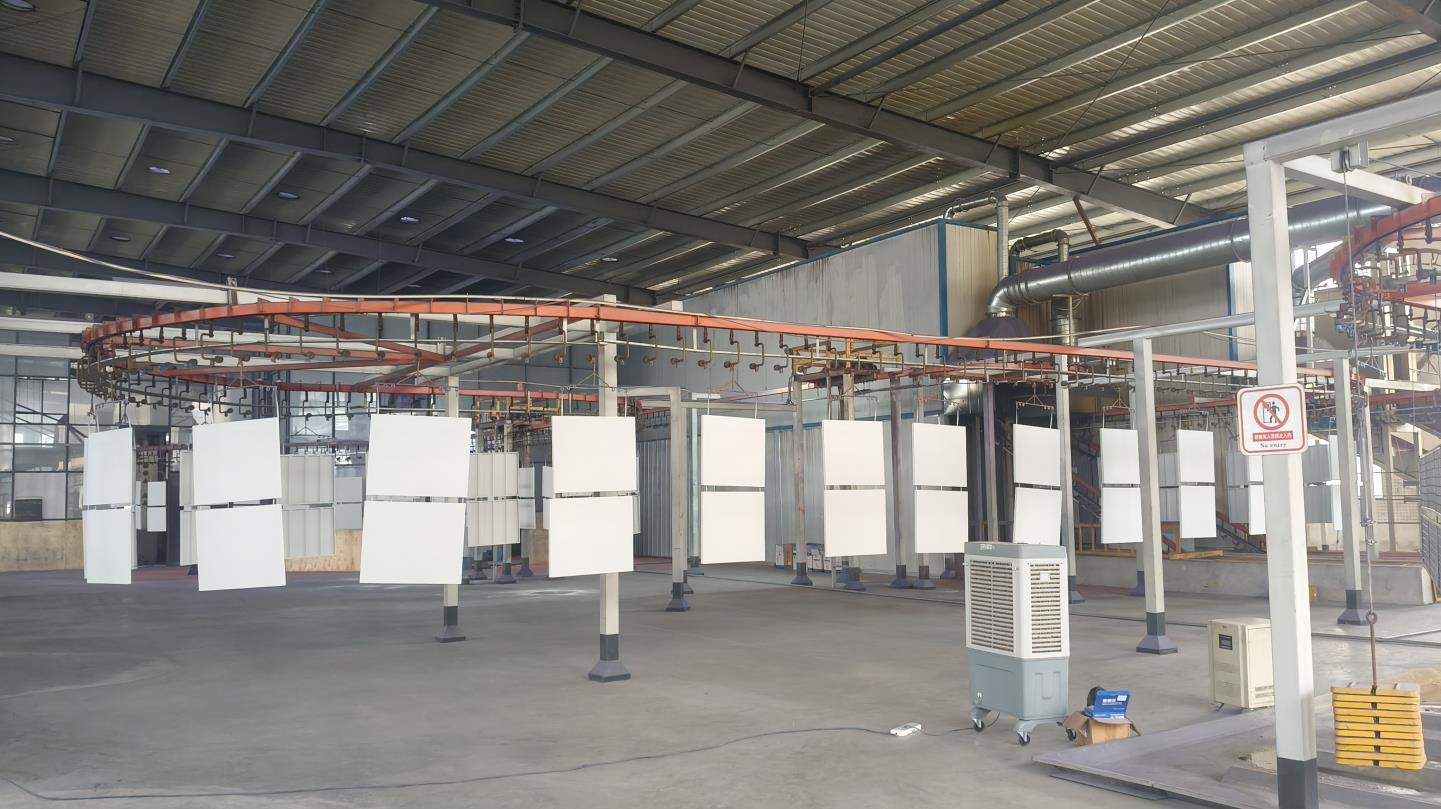
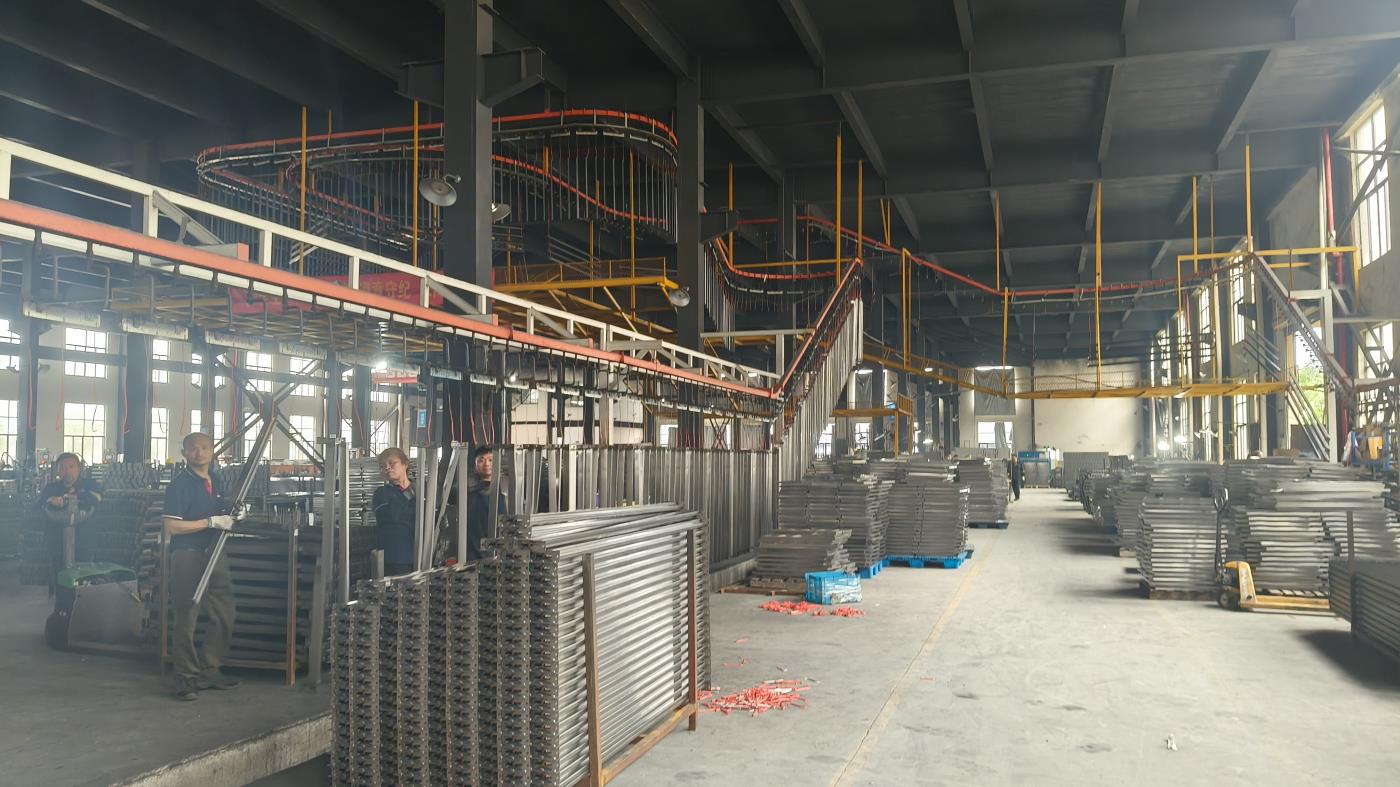
Transitioning to chromium-free passivation and low-temperature powder coatings. Our environmentally conscious electrostatic powder finishes resist abrasion and prevent toxic outgassing in cold storage.
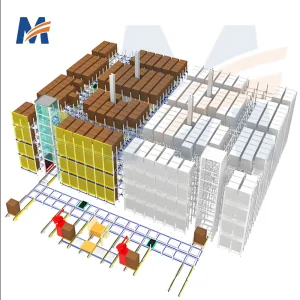
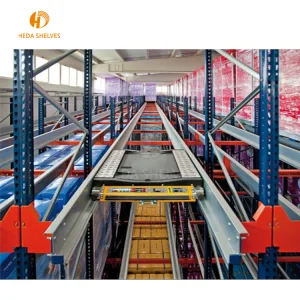
As logistics complexes scale vertically, conventional structures are no longer sufficient. Modern designs require high-density modular configurations. The integration of Radio Shuttle Racking, Very Narrow Aisle (VNA), and Multi-Tier Mezzanine Floor assemblies enables distribution centers to double their cubic space utilization without expanding their physical footprint.
Furthermore, structural health monitoring is emerging as a critical safety standard. The future of racking incorporates embedded IoT stress sensors and vibration detectors. These tools monitor load distributions and detect forklift impact damage in real time, alerting facility managers to structural weaknesses before mechanical failure occurs.
Every industry presents unique challenges in weight distribution, sanitization, throughput velocity, and environmental conditions.
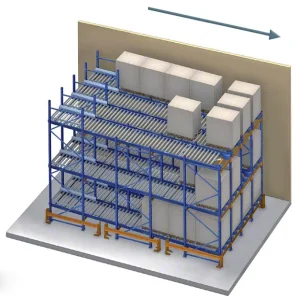
Sub-zero temperatures require specialized steel profiles. Our cold storage systems utilize low-temperature impact resistant steels (e.g., Q355D) that prevent low-temperature embrittlement. Combined with dynamic Gravity Flow and Radio Shuttle configurations, they maximize storage density and ensure First-In, First-Out (FIFO) stock rotation.
E-commerce operations rely on fast order picking. Our multi-level mezzanine racking systems feature integrated conveyor support and pick-to-light installations. This design optimizes vertical space, organizes mixed SKUs, and provides workers with safe, fast access to inventory levels.
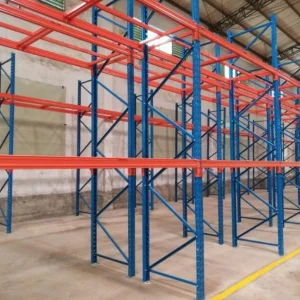
Storing bulky, high-mass automotive components requires heavy-duty structural steel profiles. LogiSteel’s custom Selective Racks feature reinforced roll-formed upright frames, safety support bars, and heavy-duty box beams designed to carry loads exceeding 4,000 kg per level.
Operating a modern factory in China's manufacturing hub allows Guangzhou LogiSteel Racking to utilize an optimized supply chain ecosystem. Adhering to the principles of Factory 4.0, we integrate automated processes across our raw material procurement and steel processing lines.
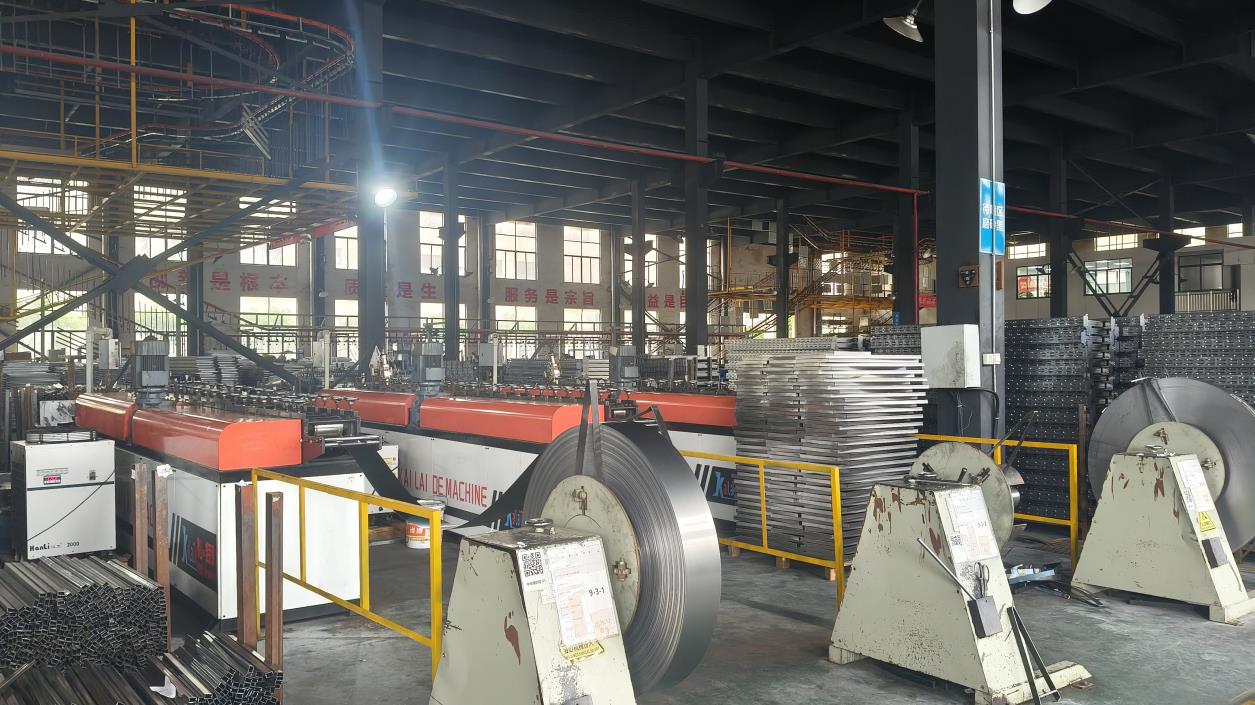
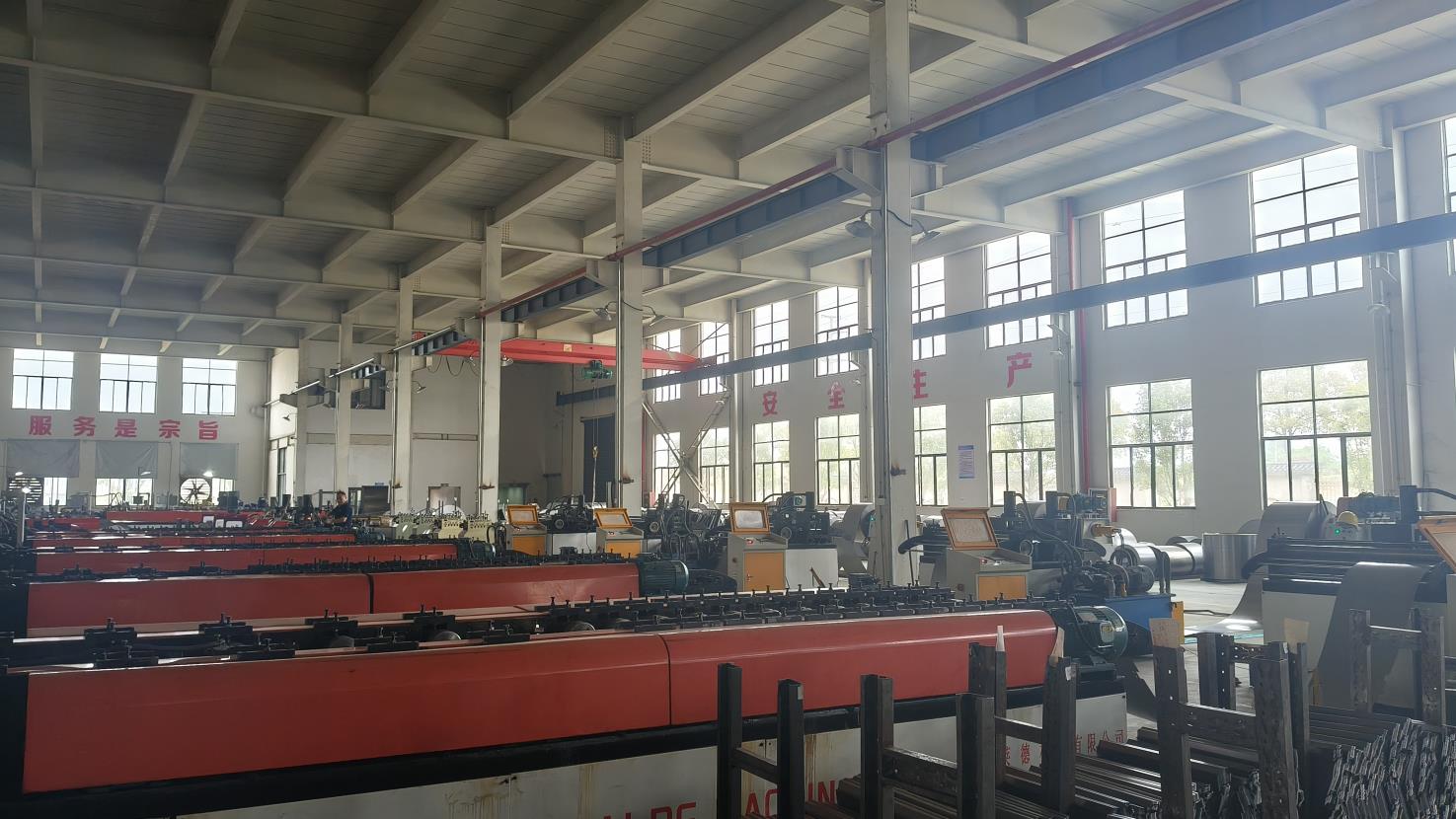
Our continuous automated roll-forming machines transform high-grade steel coils into structural profiles with high speed and consistency. Upright punch lines operate on programmed coordinates, maintaining a structural pitch tolerance of within ±0.1mm. This high precision is essential to ensure easy field assembly and reliable load distributions on-site.
Located in Guangzhou, near major deep-water ports, we coordinate container loading patterns to optimize freight density. This reduces ocean transport costs and expedites shipping customs clearances.
Our design-to-delivery workflow is integrated through a centralized ERP system. This system schedules production runs to ensure on-time delivery for complex, multi-phase warehouse installations.
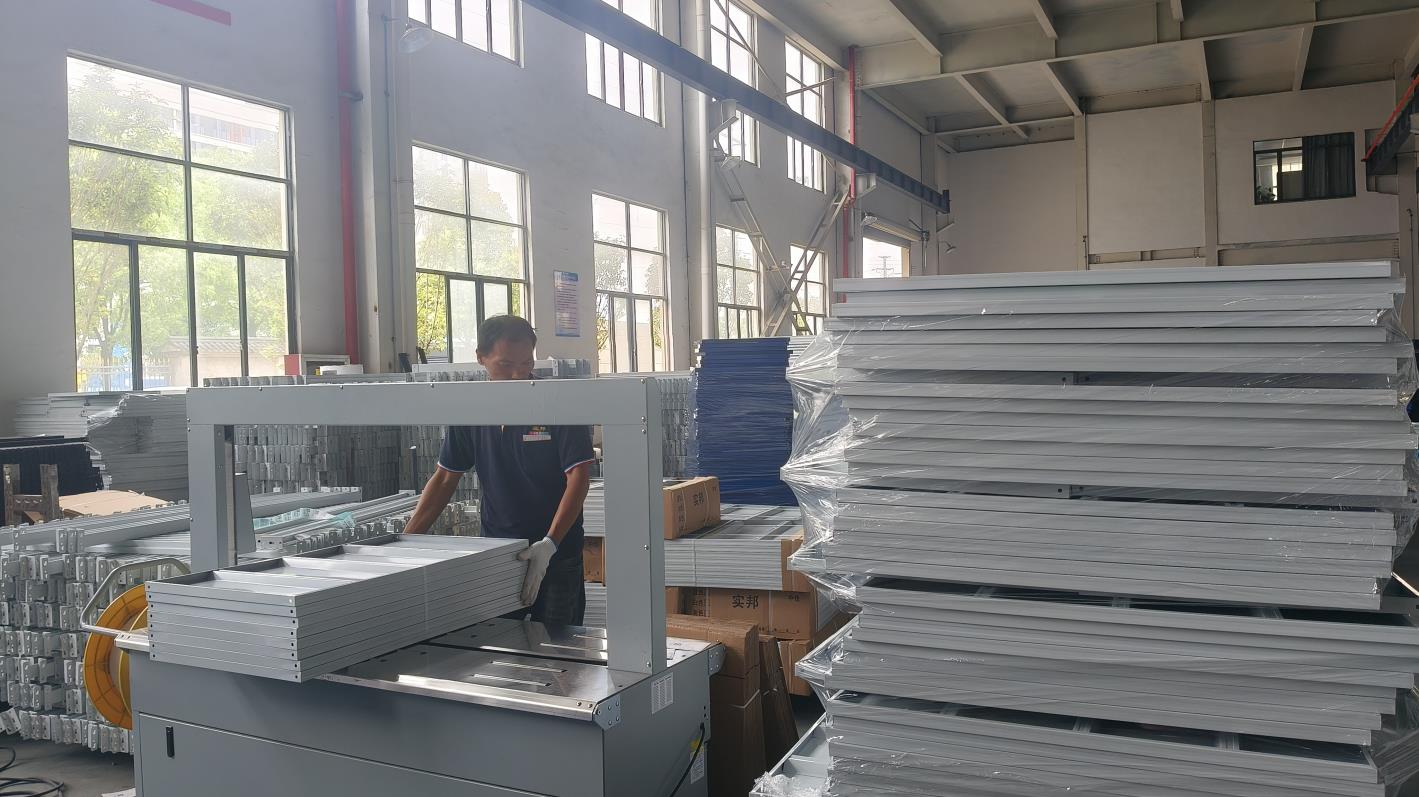
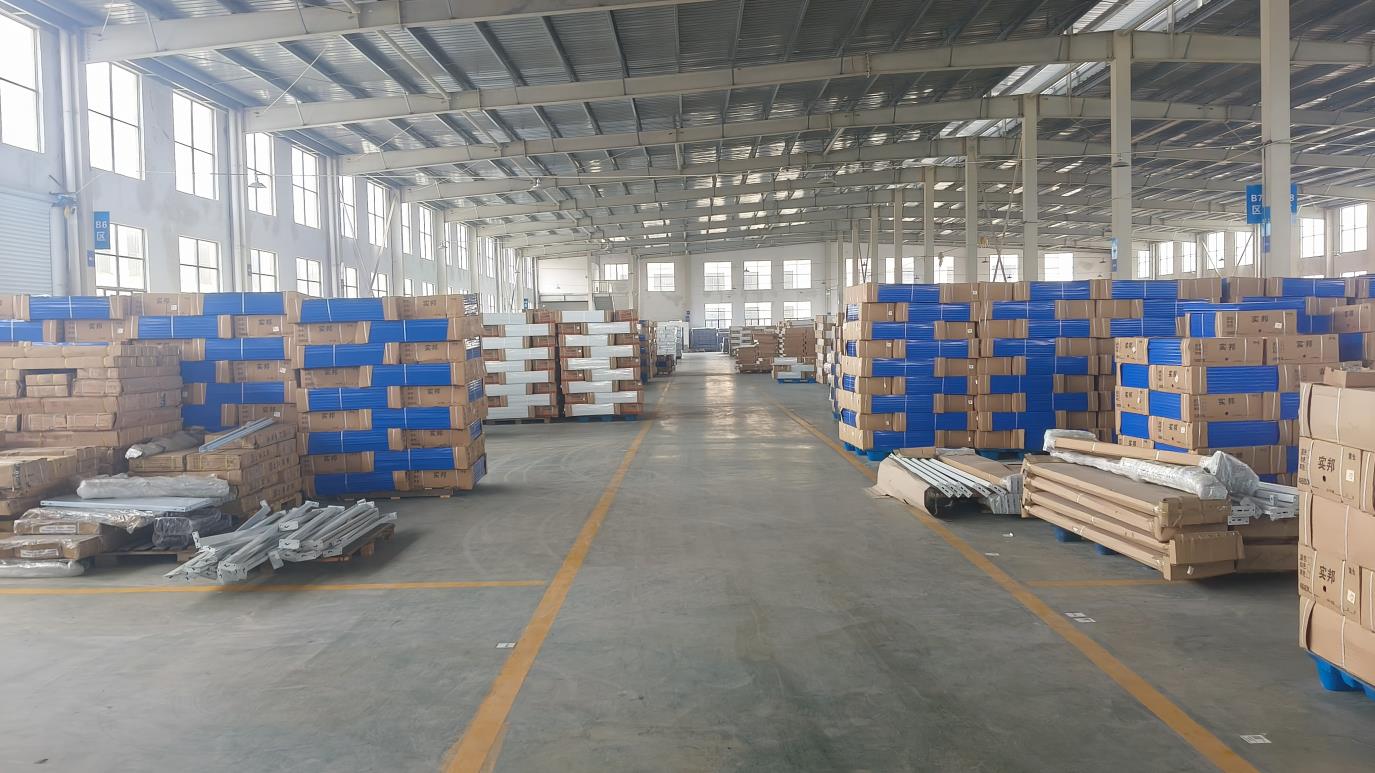
A visual overview of our manufacturing processes, from automated roll-forming and robotic welding to final electrostatic coating and packaging.
For international buyers and procurement officers representing high-throughput logistics hubs, select criteria define the quality of heavy-duty industrial racking. Beyond base price per pallet position, buyers evaluate standard compliance, engineering capabilities, design lifetime, and local field support.
Guangzhou LogiSteel structures comply with critical international safety codes. This includes the European Standard EN 15512 (for steel static racking systems), CE Certification, and Australian standard compliance. Racking projects engineered for seismic zones are calculated using structural dynamic formulas that account for geographic accelerations, ensuring stability under lateral load pressures.
Evaluating upfront CAPEX against long-term maintenance costs is essential. Industrial racking configurations built from inferior grade steels suffer structural deflection and premature damage from impact, resulting in high repair bills. LogiSteel uses high-tensile steel and heavy-gauge base plates to improve structural longevity, reducing replacement cycles and downtime.
LogiSteel operates a global network of installation partners. From initial DWG layout plans to final site handovers, we support clients through local site measurements, structural safety analysis, and technical supervision. Our engineers resolve complex issues—including uneven floor slabs or interference with overhead fire sprinklers—ensuring compliance with structural safety regulations.
Use our structural inspection checklist to verify supplier quality standards:
Common questions regarding racking selection, load calculations, custom configurations, and structural maintenance.
Dynamic load capacities are calculated based on the yield strength of the selected steel profile (such as Q235B or Q355B), the clear bay span distance, and the vertical distance between beam levels. Designers must account for both static dead loads and temporary dynamic forces, such as forklift placement forces. Structural designs include a minimum 1.5 safety factor to meet RMI and European EN 15512 safety codes.
We primarily utilize high-tensile hot-rolled or cold-rolled structural steel, matching Q235B or Q355B grades (equivalent to ASTM A36 and ASTM A572 Grade 50). Q355B is selected for long-span beams and heavy upright columns because of its high yield strength (355 MPa), allowing structures to carry higher payloads while minimizing cross-sectional thickness and weight.
Automated Storage and Retrieval Systems (AS/RS) operate with strict tolerance limits to ensure automated shuttle carts do not jam. While standard pallet racks accept structural variances of up to 5mm to 10mm, AS/RS setups demand strict tolerances within 1.5mm to 2mm across vertical and horizontal planes. Our high-precision automated roll-forming and CNC coordinate punching systems ensure these high tolerances are maintained.
For high-humidity or sub-zero environments, we recommend hot-dip galvanized finishes or specialized, low-temperature resistant electrostatic powder coatings. Hot-dip galvanizing provides complete zinc-iron alloy protection on internal and external steel surfaces, ensuring long-term rust prevention in cold storage conditions.
Industrial mezzanine floor racks double vertical space utilization by turning overhead warehouse space into storage or staging decks. Supported by structural steel columns and heavy-duty floor joists, they provide a safe, multi-level platform for shelving, light manufacturing, or offices, avoiding the need for building expansions.
Our engineering team analyzes factors including building dimensions, floor load ratings, forklift specifications, pallet configurations, and inventory turnover rates. We generate detailed CAD layouts and 3D models using finite element analysis (FEA) to confirm safety, capacity, and operational efficiency before starting production.
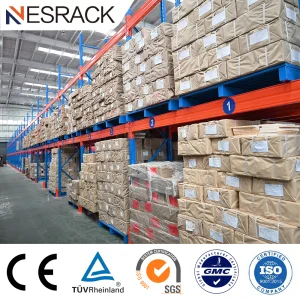
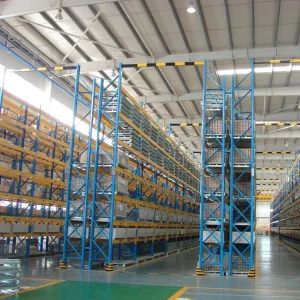
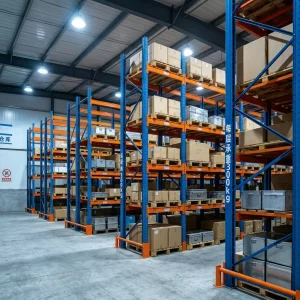
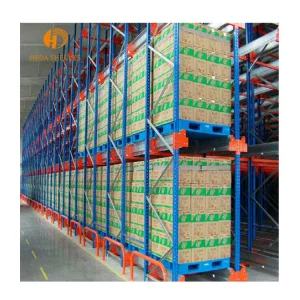
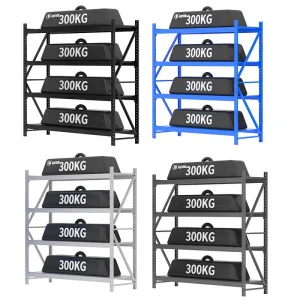
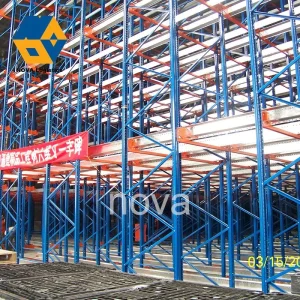
Discover our comprehensive collection of industrial-grade heavy-duty storage racks and automated warehouse configurations.
 LogiSteel Racking