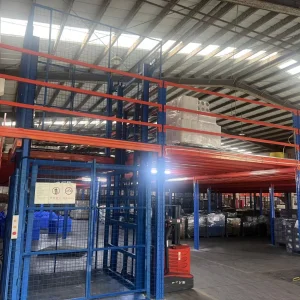
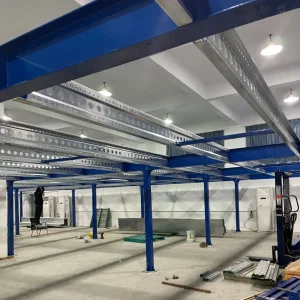
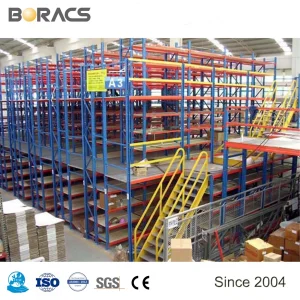
Leverage premium structural grade steel mezzanine floor storage systems engineered to optimize real estate footprint across Japan's major logistics hubs including Tokyo, Osaka, and Nagoya.
Engineered structural platforms designed to bypass high real estate overhead and double warehouse footprint without structural expansion.
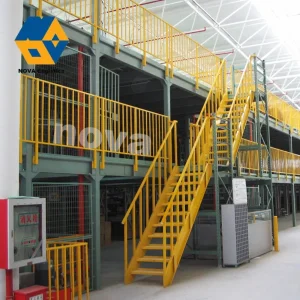
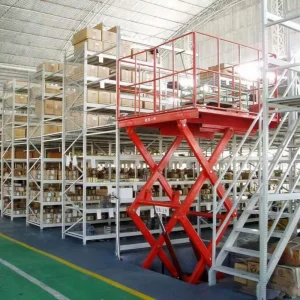
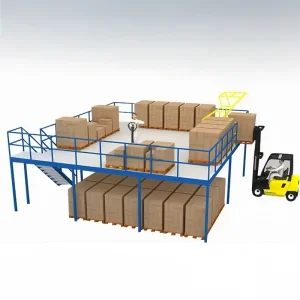
Japan's logistics market is facing an unprecedented spatial challenge. Driven by the rapid growth of e-commerce, third-party logistics (3PL) optimization, and structural changes in supply chains within high-density regions like Tokyo Bay, Osaka Port, and the Greater Nagoya area, prime warehouse space remains at a high premium. Industrial land acquisition costs have risen significantly, forcing enterprises to look upward rather than outward.
Rather than investing in costly civil engineering expansions or new building constructions, modern supply chain strategists are deploying multi-tier mezzanine warehouse racking systems. These systems convert underutilized vertical overhead spaces into active, high-density storage or operations mezzanine platforms. This doubles or triples the usable square footage of a facility within the same footprint.
Our structural steel mezzanine racking systems offer modular designs suitable for modern high-bay warehouses. In Japan, where facility relocation involves significant operational and labor disruption, maximizing existing square meters is a key strategy for maintaining structural supply chain cost control.
Safety is a primary design constraint for industrial racking systems in Japan. The country faces active seismic zones (Nankai Trough, Kanto region), meaning mezzanine structures must comply with strict calculations that align with the Building Standards Act (建築基準法) and JIS (Japanese Industrial Standards).
To ensure compliance, our structural engineering team utilizes advanced finite element analysis (FEA) software. We model dynamically active load states to calculate the horizontal seismic coefficient (Kh) and vertical acceleration forces. Our systems are engineered to withstand Class 6 and 7 seismic activities with minimal structural deformation.
| Design Parameter | Standard Specification | Japanese Seismic Specification |
|---|---|---|
| Steel Grade Profile | Q235B Cold Rolled / Q345B | Premium Q355B / Equivalent to JIS G3101 SS400 |
| Seismic Coefficient (Kh) | 0.10g - 0.15g | 0.20g to 0.40g (Custom engineered by zone) |
| Base Plate Anchorage | Standard expansion bolts | High-tensile chemical anchors (M16/M20) |
| Deflection Criteria | L/250 under static load | L/350 - L/400 (Tighter dynamic deflection limits) |
We integrate heavy-duty base plates, cross-bracing (portal bracing), and thick upright profiles (90*70, 100*80, 120*95) with structural beam connections to ensure the stability of the entire rack structure. This stability is critical for the safety of personnel operating on upper mezzanine floor levels.
Installing multi-tier mezzanine floors inside existing buildings in Japan requires strict compliance with local fire authorities (消防署). The Japanese Fire Service Act outlines criteria for sprinkler layouts, emergency escape distances, smoke ventilation, and structural floor permeability.
A global manufacturer and partner in engineering industrial-grade logistics structures.
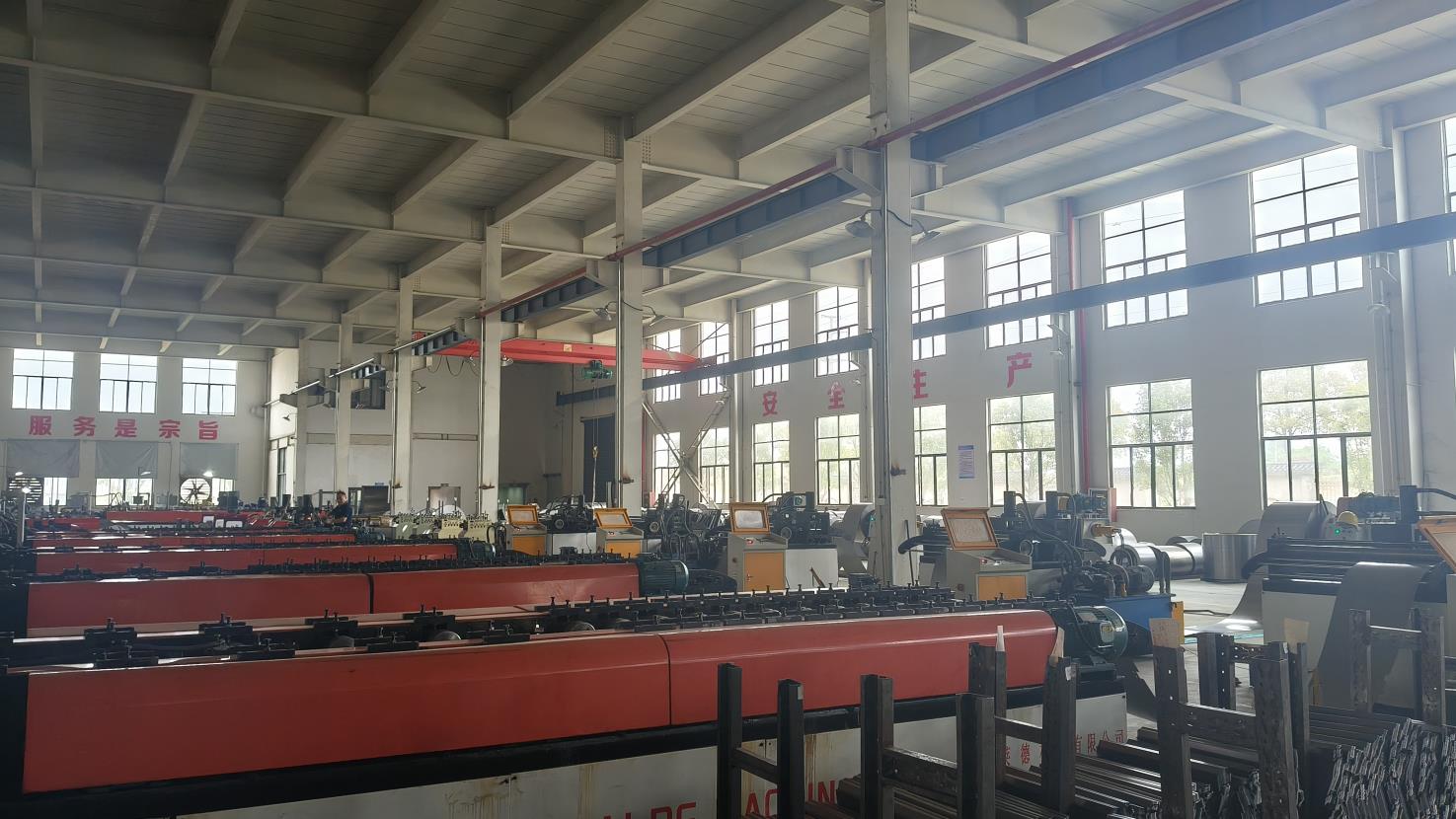
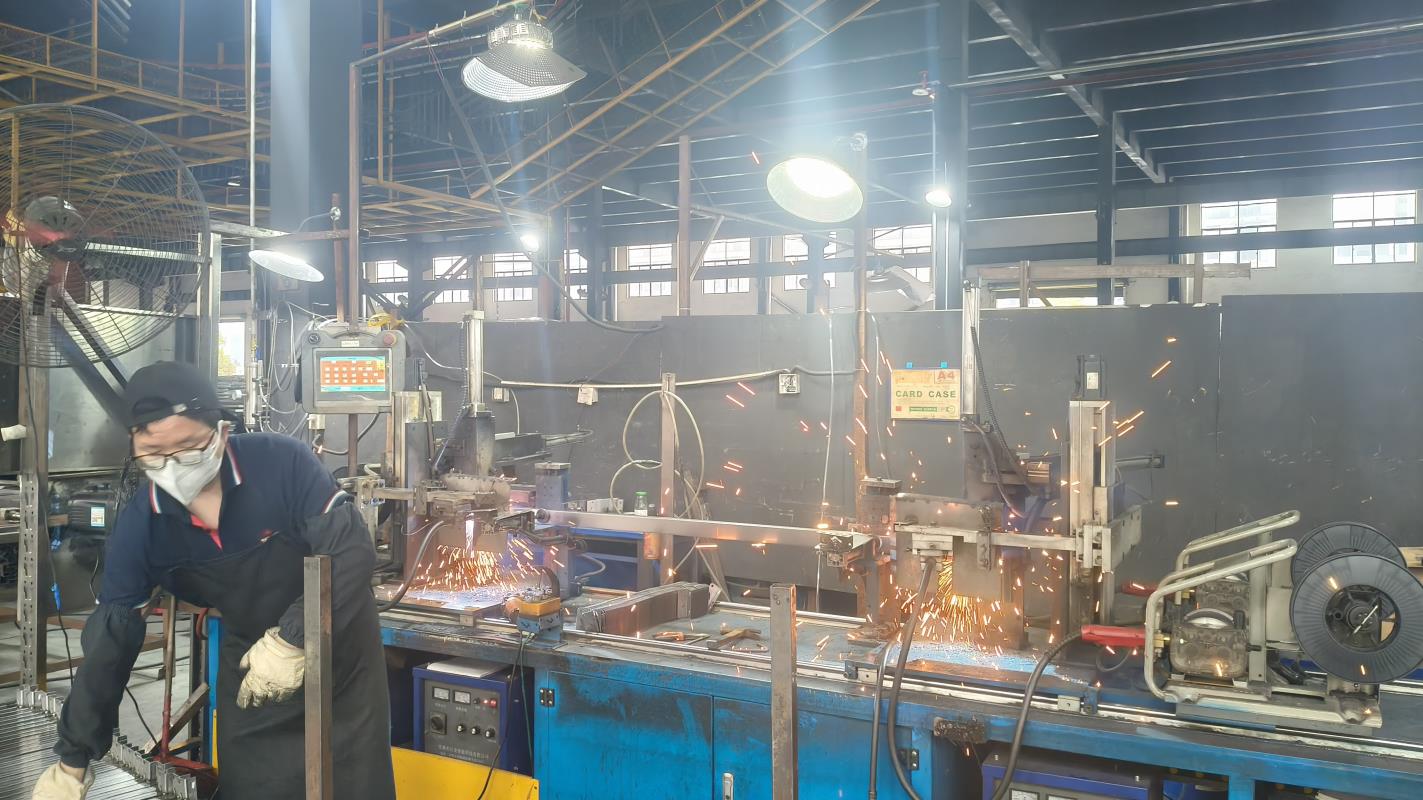
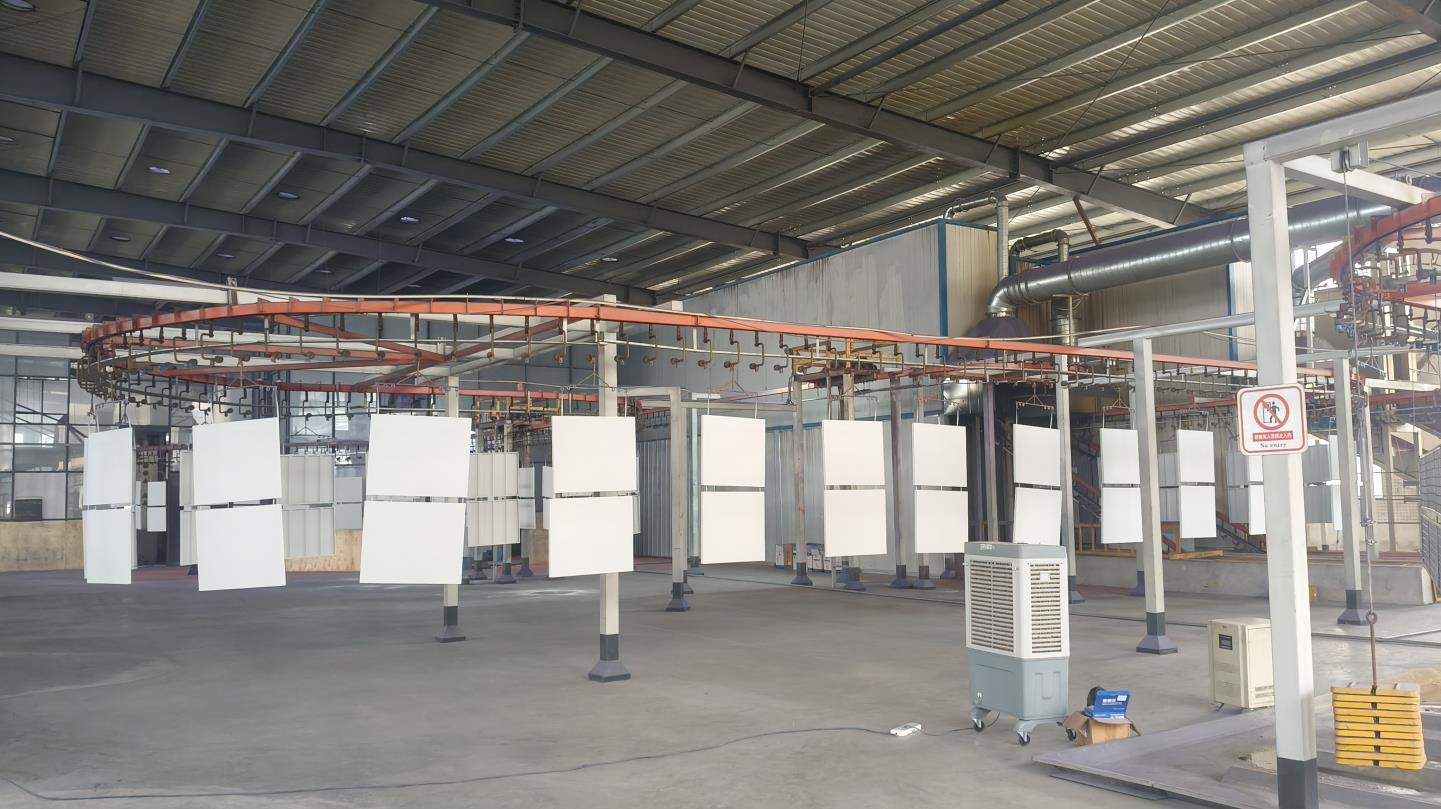
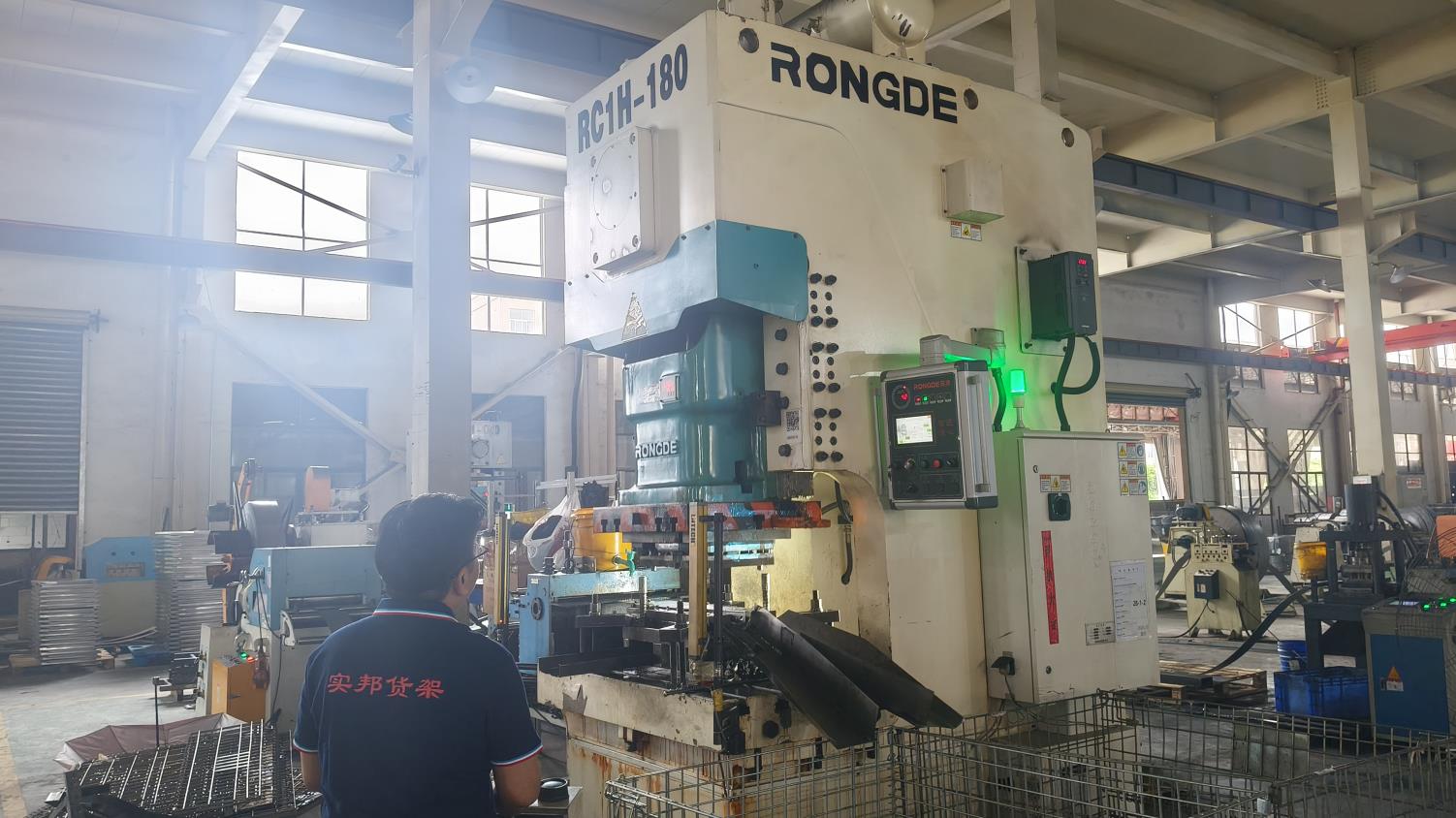
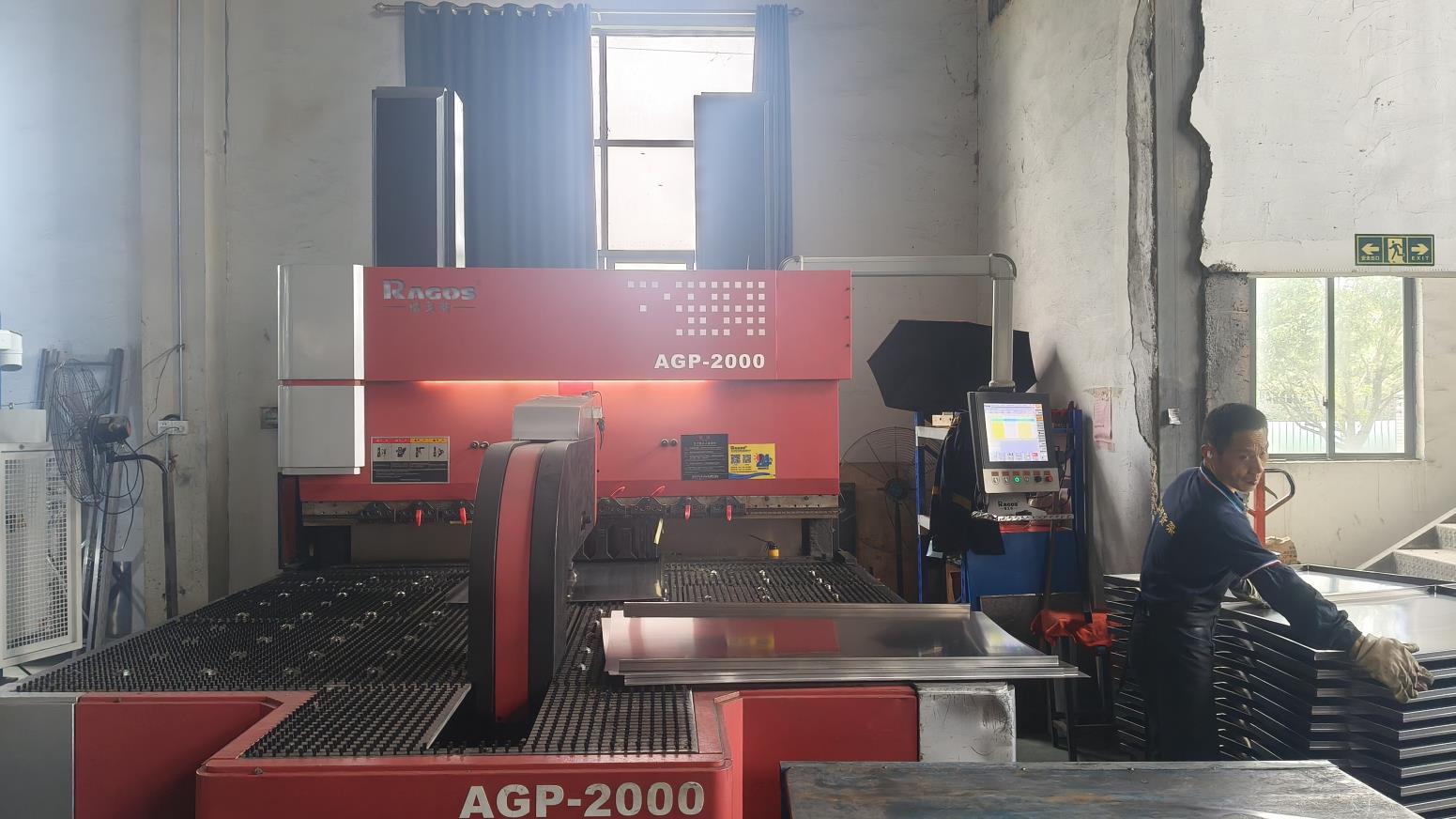
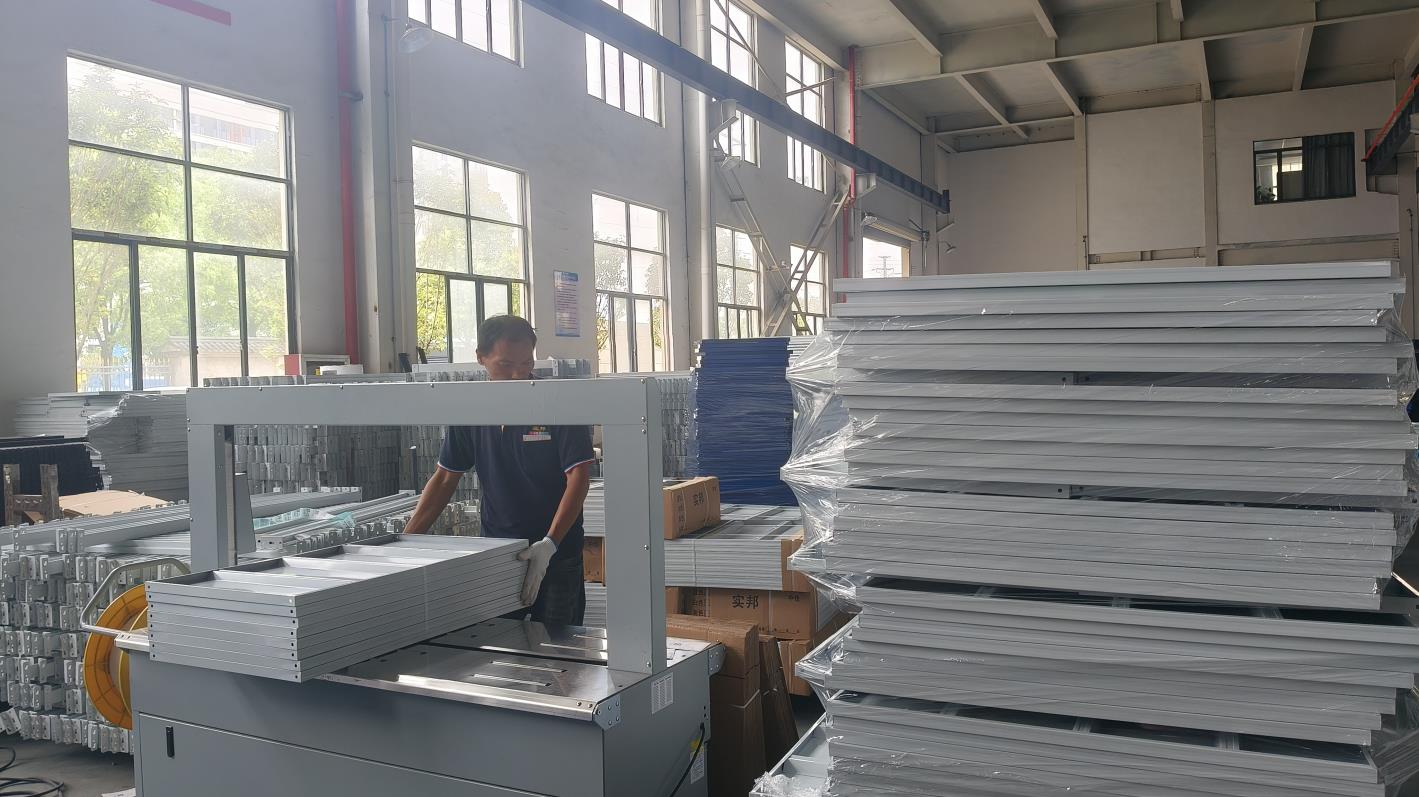
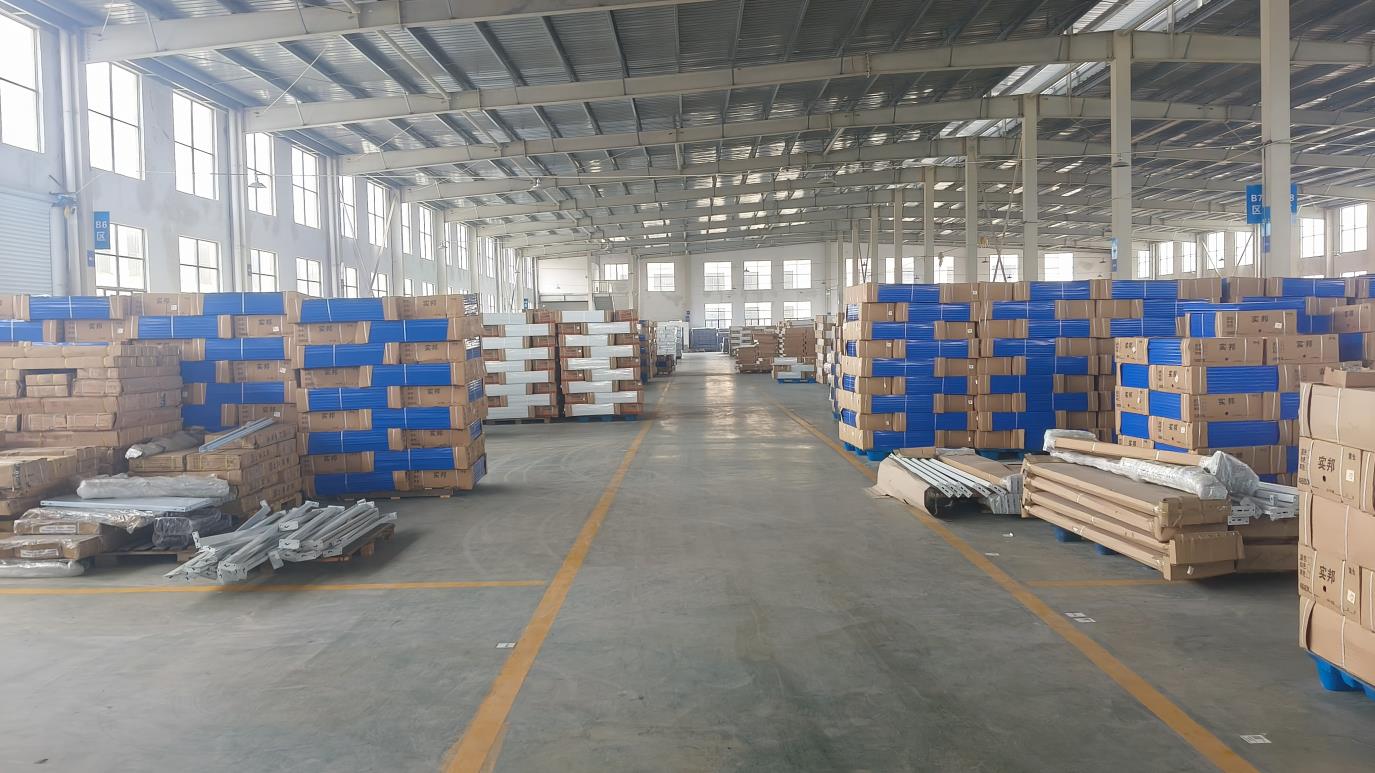
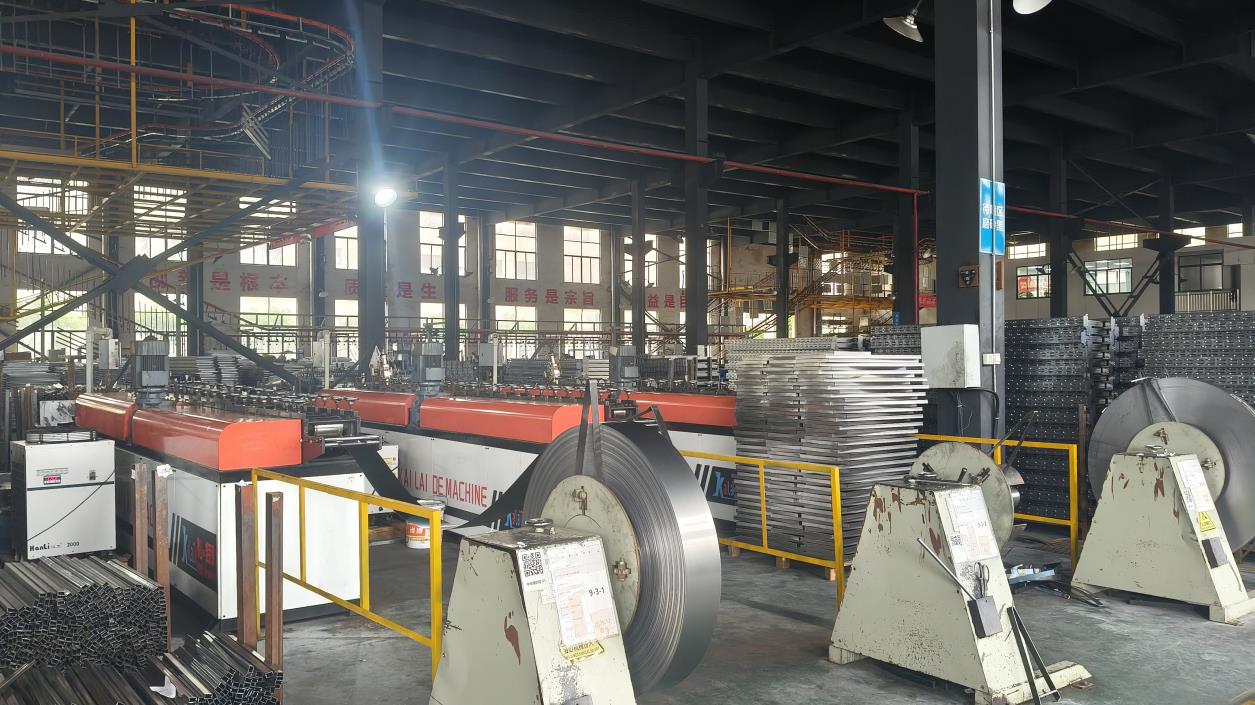
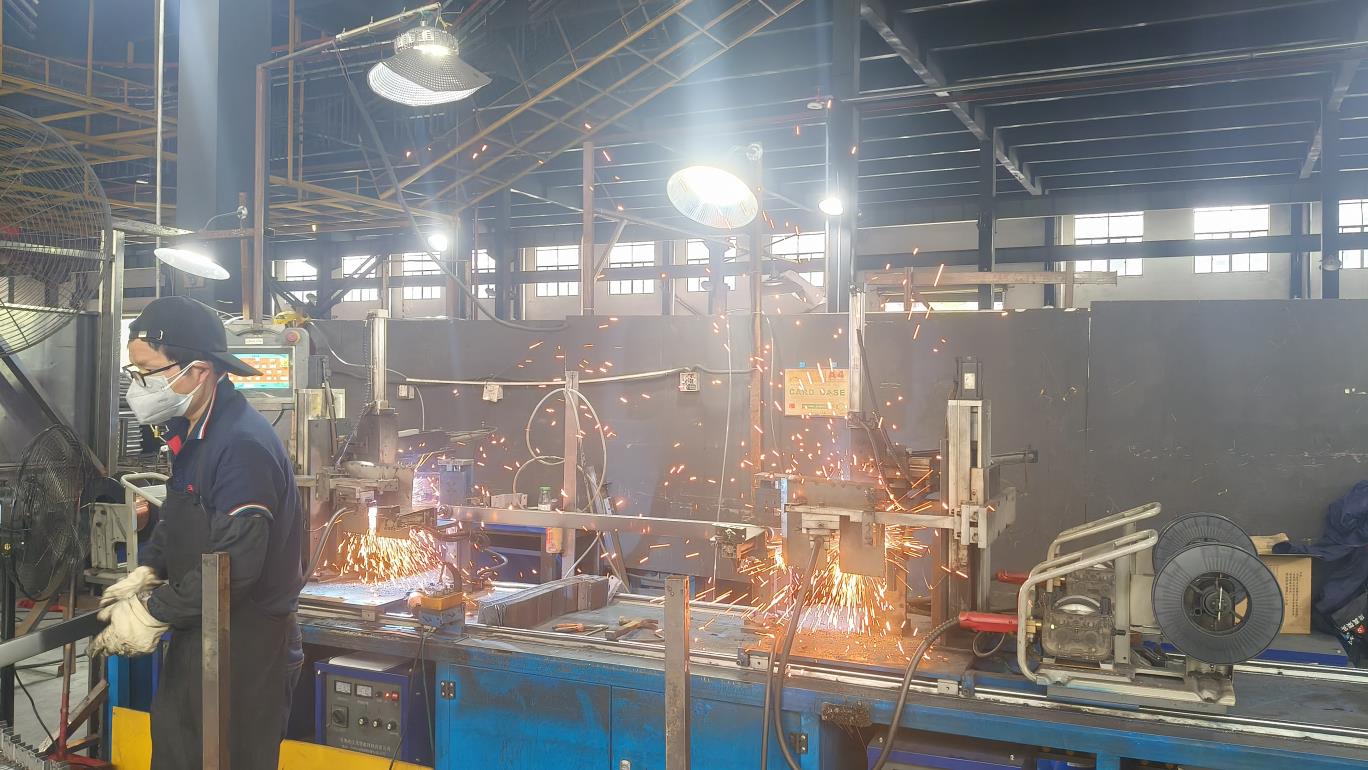
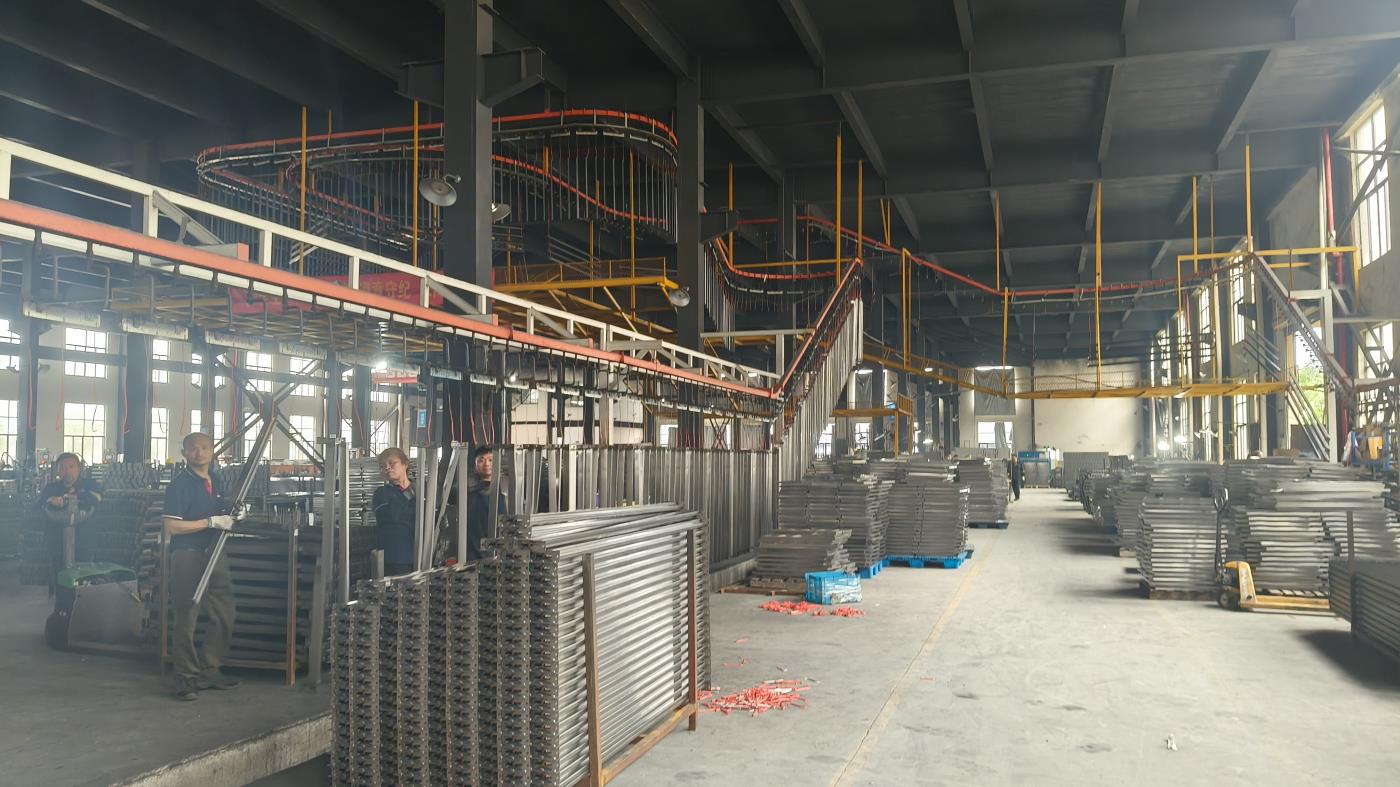
Established as a specialized designer, manufacturer, and supplier in the material handling industry, Guangzhou LogiSteel Racking Co., Ltd. supports industrial operations worldwide. Our modern factory is equipped with automated tube cutters, high-precision punching machines, plate bending lines, robotic welding stations, and an integrated powder coating line. This infrastructure allows us to deliver high-capacity industrial shelving, pallet racking, and complex multi-level mezzanine systems.
We manage the complete project lifecycle, from structural raw material testing (using certified Q235B and Q355B steel profiles) to precise manufacturing and surface treatment. Our distribution network reaches Japan, Europe, Oceania, South America, and the Middle East, offering durable storage solutions designed for reliability and long-term performance.
Integrating future-proof automated machinery with structural steel platforms.
The modernization of Japanese warehouses relies on integration with robotics. Modern fulfillment centers no longer use mezzanine floors solely for manual hand-picking. Instead, these structures serve as dynamic environments for AMRs (Autonomous Mobile Robots), AGVs (Automated Guided Vehicles), high-speed sorting conveyors, and automated hoist systems.
This shift requires specialized structural engineering for the mezzanine decks. Floor deflection, vibrations, joint tolerances, and surface leveling must meet the requirements of robotic wheel tracks and sensor navigation.
Our technical engineering team provides custom designs for:
Our integrated 15,000 square meter facility uses automated manufacturing processes to ensure consistent quality.
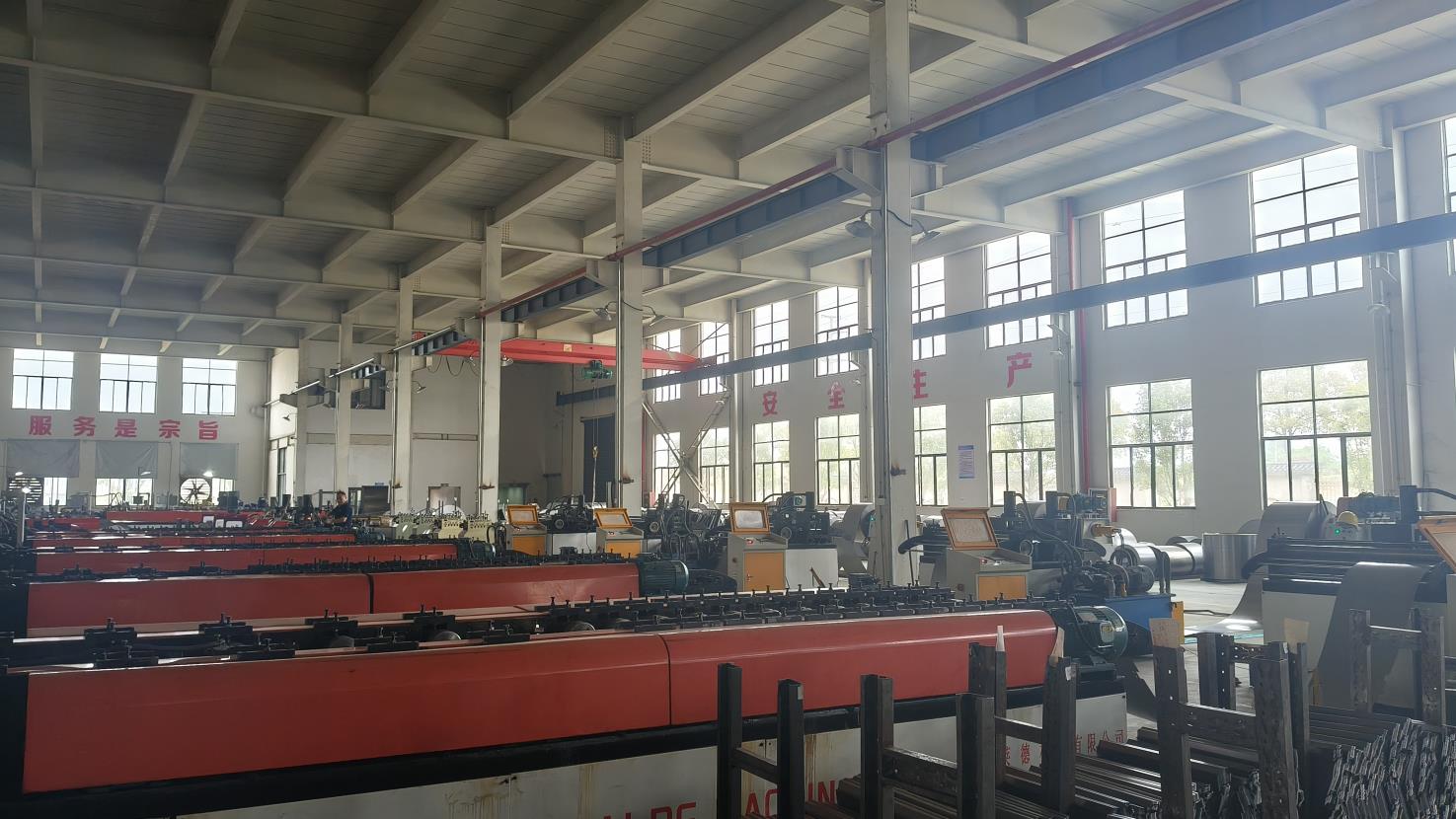
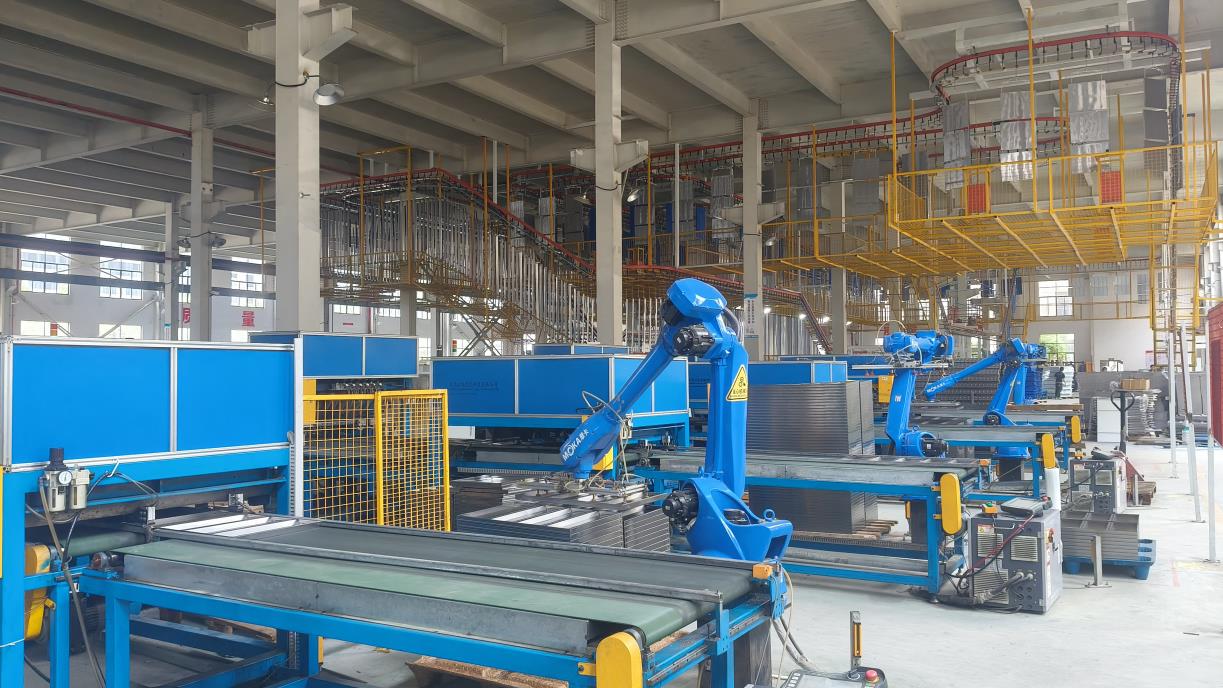
A reliable end-to-end execution path for Japanese and international distribution centers.
Executing an industrial rack installation requires careful planning, technical design, and strict quality control. LogiSteel uses a standardized roadmap designed for projects in Japan to ensure smooth delivery:
Our engineering team analyzes your warehouse drawings, floor slab load capacities, and ceiling clearances. We then generate customized 2D and 3D AutoCAD floor layouts optimized for your workflow.
We run structural calculations based on specific floor loading and regional seismic coefficients. Design reports are compiled to assist with facility permits and internal compliance.
Fabrication takes place in our 15,000 square meter factory. We use computer-controlled processes for rolling, punching, welding, and powder coating, ensuring components meet dimensional tolerances.
Components are packed and shipped in ocean containers to major Japanese ports (Tokyo, Yokohama, Kobe, Osaka). We coordinate with local installation teams to ensure the project is erected and anchored according to specification.
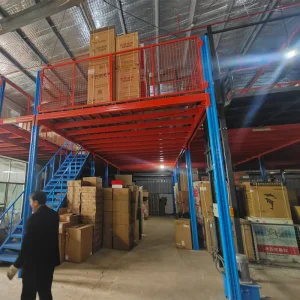
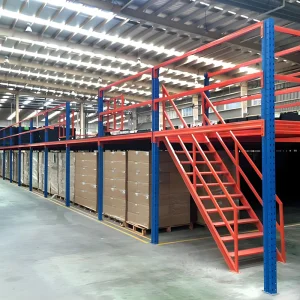
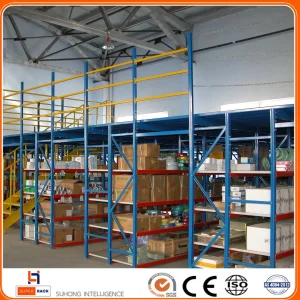
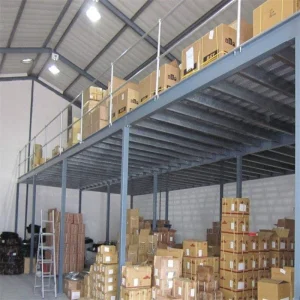
Explore our structural storage platforms, customized grating variations, and integrated hoisting equipment designed for high-capacity warehouse operations.
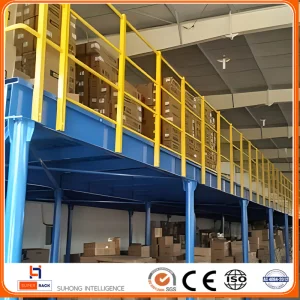
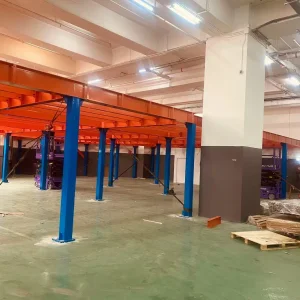
Detailed answers to key questions regarding technical design, local building regulations, and project execution.
 LogiSteel Racking