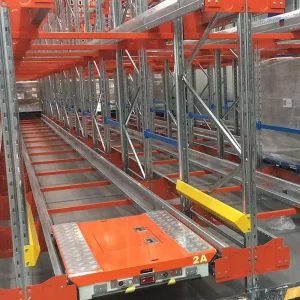
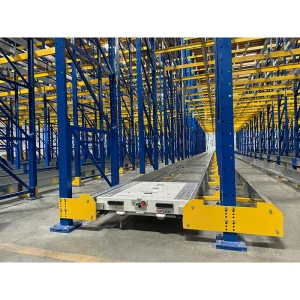
Engineered for cold storage, bulk distribution, and automated workflows across Eastern Creek, Kemps Creek, and Horsley Park logistics corridors.
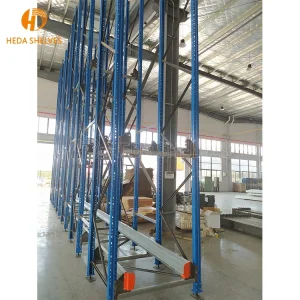
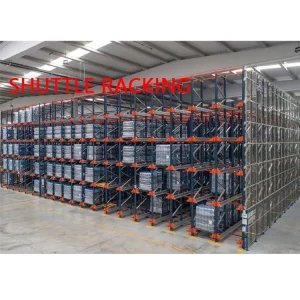
The industrial property market in Greater Sydney, particularly within the Western Sydney logistics precinct (spanning Eastern Creek, Erskine Park, Wetherill Park, and the burgeoning Badgerys Creek Aerotropolis), is undergoing a profound structural shift. Driven by the relentless expansion of e-commerce, FMCG distribution, and third-party logistics (3PL) services, industrial land prices have scaled historic peaks. Consequently, Sydney warehouse operators are facing a critical imperative: maximize volumetric efficiency per square meter while mitigating skyrocketing operational overheads.
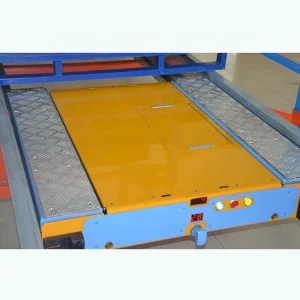
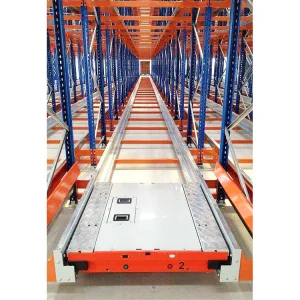
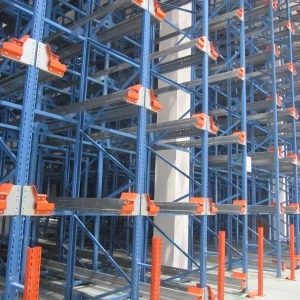
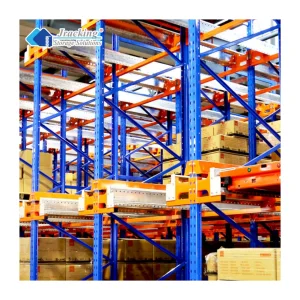
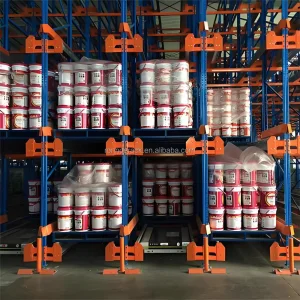
Traditional selective pallet racking systems, while versatile, are increasingly viewed as space-inefficient due to the vast footprint consumed by forklift aisles. Selective layouts typically yield a floor space utilization rate of only 35-40%. In contrast, Radio Shuttle Racking Systems present a high-density, semi-automated storage solution that drives space utilization up to 80-85%. By eliminating the need for forklifts to enter the racking lanes, these systems significantly reduce cycle times, minimize rack collision risks, and optimize labor productivity.
For industrial operators in New South Wales, the transition from manual, low-density storage to automated systems is no longer a futuristic luxury but a near-term operational necessity. Rising warehouse leasing costs in Sydney, paired with severe labor shortages in the material handling sector, demand technologies that reduce reliance on manual forklift operations. Radio shuttle technology serves as the ideal gateway to automation. It allows companies to leverage high-density lane configurations (up to 40+ pallets deep) without the massive capital expenditure and lengthy installation timelines associated with fully automated crane-based ASRS (Automated Storage and Retrieval Systems).
Any racking installation within the Australian market must comply strictly with the local standards. In 2023, Standards Australia released the updated AS 4084:2023 (Steel Storage Racking), splitting it into two parts: Part 1 for Design and Part 2 for Operation and Maintenance. Unlike general European EN standards or American RMI specifications, the Australian standard dictates specific structural load calculations, safety factors, and testing protocols designed to withstand unique local environmental loads, including seismic requirements for Eastern Australia.
For Radio Shuttle Racking, which operates under dynamic load profiles (as the automated cart moves heavy pallets along the racking rails at speeds up to 1.5 m/s), dynamic structural analysis is critical. The engineering requirements include:
LogiSteel offers both 2-Way (forward/backward movement within a lane) and advanced 4-Way (omni-directional movement across aisles and lanes) shuttle systems. The table below highlights the operational trade-offs for Sydney buyers:
| Feature | 2-Way Radio Shuttle | 4-Way Multidirectional Shuttle |
|---|---|---|
| Movement Plane | X-Axis (Linear Deep Lane) | X-Y Axis (Horizontal Matrix) |
| Forklift Integration | Required to transfer cart between lanes | Autonomous transfer via vertical lifts |
| SKU Selectivity | Medium (1 SKU per lane) | High (Access to any pallet in matrix) |
| Typical Application | FMCG, Food & Beverage, Cold Rooms | E-commerce fulfillment, dense 3PL hubs |
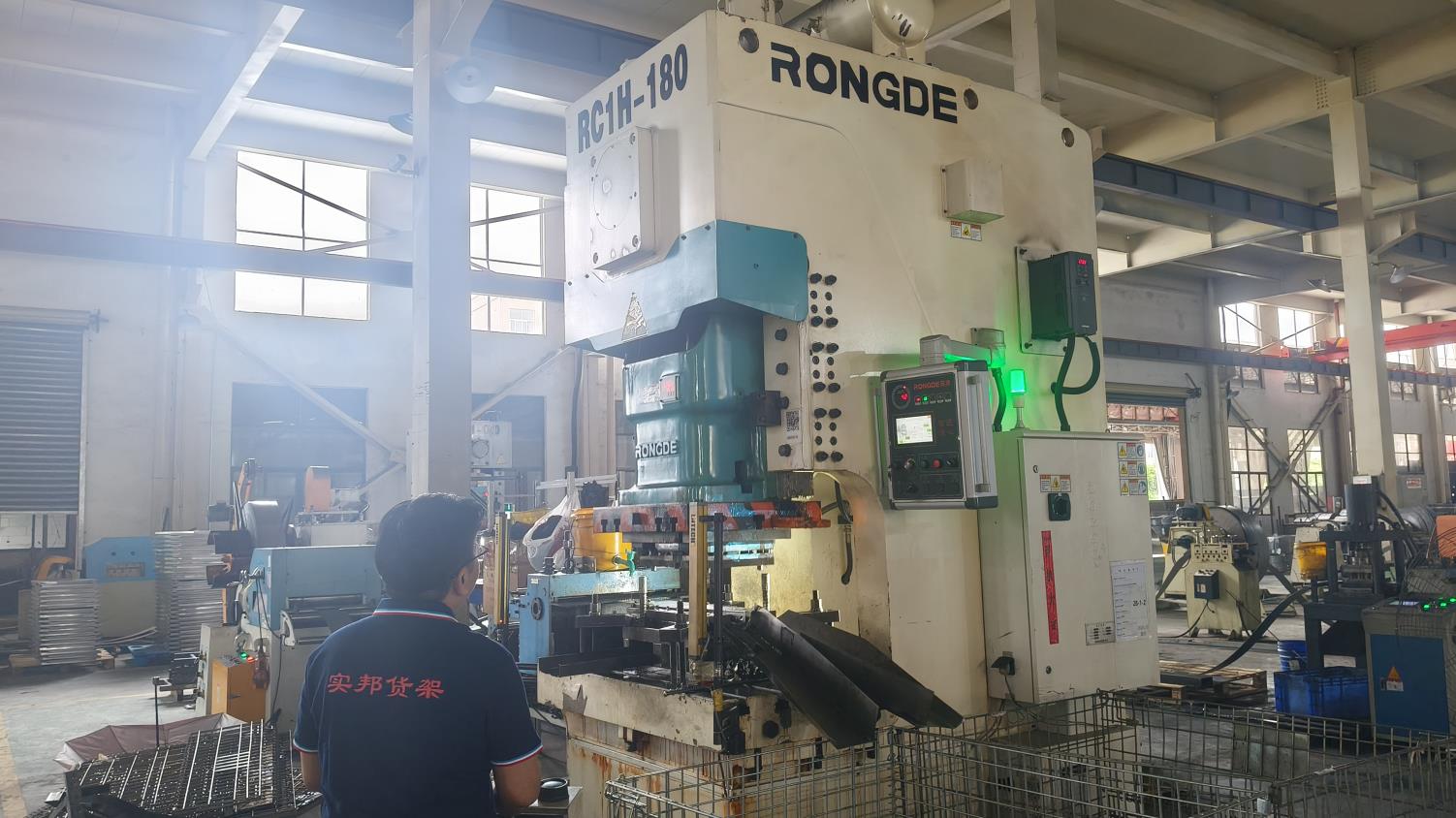
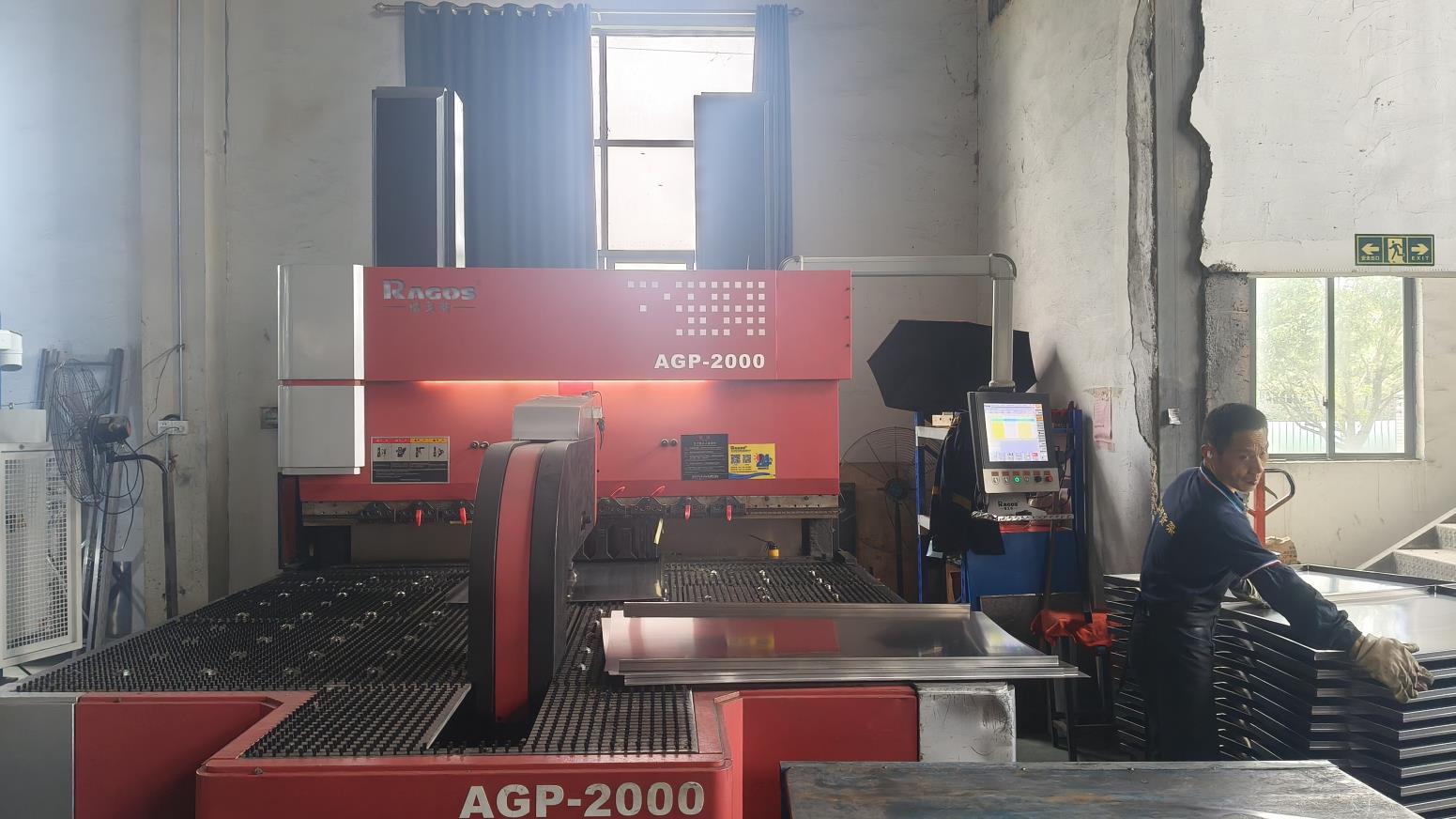
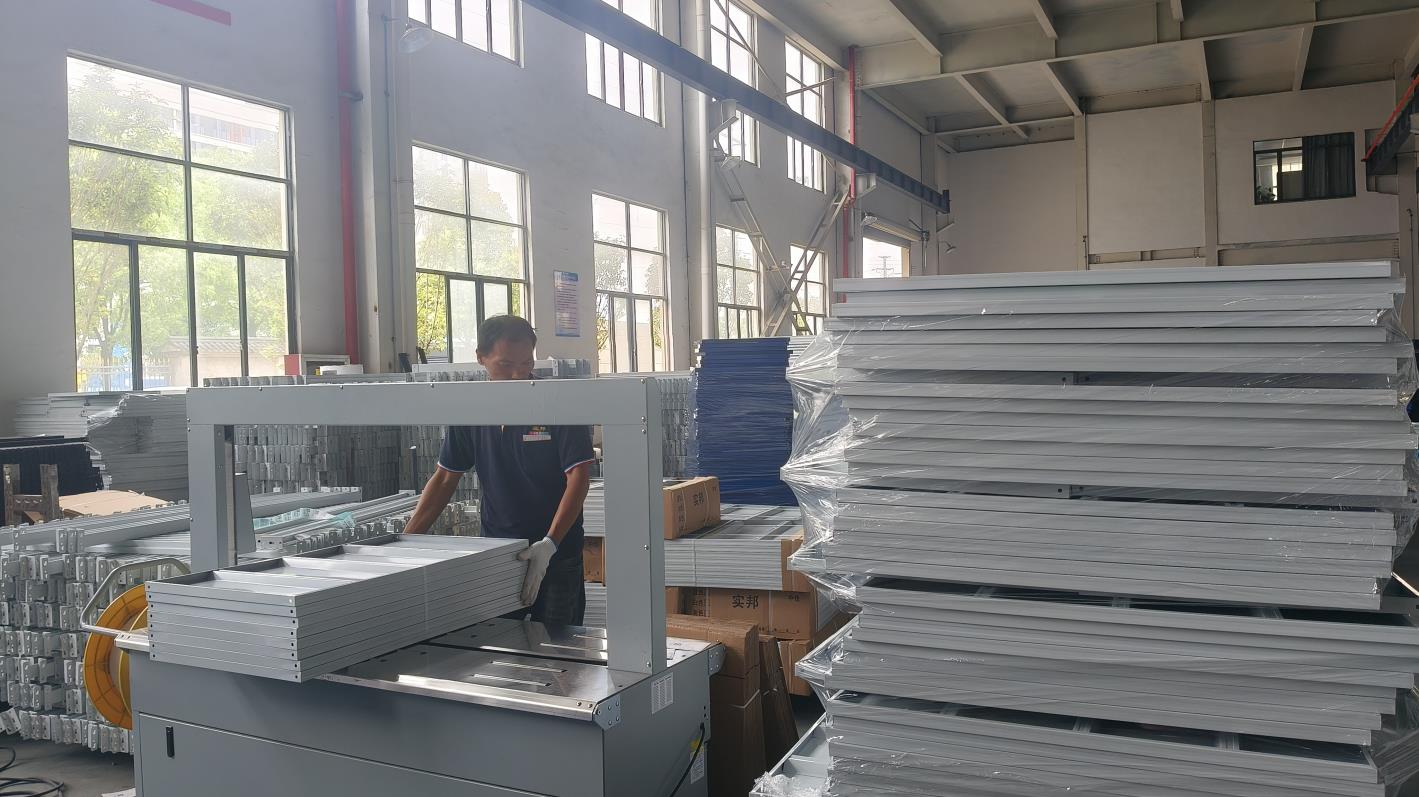
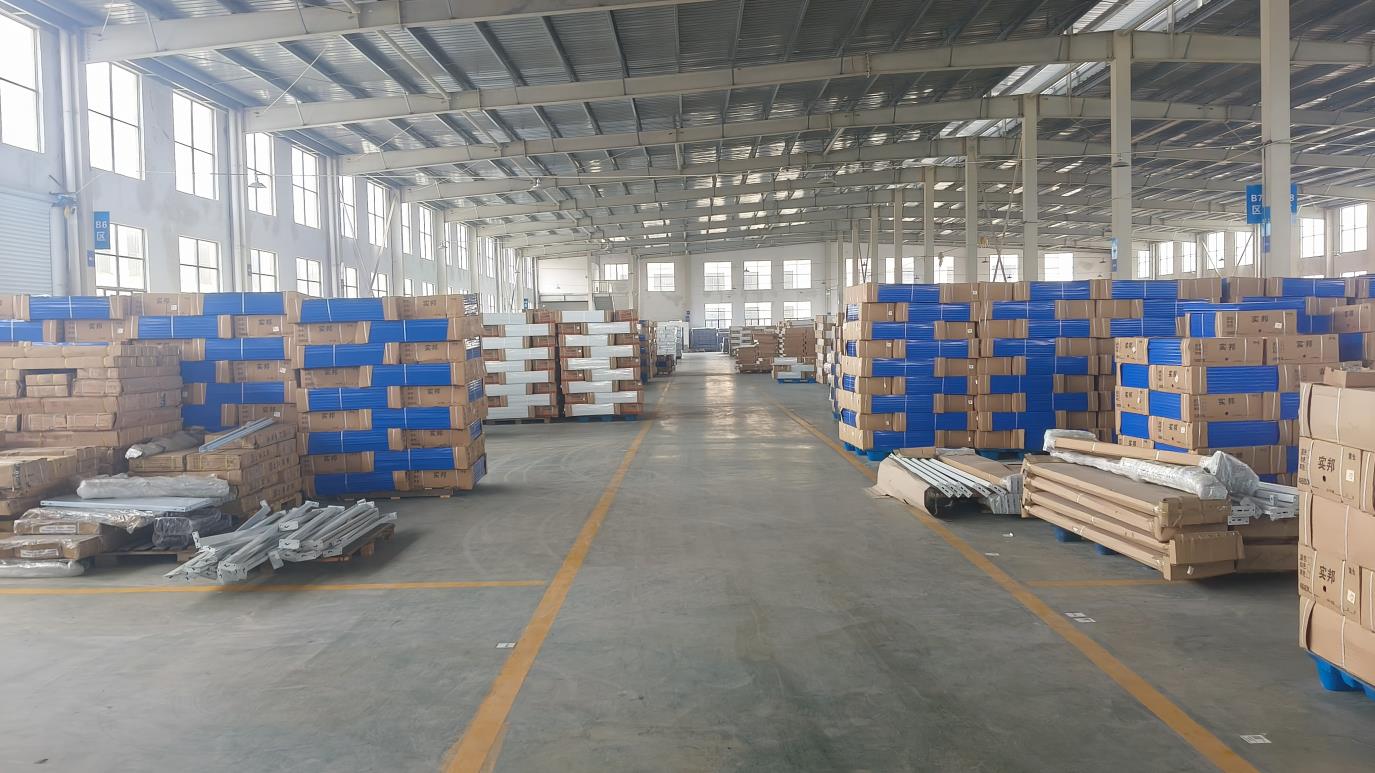
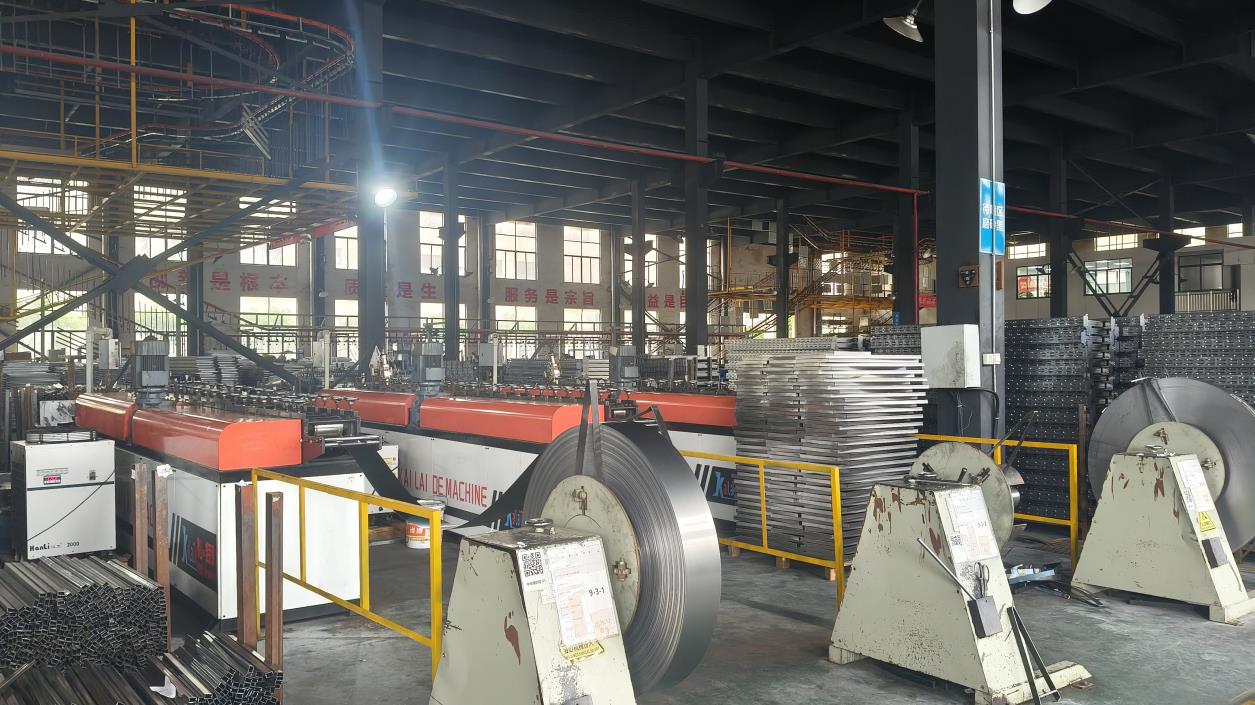
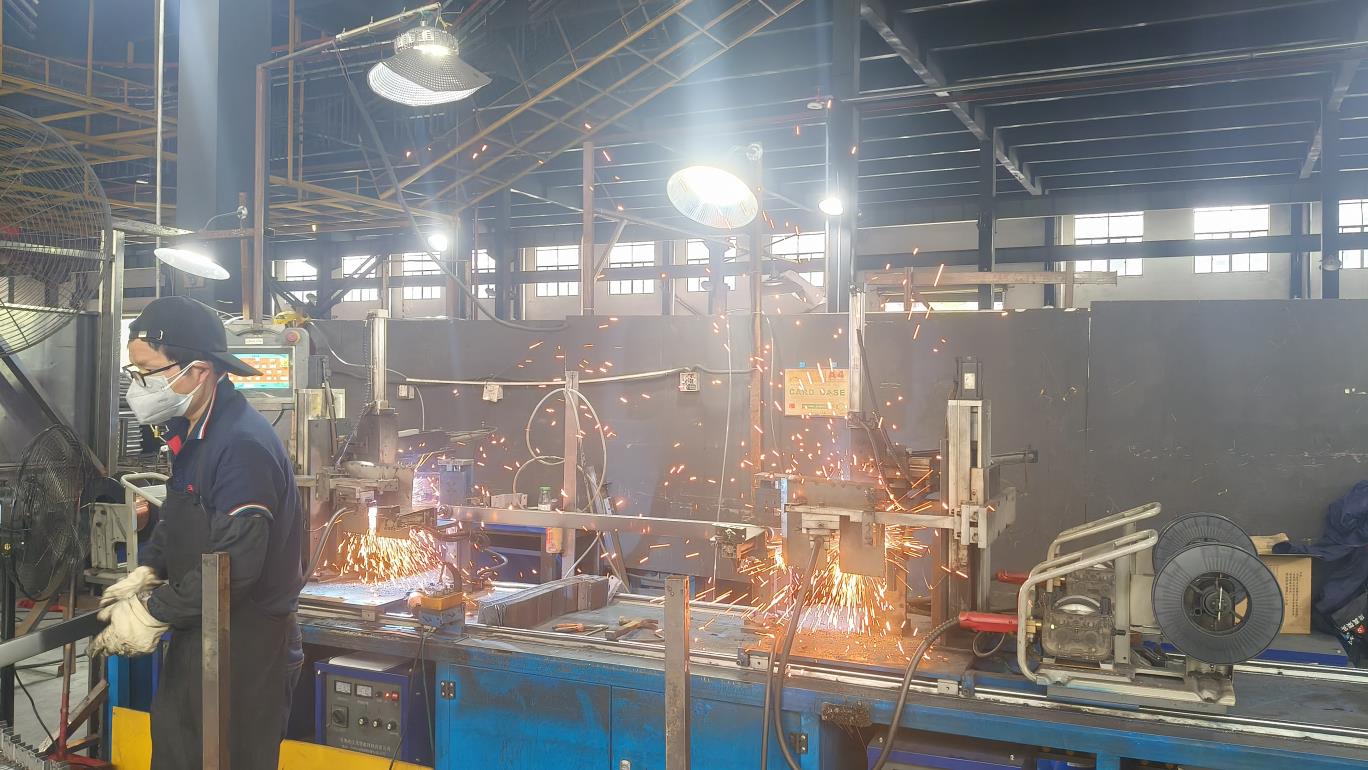
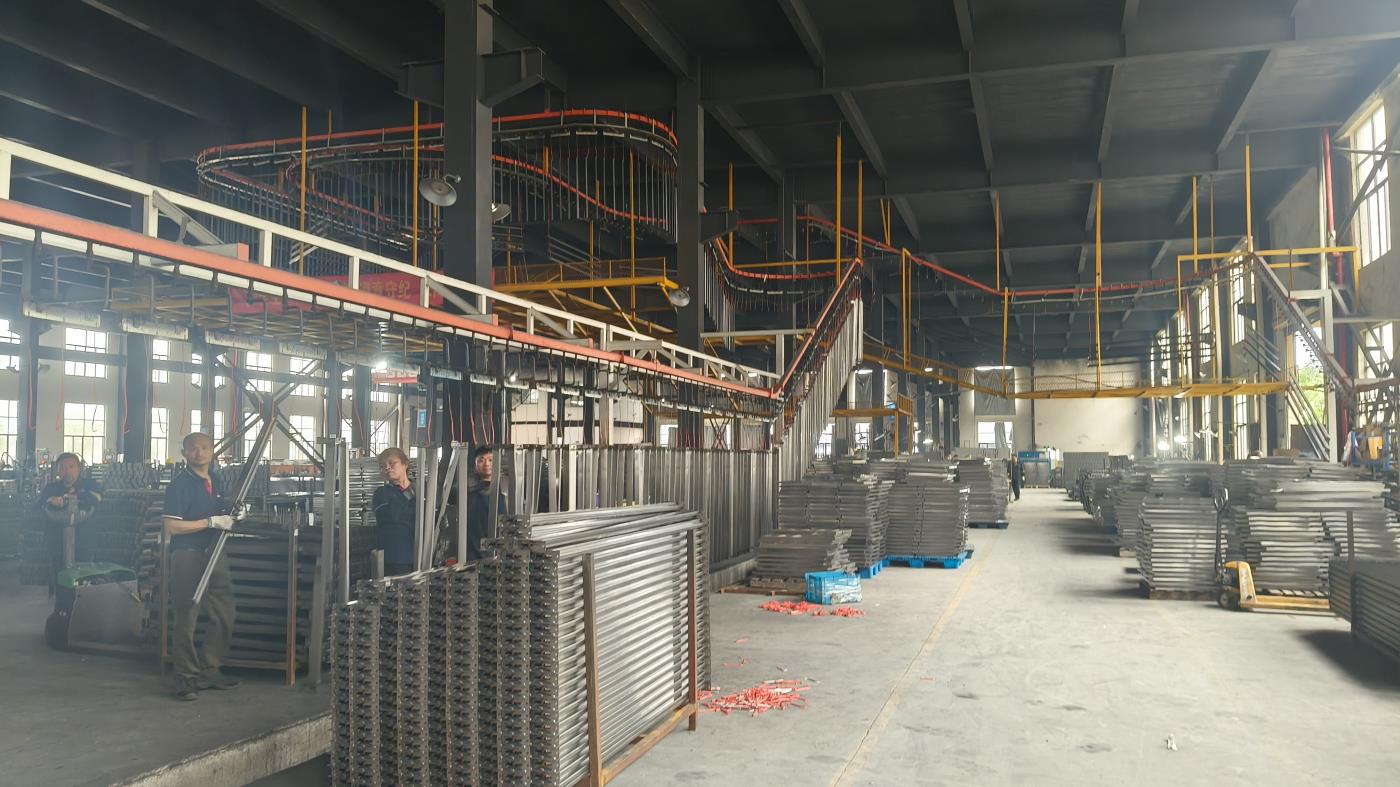
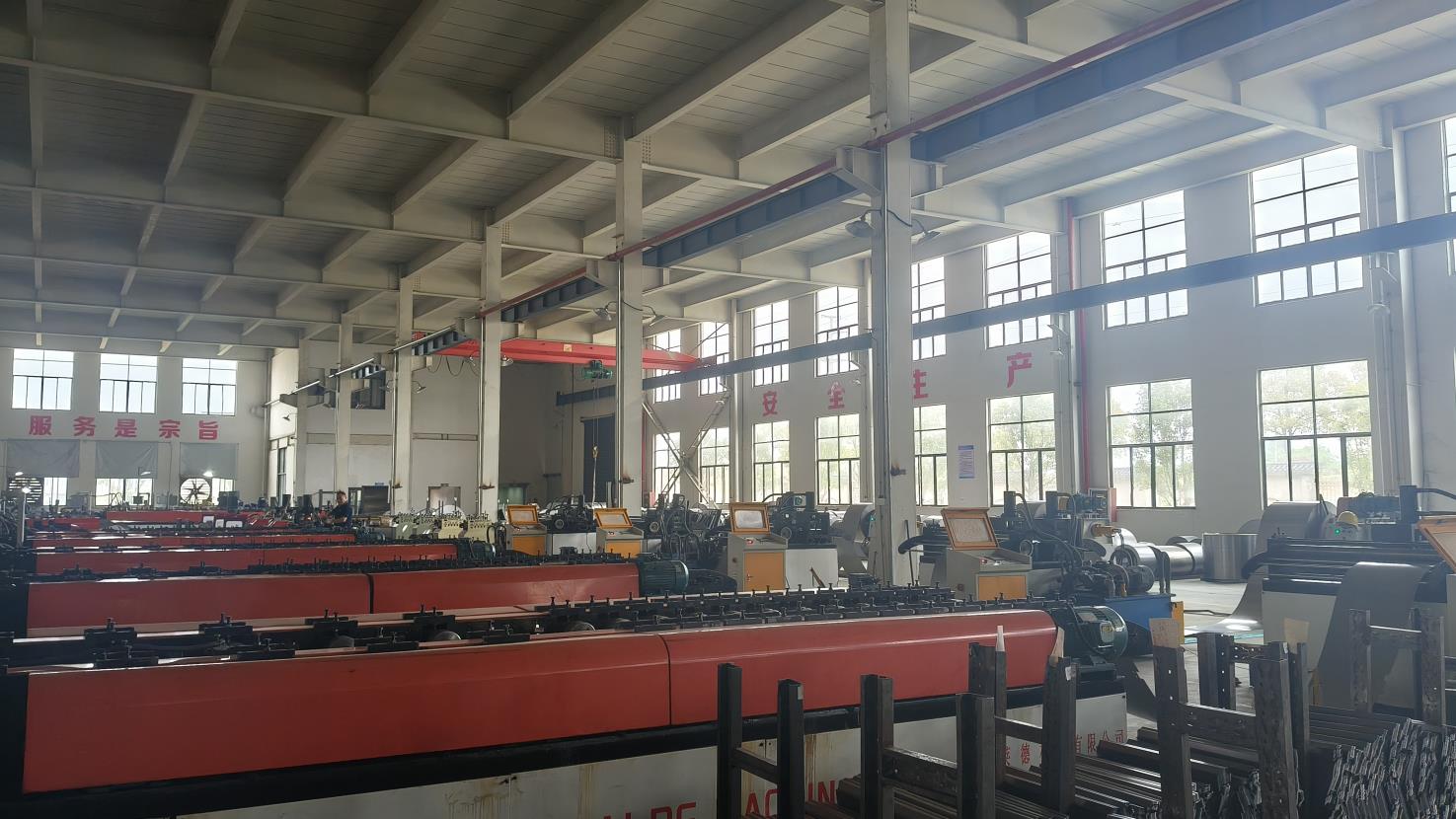
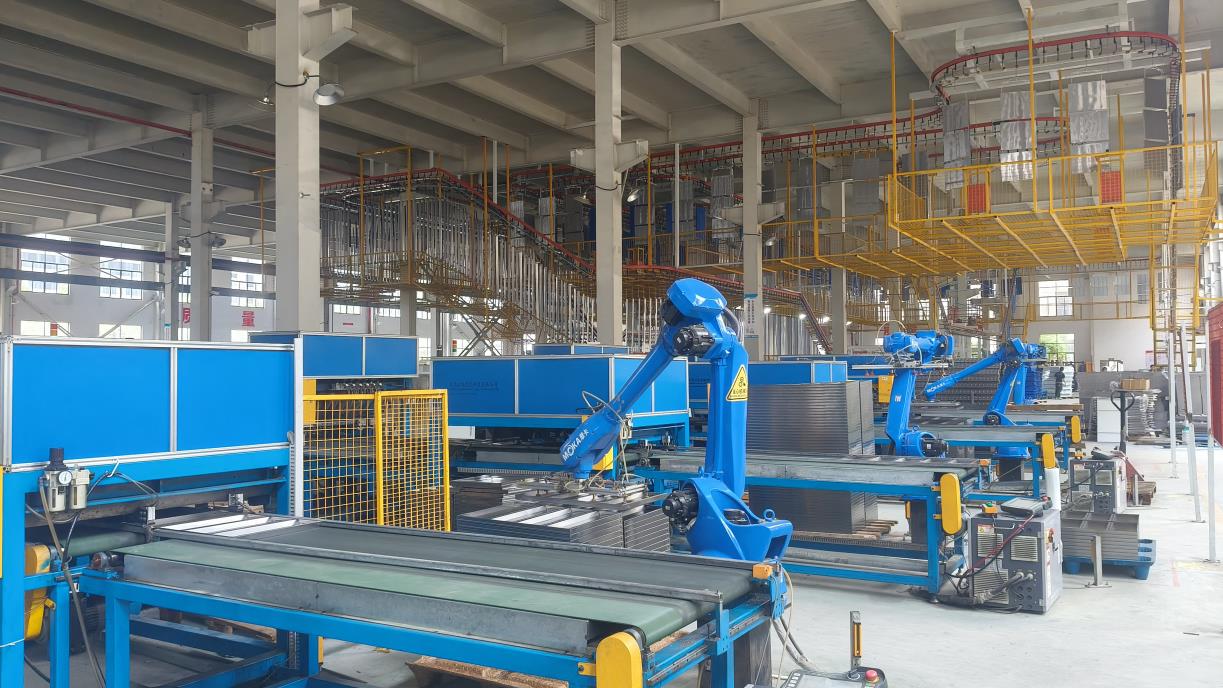
Under our strict manufacturing philosophy, we transform high-grade raw steel into high-precision structural racking at our 15,000+ sqm state-of-the-art facility.
Guangzhou LogiSteel Racking Co., Ltd. is a professional manufacturer specializing in the design, production, sales, and installation of various types of storage racking systems, display stands, and supermarket equipment. Over the years, LogiSteel has developed into a reliable supplier in the material handling and retail display industry. Our factory covers an area of more than 15,000 square meters and employs over 200 skilled workers and technical staff.
With strong technical capabilities and advanced production equipment—including tube cutting saws, tube punching machines, guillotine shears, hydraulic punching machines, plate bending machines, and spot welding machines—we ensure high efficiency and precision throughout the manufacturing process. Our products are widely used in warehouses, logistics centers, supermarkets, retail stores, and industrial facilities globally. Guangzhou LogiSteel Racking Co., Ltd. has built a strong global presence, with partners and distributors across Oceania, Asia, Europe, South America, and the Middle East, generating an annual revenue exceeding 15 million USD.
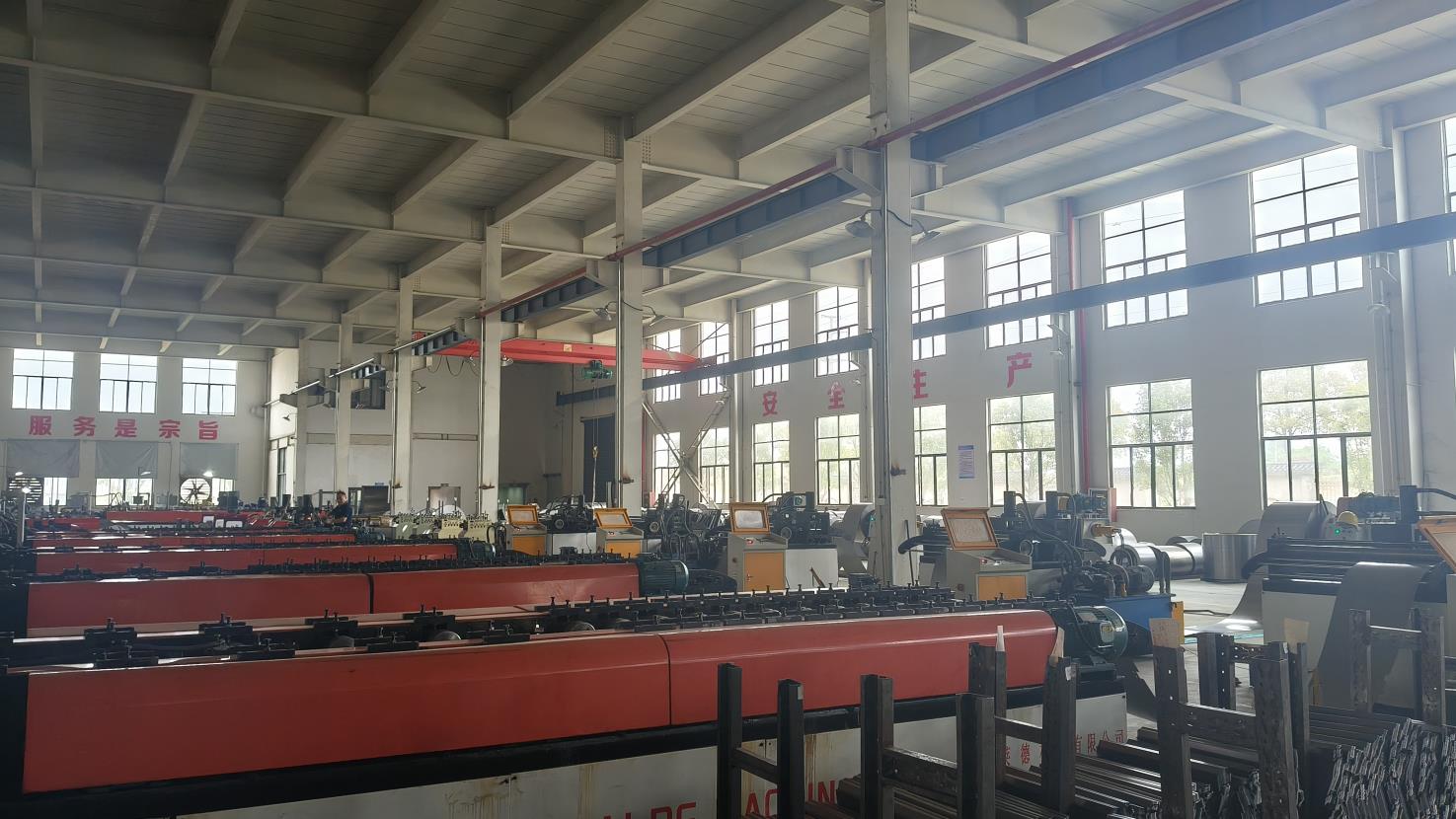
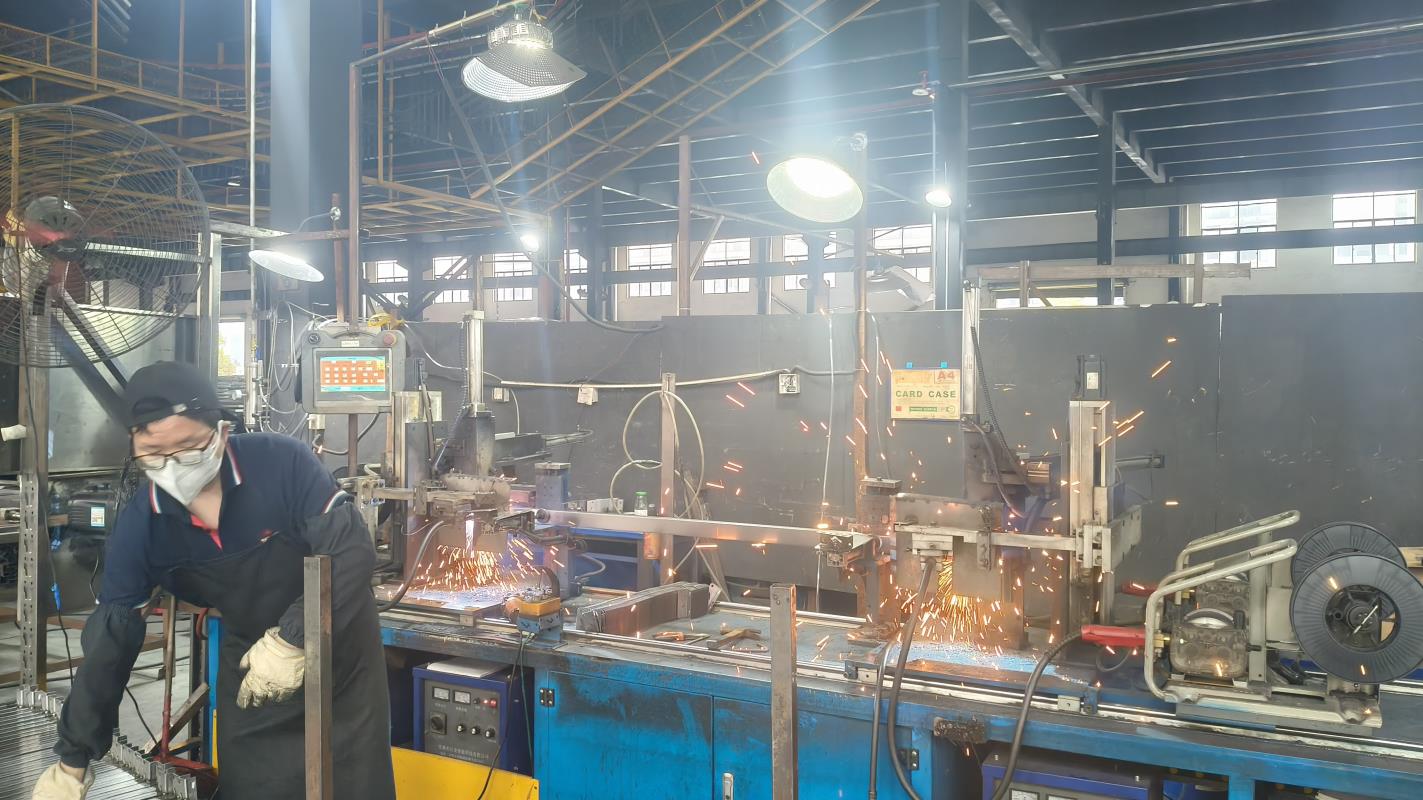
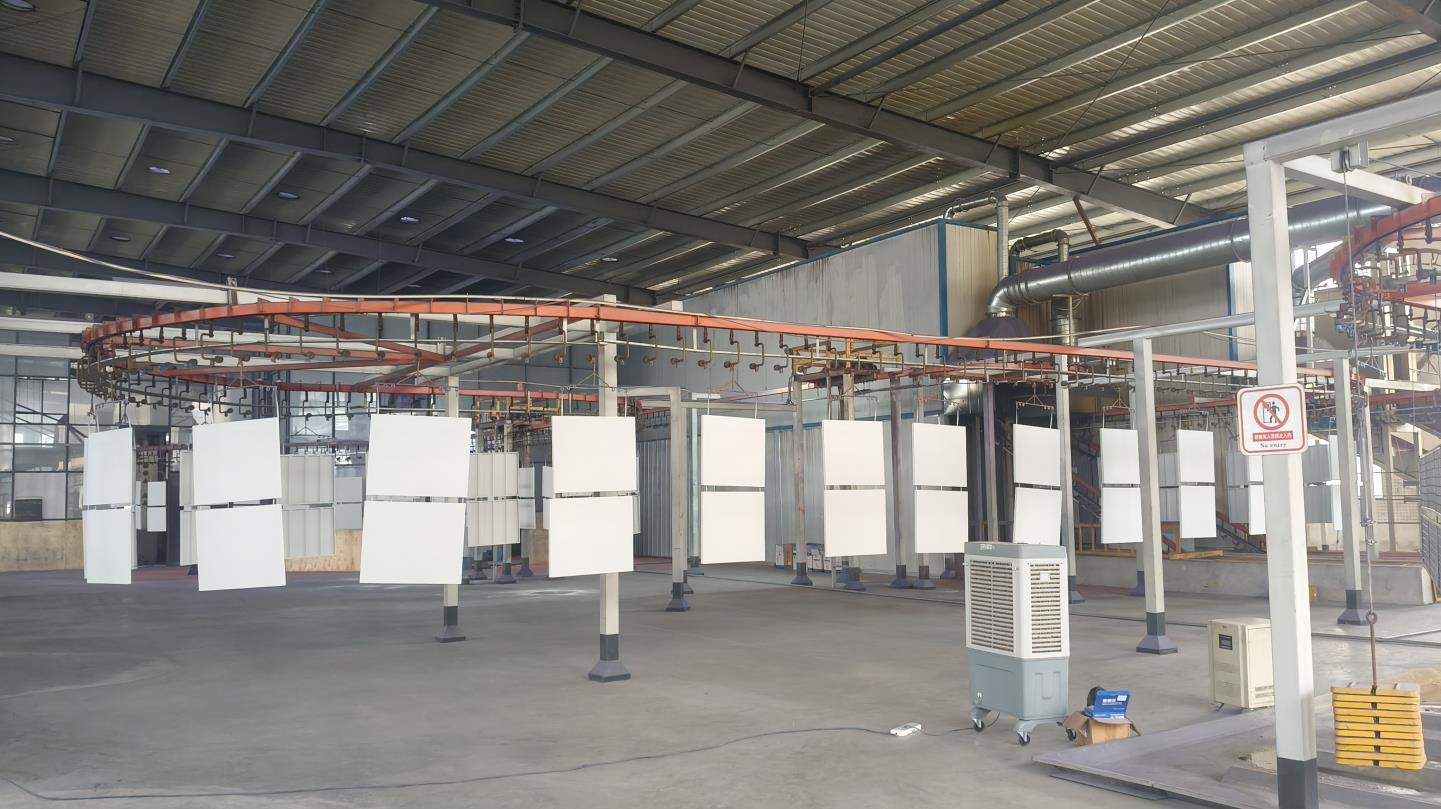
Procuring industrial racking systems directly from a leading manufacturer like LogiSteel offers significant cost efficiencies, but requires thorough logistics planning. The supply chain pipeline from our South China manufacturing plant to Sydney Port Botany is engineered for speed, safety, and transparency.
Our team manages the entire process from structural design and factory validation, to container packing and maritime logistics. Due to the high density and weight of steel racking components (beams, upright frames, and shuttle rails), we utilize heavy-duty container loading configurations. Our components are bundled using high-tensile steel banding, wrapped in protective heavy-gauge polymer film, and supported by custom timber blocking to prevent movement during ocean transit.
Typical lead times for the Sydney market average 6 to 8 weeks, encompassing manufacturing, custom packaging, customs clearance at both origin and Port Botany, and local transport to your facility. We support diverse commercial terms including FOB (Free on Board), CIF (Cost, Insurance, and Freight), and DDP (Delivered Duty Paid), ensuring seamless integration with your internal procurement strategies.
The core technology behind radio shuttle systems is evolving rapidly. Key advancements are enhancing energy density, wireless communication speed, and software intelligence. LogiSteel is at the forefront of these technological milestones:
Early-generation shuttle carts relied on heavy lead-acid batteries, which suffered from rapid voltage drop in cold environments. Modern LogiSteel shuttles utilize lightweight LiFePO4 batteries with integrated Battery Management Systems (BMS). These cells charge fully in under 3 hours, provide 8-10 hours of continuous operations, and deliver reliable performance in sub-zero temperatures (down to -25°C for cold storage applications).
Our shuttle carts are equipped with industrial-grade Wi-Fi modules that communicate directly with your Warehouse Management System (WMS) and Warehouse Control System (WCS). This enables real-time inventory tracking, remote diagnostic monitoring, and automated product zoning based on SKU turnover velocity.
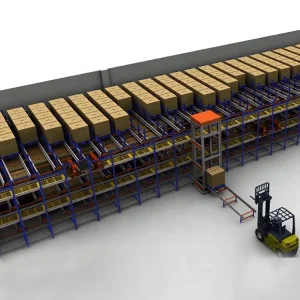
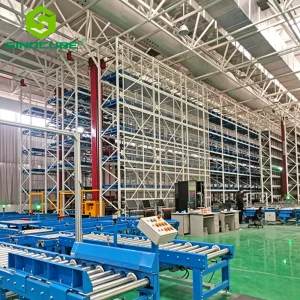
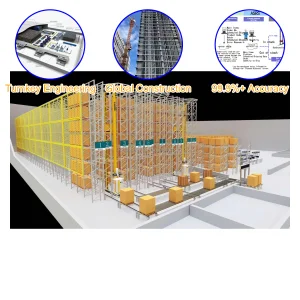
The future of high-density warehousing is hybrid automation. By pairing radio shuttle racking with vertical stacker cranes or automated guided vehicles (AGVs), warehouses can achieve fully autonomous operations. The shuttle manages horizontal pallet movements within deep storage lanes, while the AGV or crane handles high-speed vertical and main-aisle transport.
Explore our diverse range of radio shuttle, automated storage, and heavy-duty industrial racking configurations engineered for compliance and high performance.
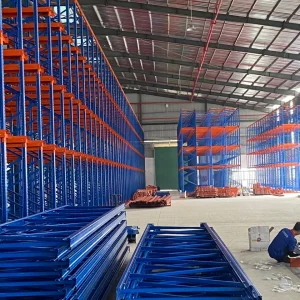
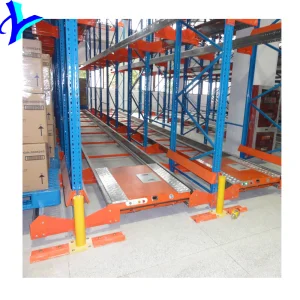
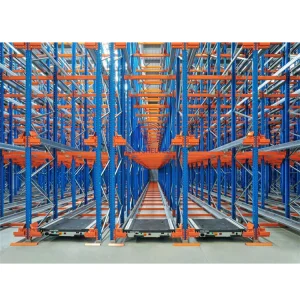
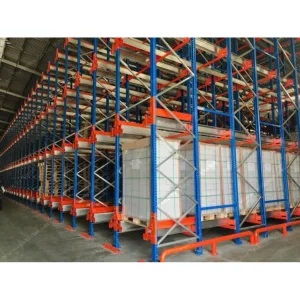
Deploying a dynamic semi-automated storage system in Sydney requires more than importing high-quality steel. Safe operation and regulatory compliance depend on professional installation, load capacity sign-off, and routine safety audits.
LogiSteel partners with local, certified Australian structural engineers to review rack designs, verify beam load capacities, and check floor-slab compatibility. This ensures every project satisfies AS 4084:2023 requirements and meets SafeWork NSW safety guidelines.
During the installation phase, our engineering teams provide comprehensive technical support and layout schematics. We also work alongside local certified installation crews to ensure vertical uprights, shuttle rails, and safety sensors are calibrated to millimetre-level tolerances. Upon completion, we provide formal Load Capacity Plaques detailing safe working limits, beam level configurations, and shuttle operational parameters.
Get answers to critical operational, regulatory, and technical questions regarding automated pallet racking deployment in Australia.
Transform your high-density logistics storage with our compliant, reliable, and cost-effective Radio Shuttle systems. Contact our engineering team for a customized layout drawing, structural consultation, and direct factory pricing.
Send Inquiry Now LogiSteel Racking