Discover our leading-edge warehouse systems designed to optimize density, spatial utilization, and product throughput across various industrial configurations.
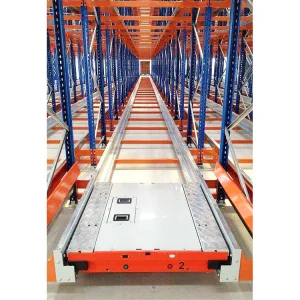
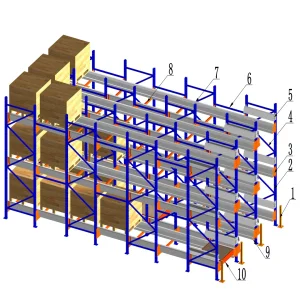
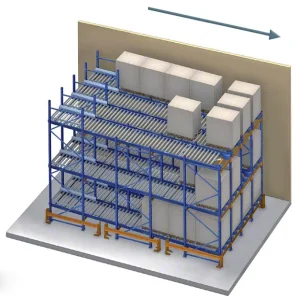
In the era of globally integrated logistics and skyrocketing commercial real estate valuations, structural space optimization has transitioned from a operational metric to a core business imperative. Push back system architectures represent a peak technological solution within this dynamic, offering the perfect balance between storage density and product selectivity. Operating on a Last-In, First-Out (LIFO) inventory flow mechanism, push back racking utilizes a system of nested carts that glide along inclined structural steel rails under the control of gravity.
By eliminating dedicated forklift access aisles required by traditional selective racking systems, industrial operators can experience a volumetric density improvement of up to 90%. Structurally, when a forklift operator deposits a pallet onto the top nested cart, it smoothly pushes the trailing carts backward into the depth of the lane. During retrieval, the withdrawal of the front pallet triggers a controlled gravity-fed descent, bringing the subsequent pallets forward to the picking face. This physical mechanism dramatically reduces forklift cycle times, minimizes structural rack impact risks, and optimizes operational safety profiles.
"The strategic implementation of high-density storage solutions is no longer just about packing more boxes—it is a vital calculation of throughput dynamics, building thermodynamics, and structural engineering integrity."
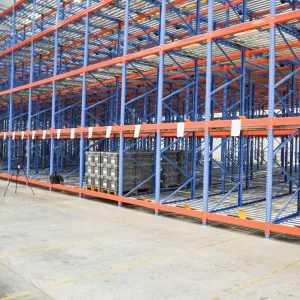
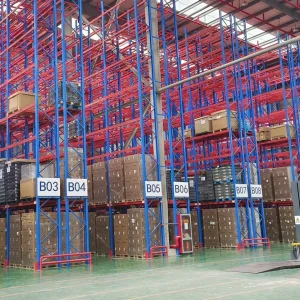
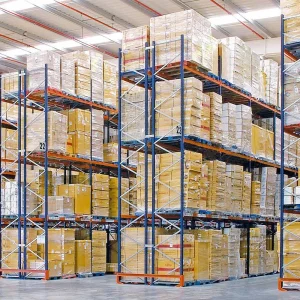
Across global industrial domains, push back rack configurations are widely integrated into temperature-controlled facilities, food and beverage distribution hubs, pharmaceutical repositories, and automotive parts warehouses. The physical design of these systems allows for customizable multi-lane depths (typically ranging from 2-deep to 6-deep configurations), ensuring that facility managers can adapt storage profiles to specific SKU concentrations and velocity profiles.
Guangzhou LogiSteel Racking Co., Ltd. is a professional manufacturer specializing in the design, production, sales, and installation of various types of storage racking systems, display stands, and supermarket equipment. Over the years, LogiSteel has developed into a reliable supplier in the material handling and retail display industry.
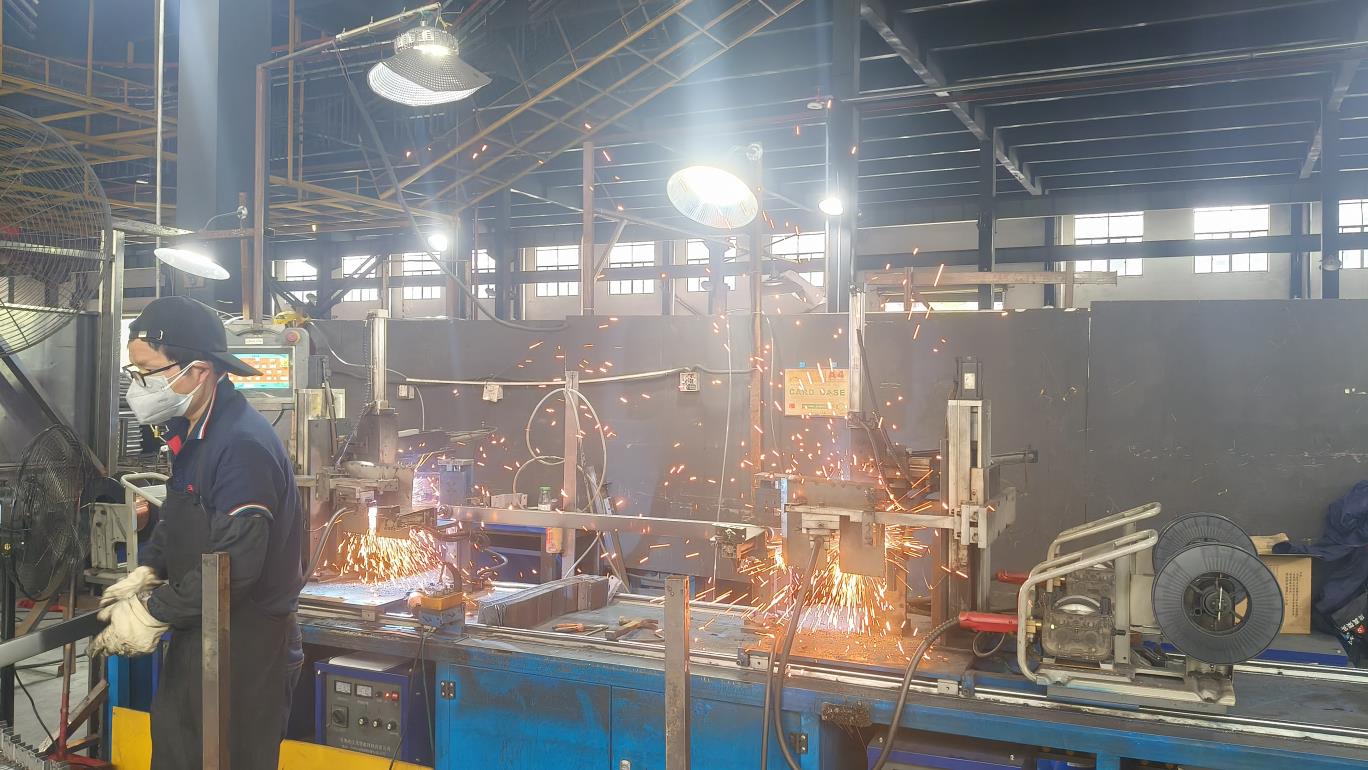
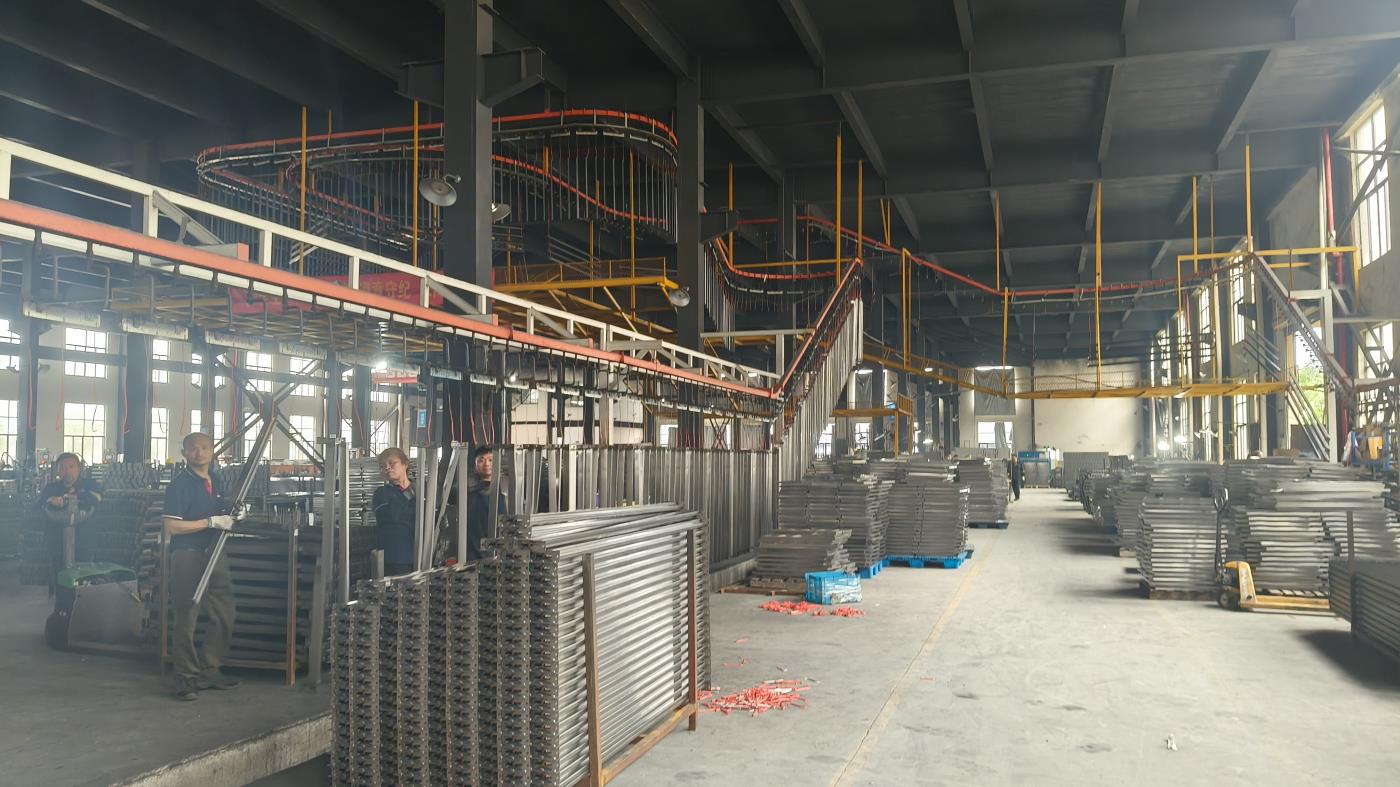
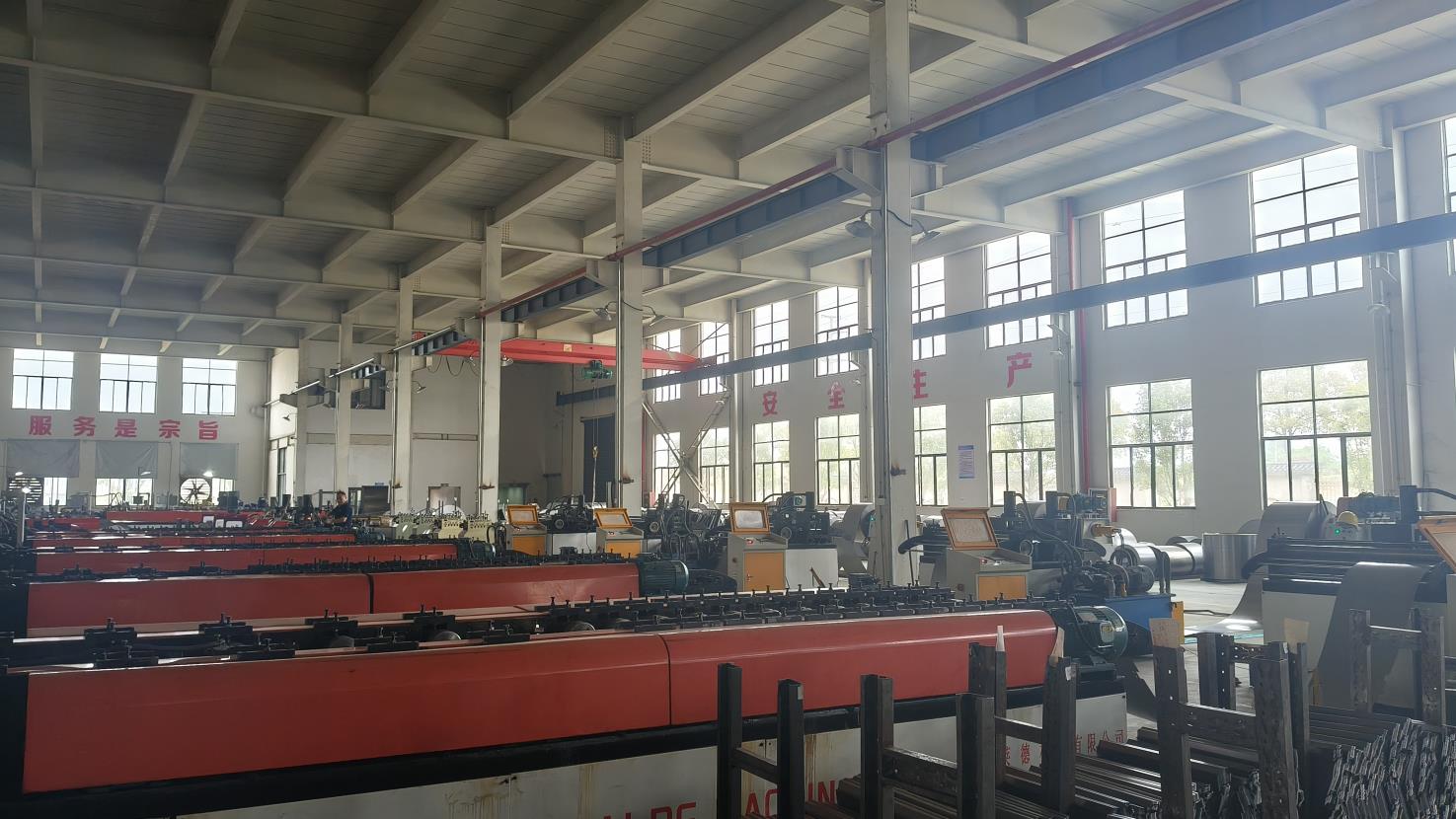
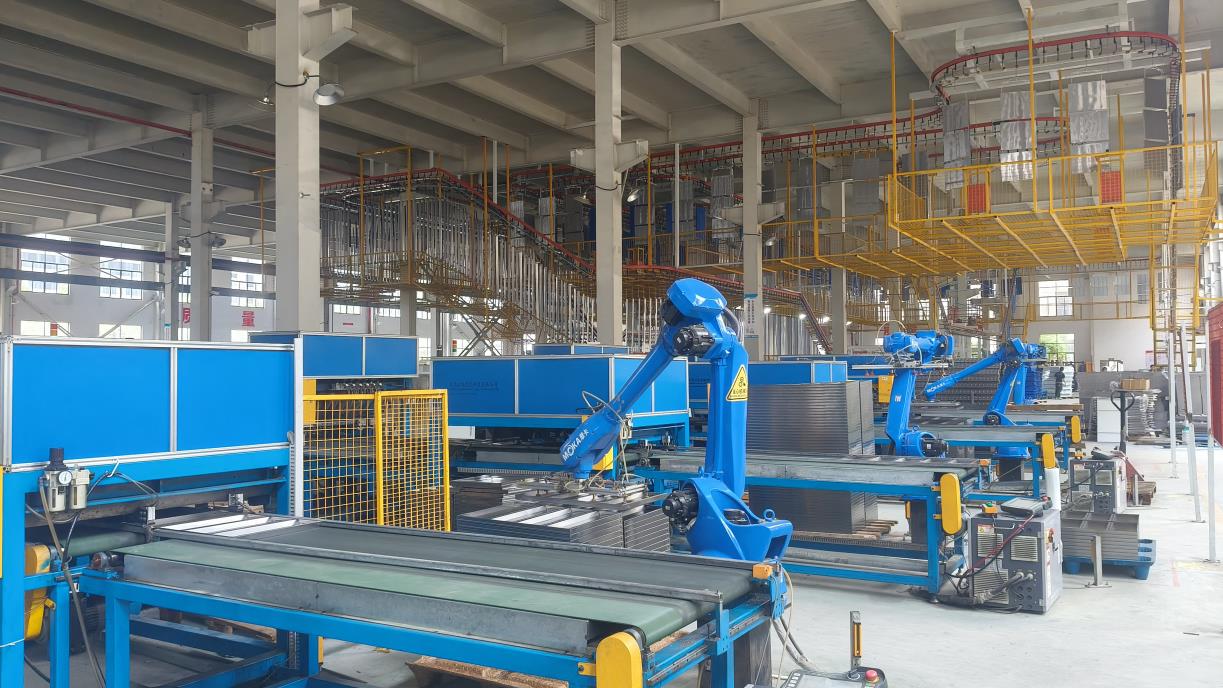
Our state-of-the-art manufacturing facility covers an area of more than 15,000 square meters and employs over 200 skilled workers and specialized technical engineers. Equipped with advanced structural production lines—including automated tube cutting saws, tube punching machinery, high-precision guillotine shears, heavy-duty hydraulic punching machines, CNC plate bending machines, and automated spot welding units—we guarantee superior precision and repeatability across all product configurations.
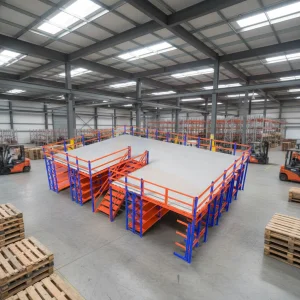
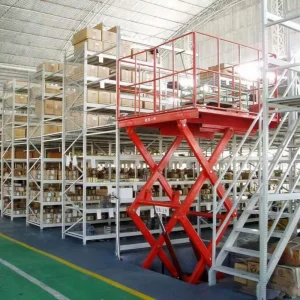
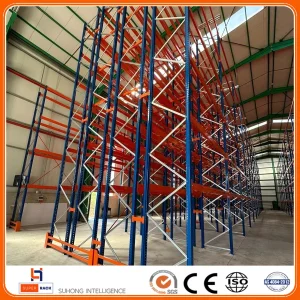
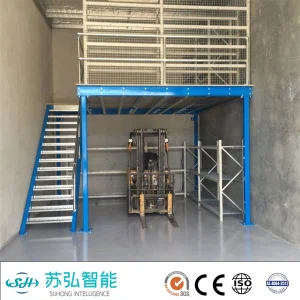
Our comprehensive production profile encompasses high-performance selective pallet racks, heavy-duty mezzanine floors, gravity flow solutions, automated shuttle systems, and customized industrial structural solutions. These systems are globally distributed across Oceania, Asia, Europe, South America, and the Middle East, generating annual revenues in excess of 15 million USD. Supported by rigorous quality management systems, all LogiSteel products carry certified CE compliance markings, validating their structural integrity and safety across diverse operating environments.
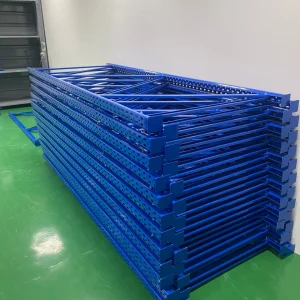
Our integrated fabrication lines employ precise engineering control systems to ensure structural steel integrity and durable surface protections.
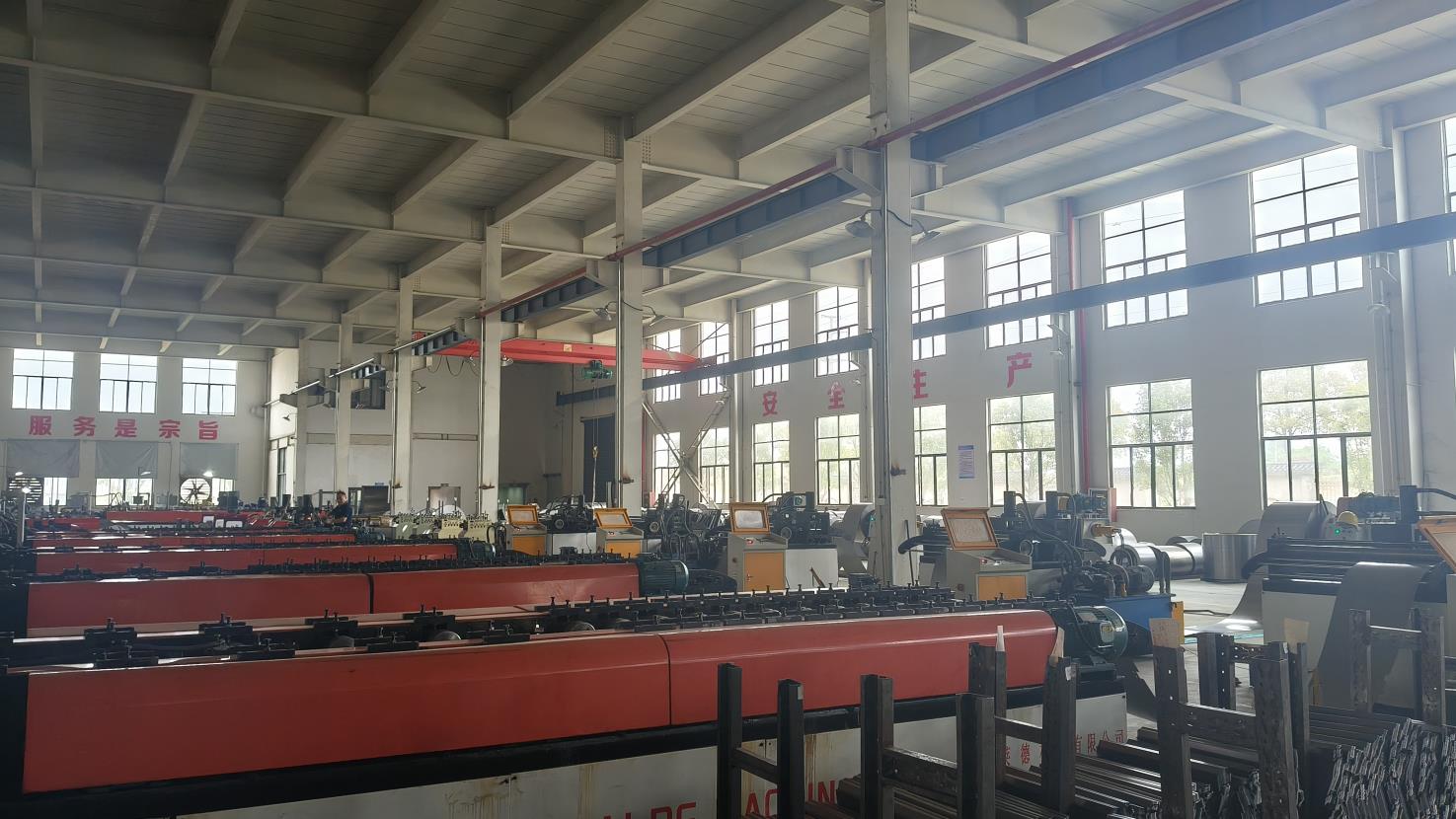
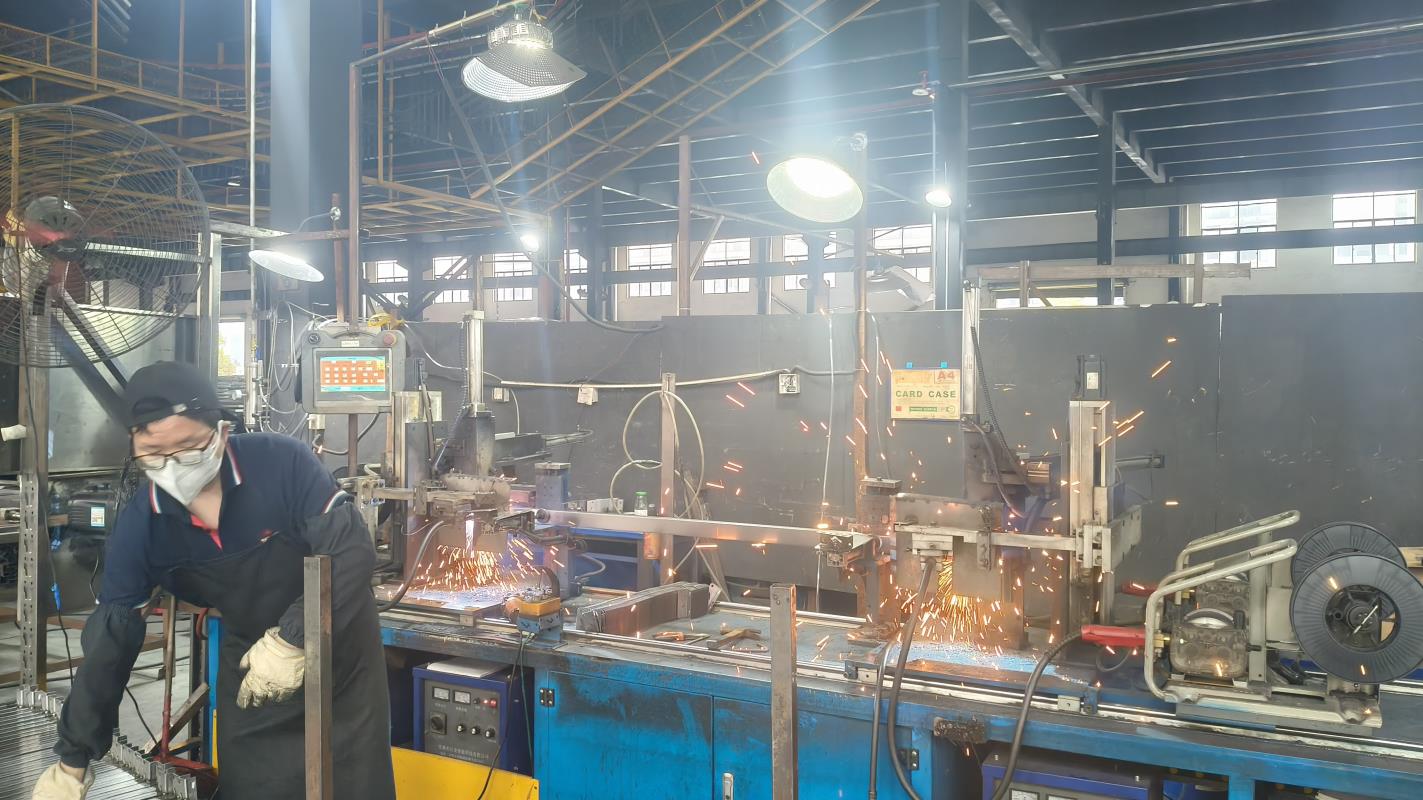
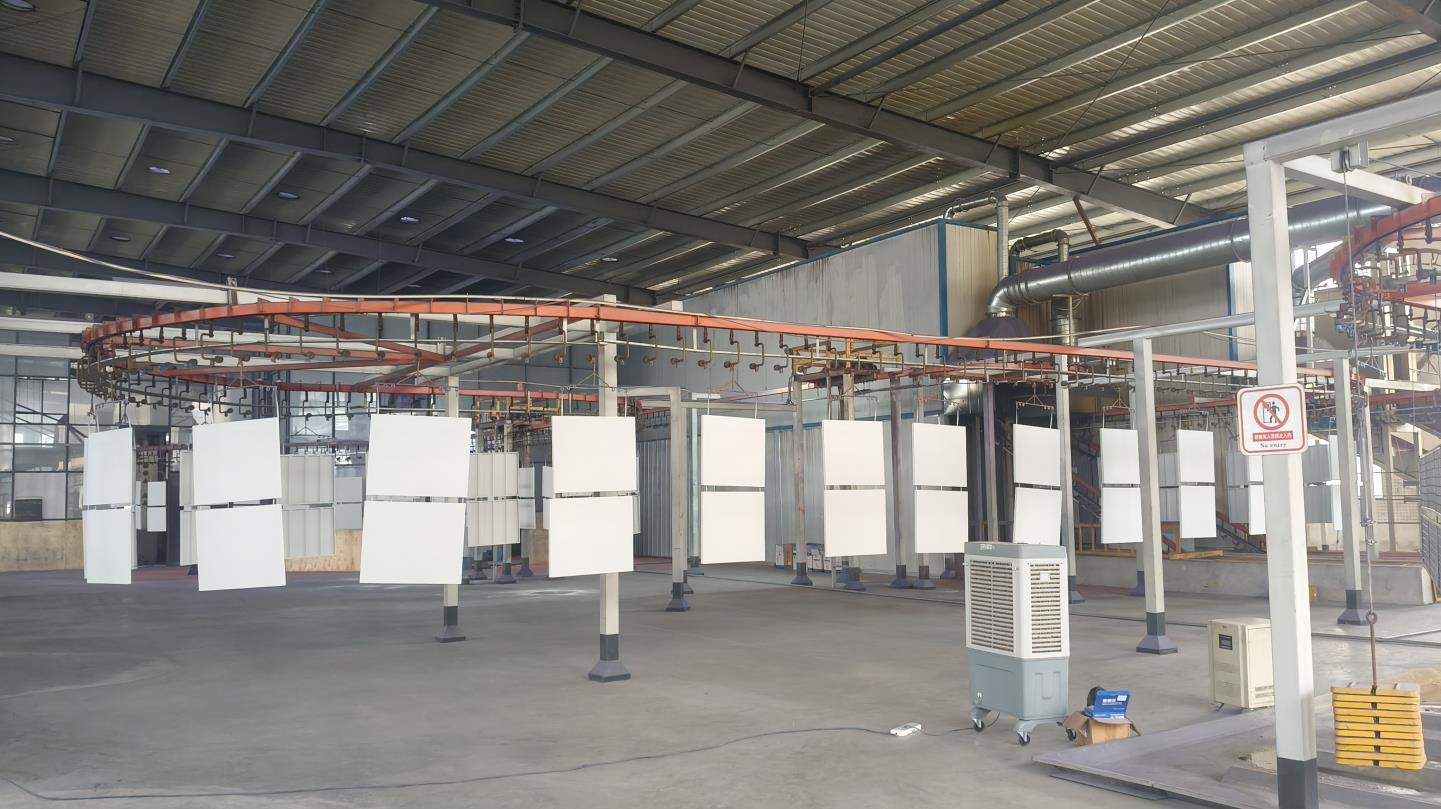
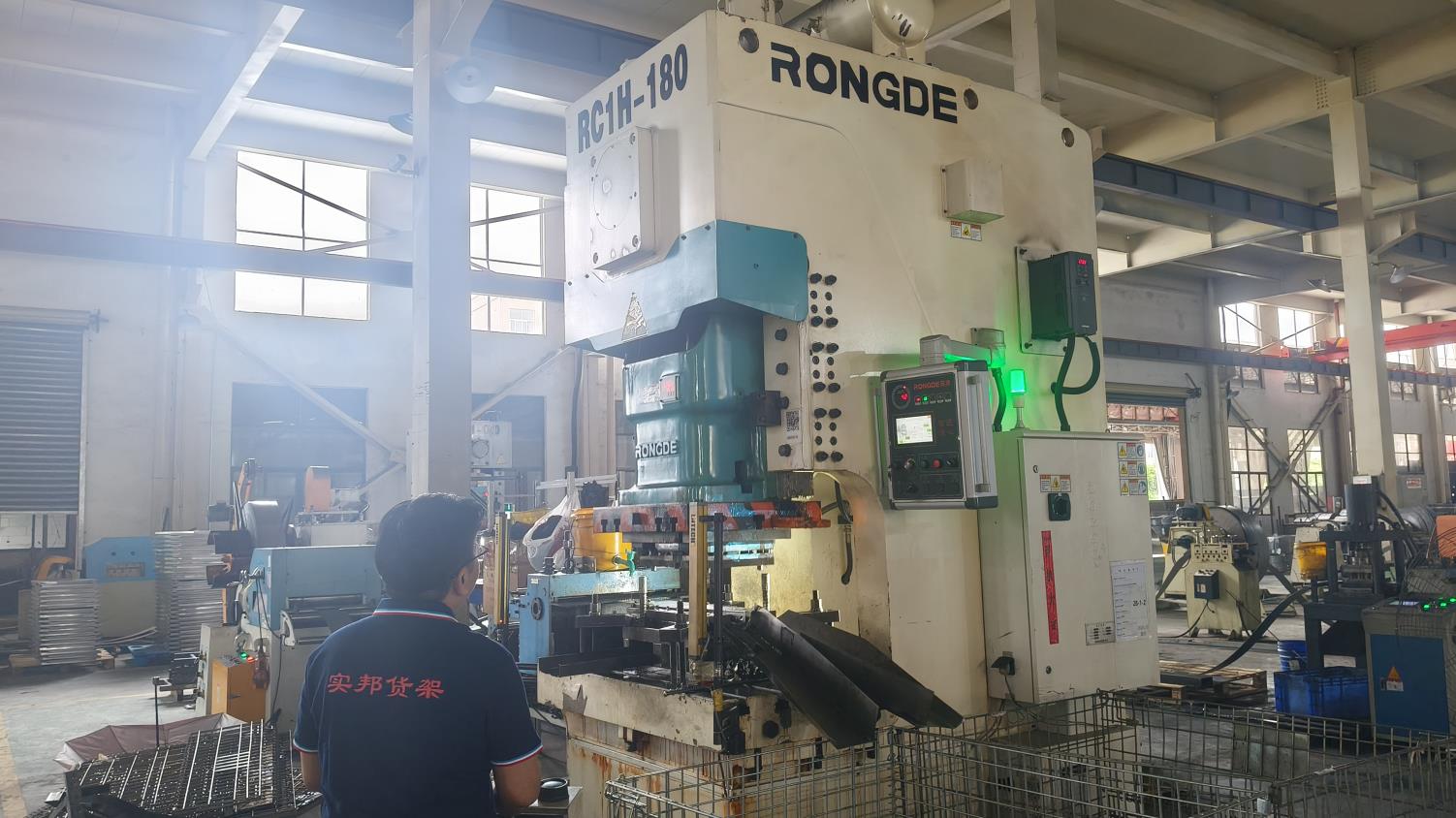
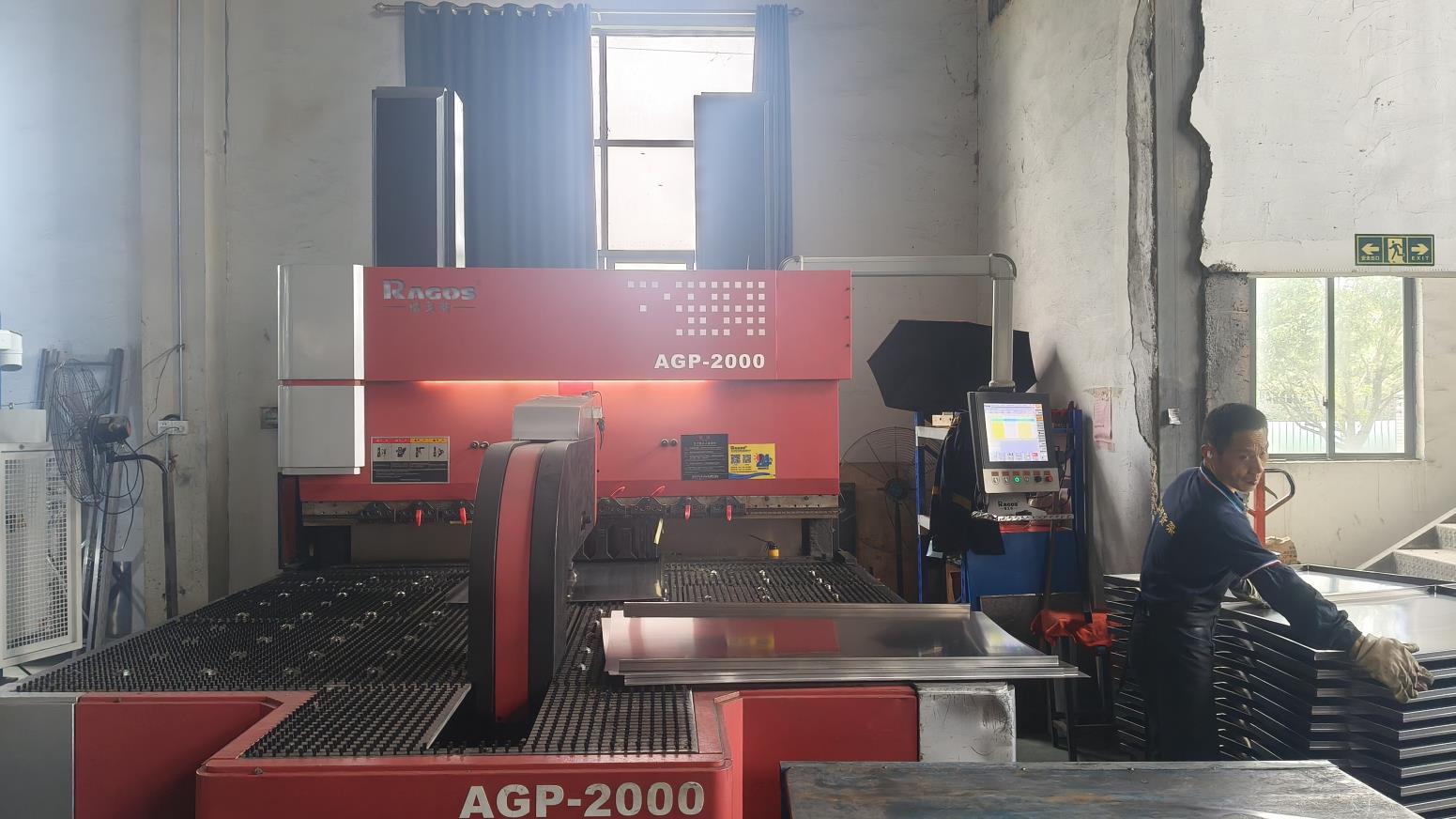
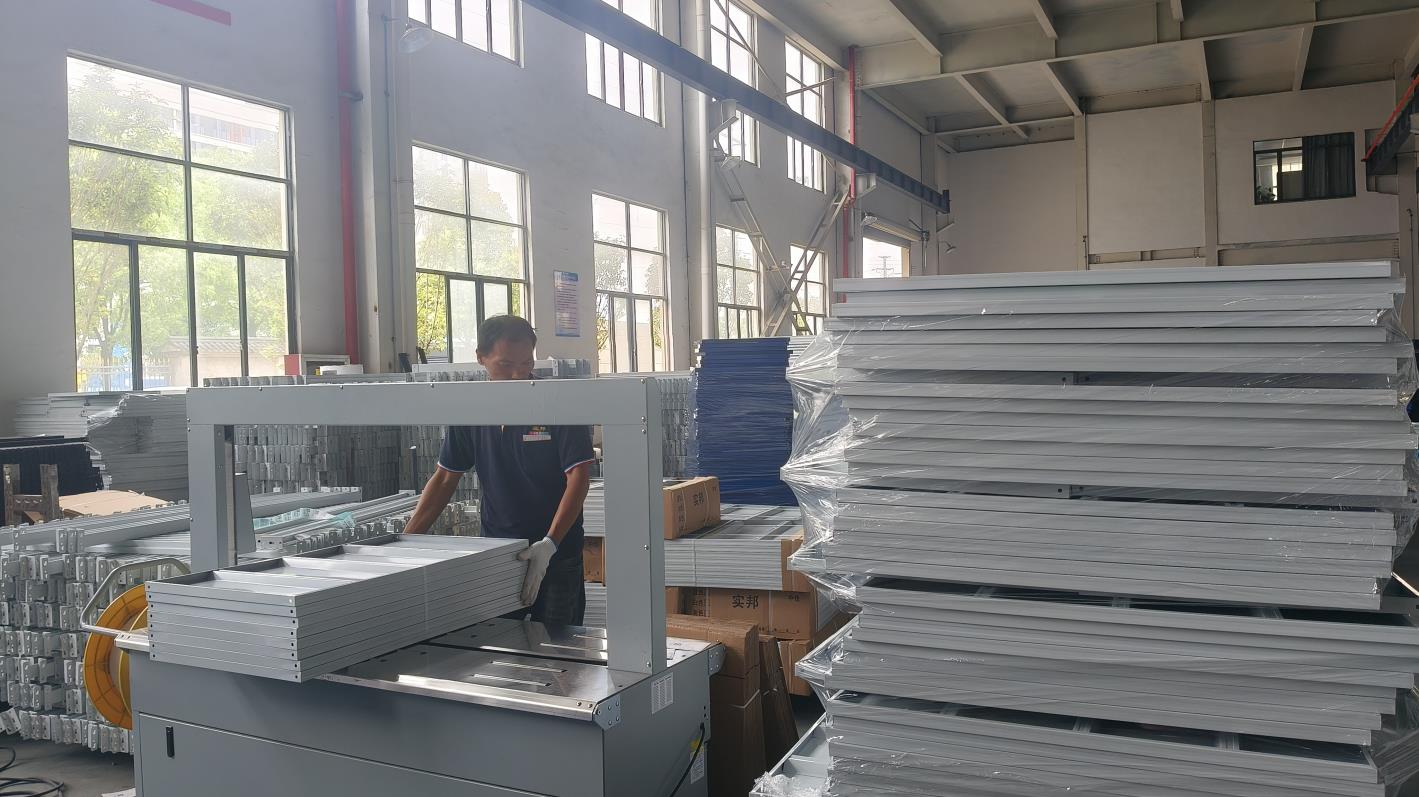
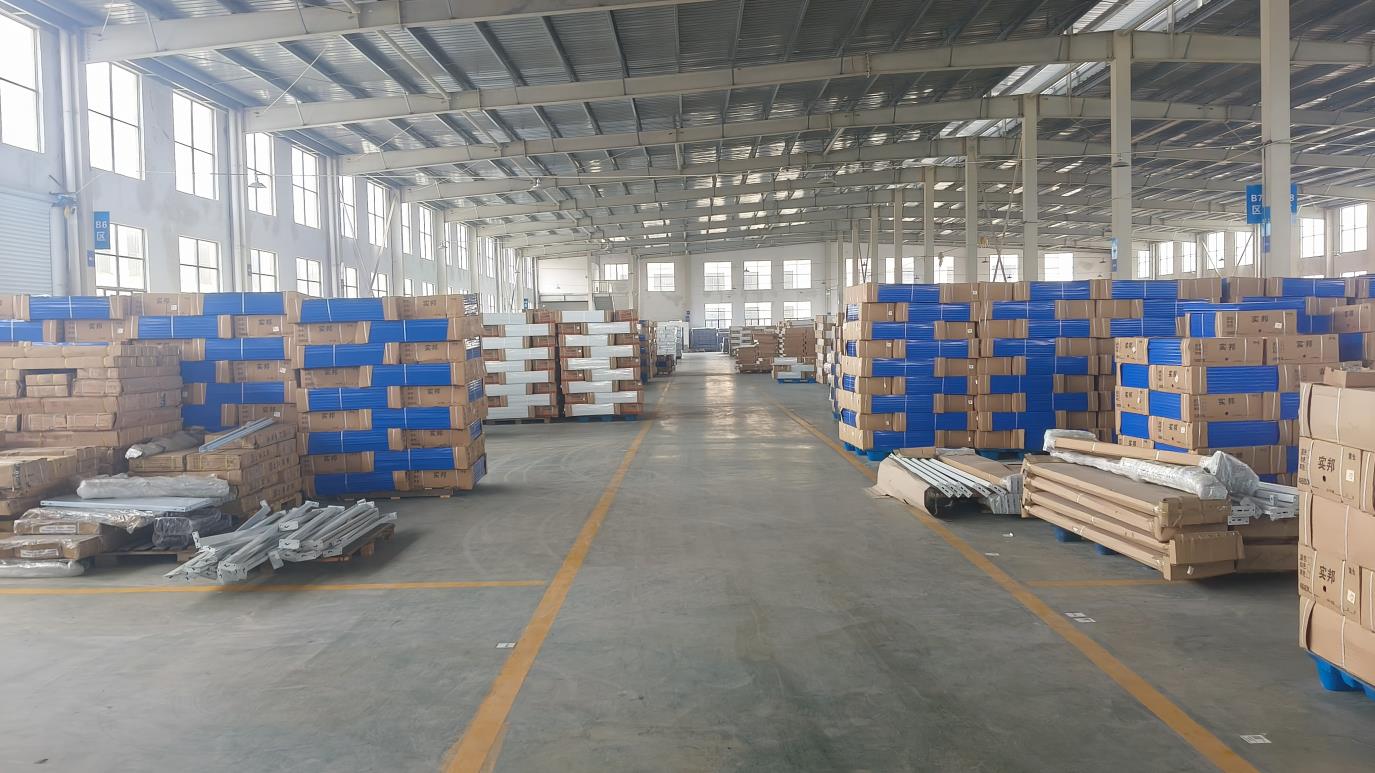
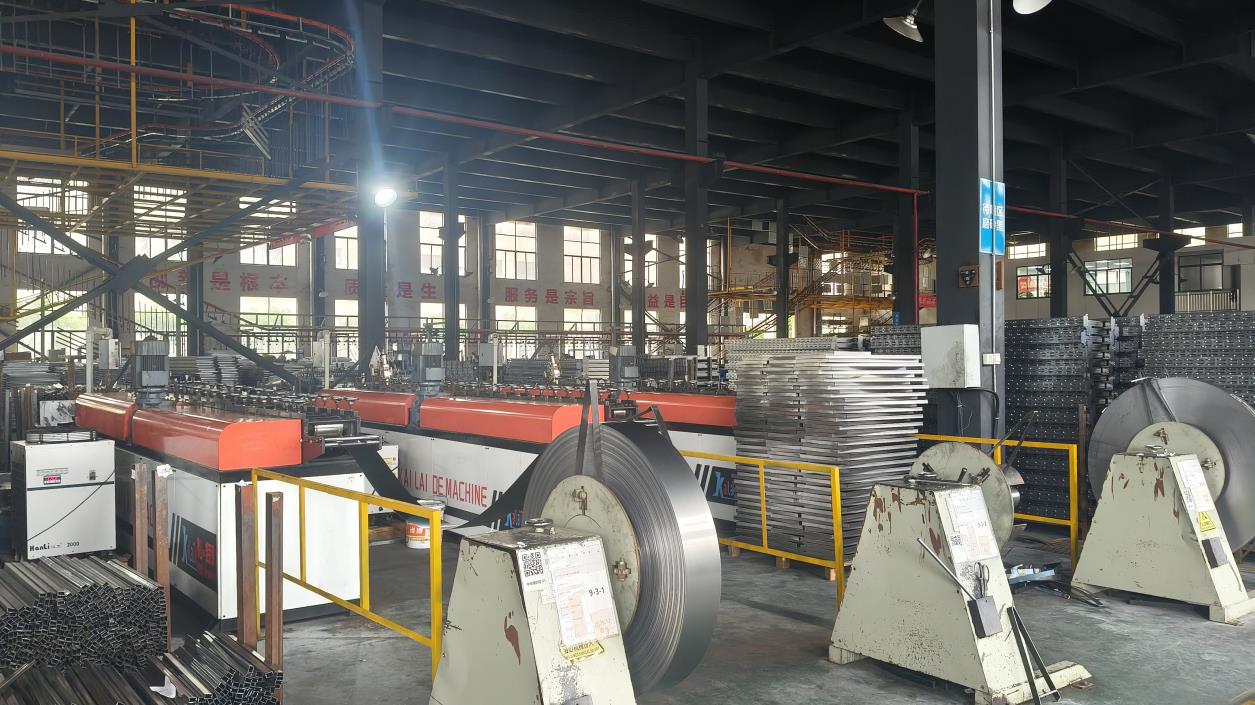
The structural layout of push back racking involves complex calculations of dynamic kinetic forces and static weight distributions. To guarantee structural safety under varying loads, designers must align calculations with standards set by the Rack Manufacturers Institute (RMI MH16.1) and the European Committee for Standardization (EN 15512).
Rail gradient calculations are central to the physical mechanics of push back systems. The gradient must be set high enough to ensure the reliable descent of pallets, yet low enough to prevent excessive speeds that could damage product or structure. Typically, this inclination is engineered between 2.5% and 3.0%. The gravitational force component ($F_g$) acting along the slope is balanced by rolling friction ($F_f$) and damping forces ($F_d$):
F_gravity\_parallel = M \cdot g \cdot \sin(\theta)
Where $M$ is the combined mass of the pallet and nested cart, $g$ is the acceleration due to gravity, and $\theta$ represents the angle of slope inclination. Structural components are manufactured from high-tensile structural steel (minimum yield strength equivalent to Q235B or Q355B structural grades). The carts themselves feature heavy-gauge steel assemblies equipped with precision-machined steel wheels and low-temperature performance bearings. This design ensures consistent operation even inside freezing cold-storage facilities operating at temperatures as low as -30°C.
| System Type | Density Level | Selectivity Performance | Operational Flow | Capital Cost Index | Ideal Application |
|---|---|---|---|---|---|
| Push Back Racking | High (Up to 90% space gain) | Medium (1 SKU per lane) | LIFO (Last-In, First-Out) | Moderate | Bulk distribution, Cold chain storage |
| Selective Pallet Racking | Low | 100% (Instant access) | FIFO / LIFO flexible | Low | High SKU variety, fast-turn retail |
| Drive-In Racking | High | Very Low | LIFO | Low-Medium | Homogeneous product storage |
| Pallet Flow Racking | Maximum | Low (Per lane) | FIFO (First-In, First-Out) | High | Perishable items, high-throughput food |
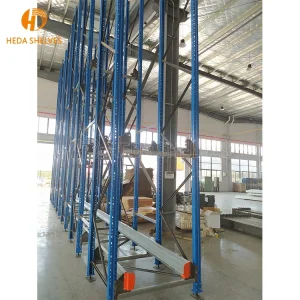
| Radio Shuttle Racking | Maximum | Medium (Per lane) | FIFO / LIFO configurable | Very High | Massive storage volumes, semi-automated |
LogiSteel’s engineering and product design teams continue to iterate on the physics of push back operations. As warehousing processes trend toward automation and autonomous vehicles (AGVs), the mechanical properties of dynamic structural systems must adapt. Below is the technical roadmap highlighting our focus on dynamic safety and smart engineering solutions.
Integrating centrifugal brake rollers within nested cart assemblies. This feature regulates the speed of descending pallets, mitigating impact forces and protecting both the structure and fragile inventory loads.
Formulating specialized powder coatings and steel alloy grades designed for extreme cold storage environments. This prevents micro-fracturing under high dynamic loads at temperatures as low as -40°C.
Designing cart catchers and precise laser alignment brackets. These components facilitate seamless interactions between automated guided vehicles and traditional push back structural racks.
LogiSteel systems are engineered to meet global compliance regulations. Standard calculations are tailored to satisfy local structural requirements across North America, Europe, Australia, and the Middle East:
Beyond structural design, LogiSteel maintains an experienced network of regional installation partners and engineering consultants. This network provides on-site support, performs structural audits, and assists in securing local building permits, facilitating efficient project delivery and compliance.
Push back racking systems are typically engineered for configurations ranging from 2-deep to 6-deep. Depths exceeding 6-deep are generally not recommended due to the cumulative weight of the nested carts and the force required by the forklift to push the pallets back. For deeper high-density lanes, gravity flow systems (FIFO) or automated radio shuttles are more suitable.
The standard incline angle of the rails is calculated between 2.5% and 3.0%. A steeper slope increases the acceleration rate of descending pallets, which can cause load shifts or hard impacts at the pick face. A shallower slope might fail to overcome rolling resistance, leaving pallets stuck in the lane. Consistent slope profiles ensure controlled, gravity-fed pallet advancement.
Yes. Push back racking is highly effective in cold storage applications due to its high density, which reduces the volume of air that needs to be refrigerated. For cold environments, the system utilizes low-temperature lubricants, specialized dynamic bearings, and high-durability coatings to prevent steel brittleness and ensure long-term performance.
Standard counterbalanced or reach trucks can be used, provided the forklift mast has sufficient capacity to handle the push force needed to load subsequent pallets. Operators must also be trained to maintain correct approach angles and lift height positions to avoid structural impacts with the nesting carts.
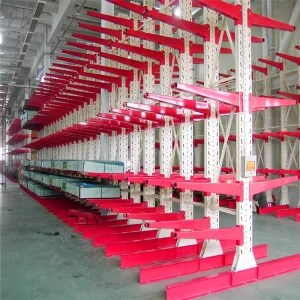
Explore our full range of heavy-duty pallet racks, cantilever racking, and space-saving mezzanines designed for industrial manufacturing and distribution facilities.
 LogiSteel Racking