Engineered for maximum spatial utility, structural safety, and high-density material handling.
Evaluating structural efficiency amidst rapid industrialization and the rise of logistics corridors.
Ethiopia is undergoing a rapid industrial transformation, catalyzed by the development of export-driven manufacturing zones and state-led industrial parks. From the textile-dominated Hawassa Industrial Park to the agricultural processing zones in Bole Lemi and the tech/pharma centers in Kilinto, modern warehousing is the backbone of the country's economic expansion. However, this growth brings significant logistical challenges. Rent and land acquisition costs inside industrial parks are rising, and warehouse operators must maximize their internal volumetric efficiency.
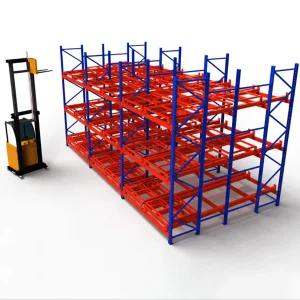
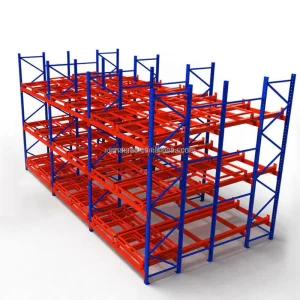
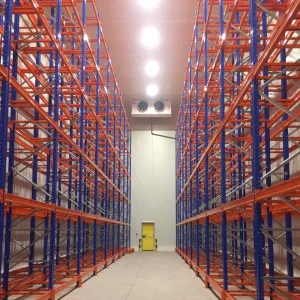
A primary bottleneck in the Ethiopian supply chain is the dependence on the transit corridor to the Port of Djibouti. With customs clearance times and overland transport schedules introducing variability, warehouses in Addis Ababa, Mojo, and Adama must store more buffer inventory without increasing their physical footprint. This is where high-density push-back racking systems offer a critical strategic advantage over traditional selective racking. By utilizing a dynamic cart-on-rail system, push-back storage allows businesses to store up to 2 to 6 pallets deep on both sides of an aisle, increasing storage capacity by up to 75% while keeping capital expenditure under control.
Through our experience as a major racking exporter to the Horn of Africa, we have identified several local industries where our Push Back Racking Systems deliver immediate ROI:
The mechanics of gravity-fed, high-durability nesting carriage systems.
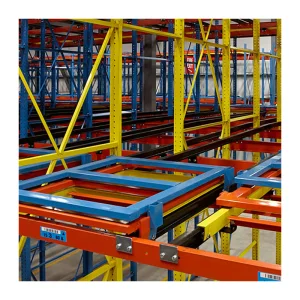
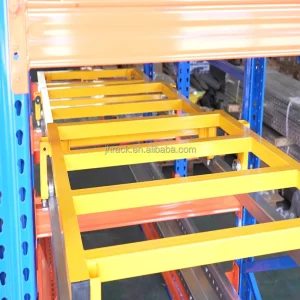
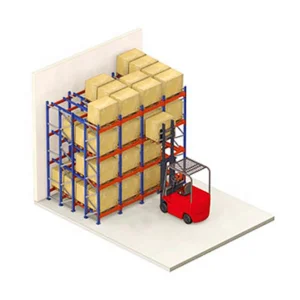
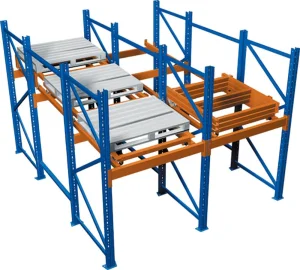
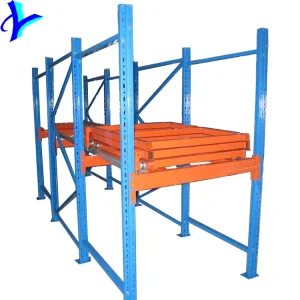
A Push Back Racking System operates on a simple yet highly effective mechanical principle. Pallets are placed by forklifts onto nested carts that ride on inclined rails within the racking structure. When a new pallet is loaded, it pushes the preceding pallet back, exposing the next nested cart underneath. When a pallet is retrieved, the remaining pallets roll forward to the aisle face under the control of gravity.
Unlike drive-in racking, where forklift operators must drive inside the racking structure—increasing the risk of structural damage and collision—push-back racking allows the forklift to remain in the main operating aisle. This increases operations speed and elevates safety profiles, particularly for warehouses operating with diverse local forklift operator skill levels.
We manufacture our upright frames and structural beams from high-tensile Q235B or Q355B structural carbon steel, ensuring uniform load bearing. The nesting carts are built with high-precision steel profiles and fitted with heavy-duty steel wheels running on sealed, lubricated-for-life bearings. This ensures low rolling resistance and maintenance-free operation under temperatures ranging from -30°C (cold storage) to 50°C.
Proper engineering of the rail incline (typically between 2% and 3.5%) is crucial. If the slope is too steep, the pallets roll forward too quickly, risking damage; if too shallow, they may hang up. LogiSteel designs each slope according to specific pallet sizes, weights, and bottom-board directions to guarantee consistent operation and prevent load hang-ups.
Leveraging China's world-class steel supply chain to deliver high-performance racking to Africa.
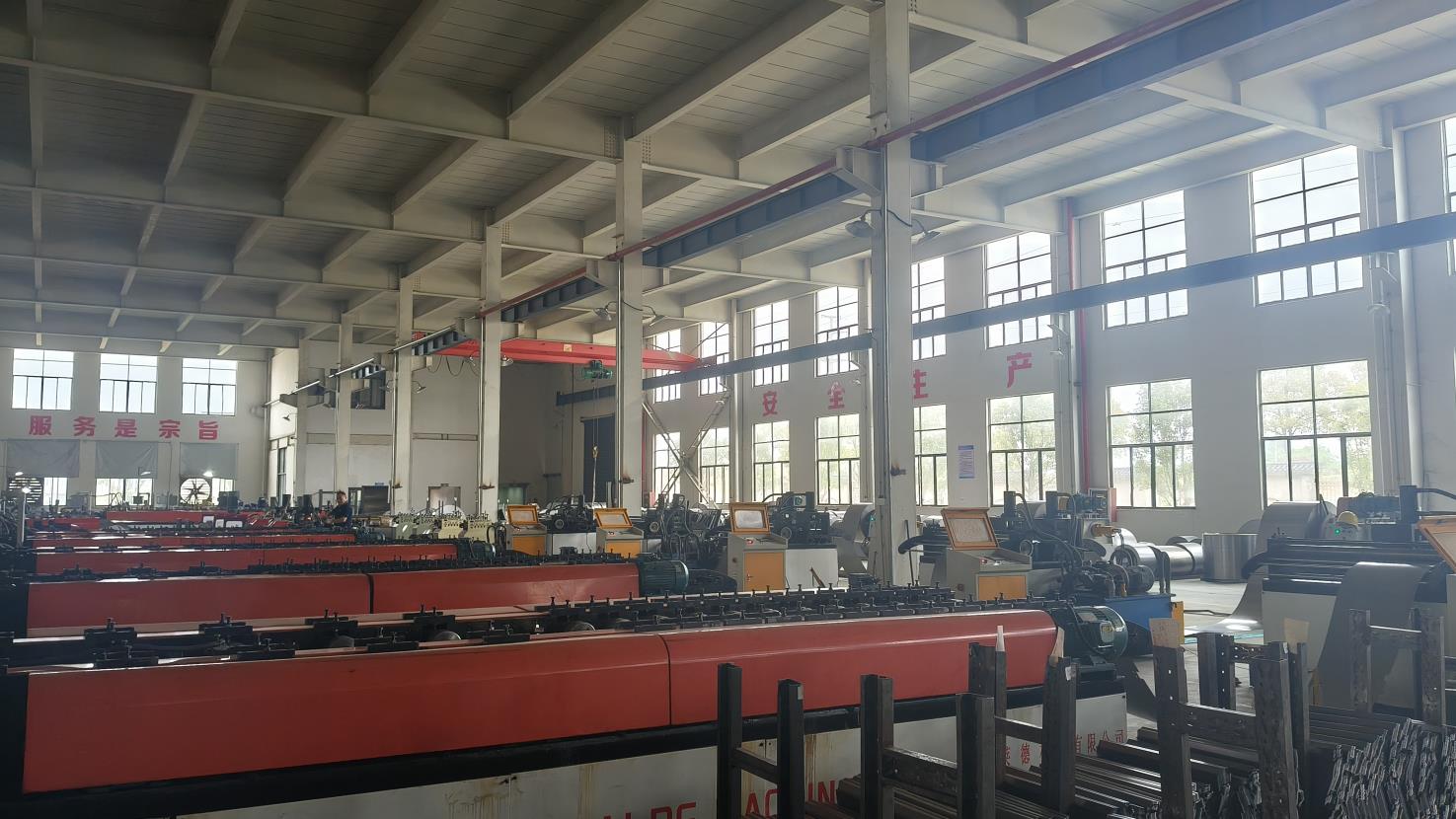
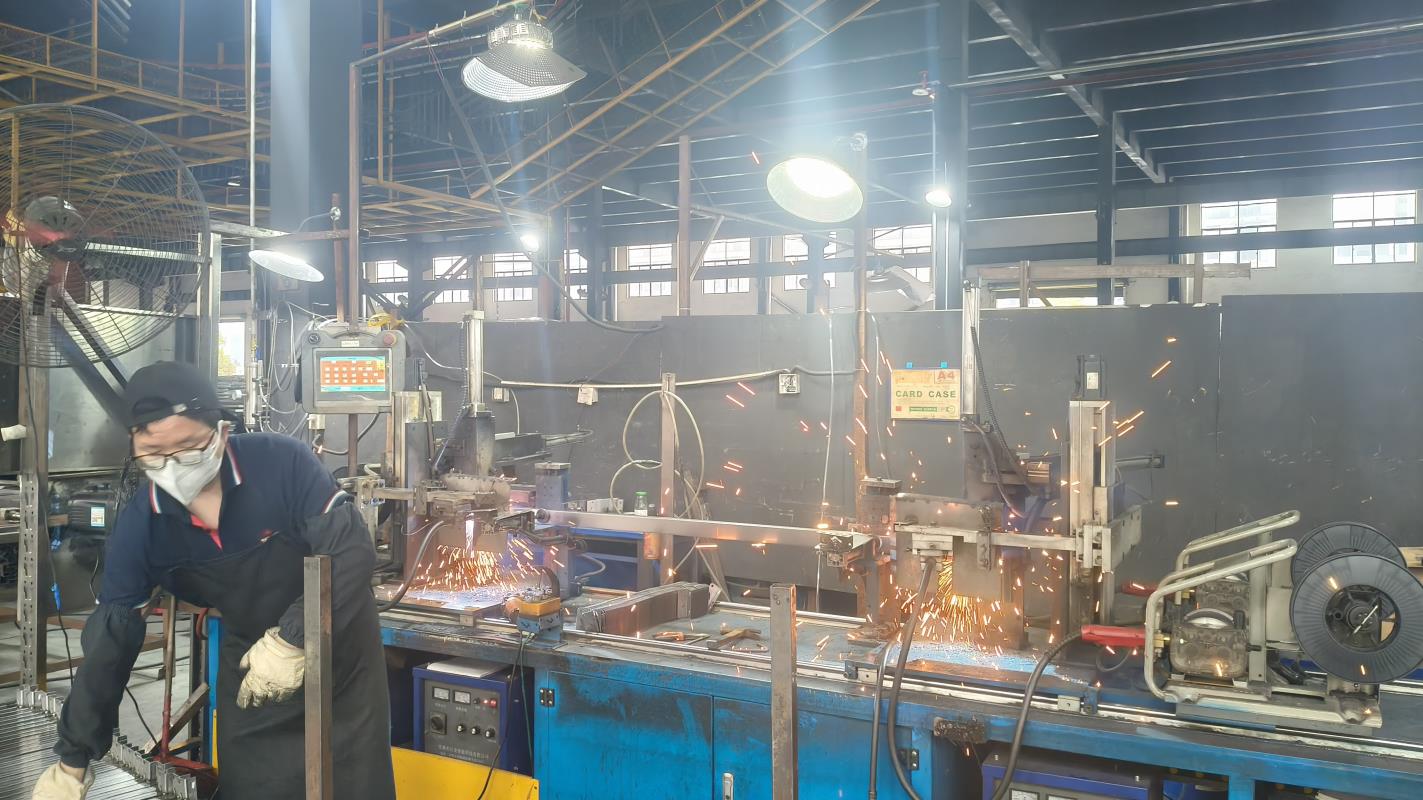
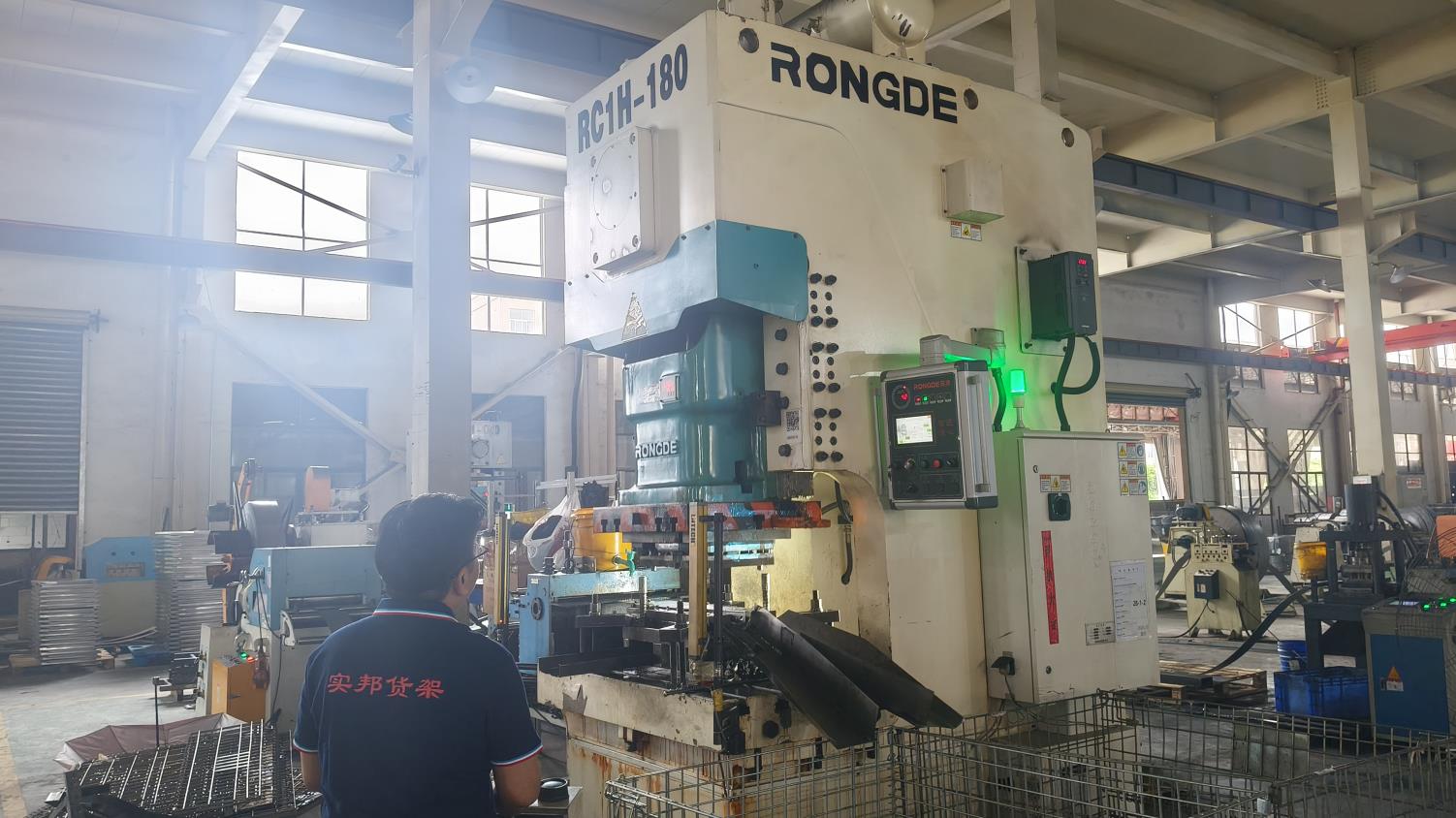
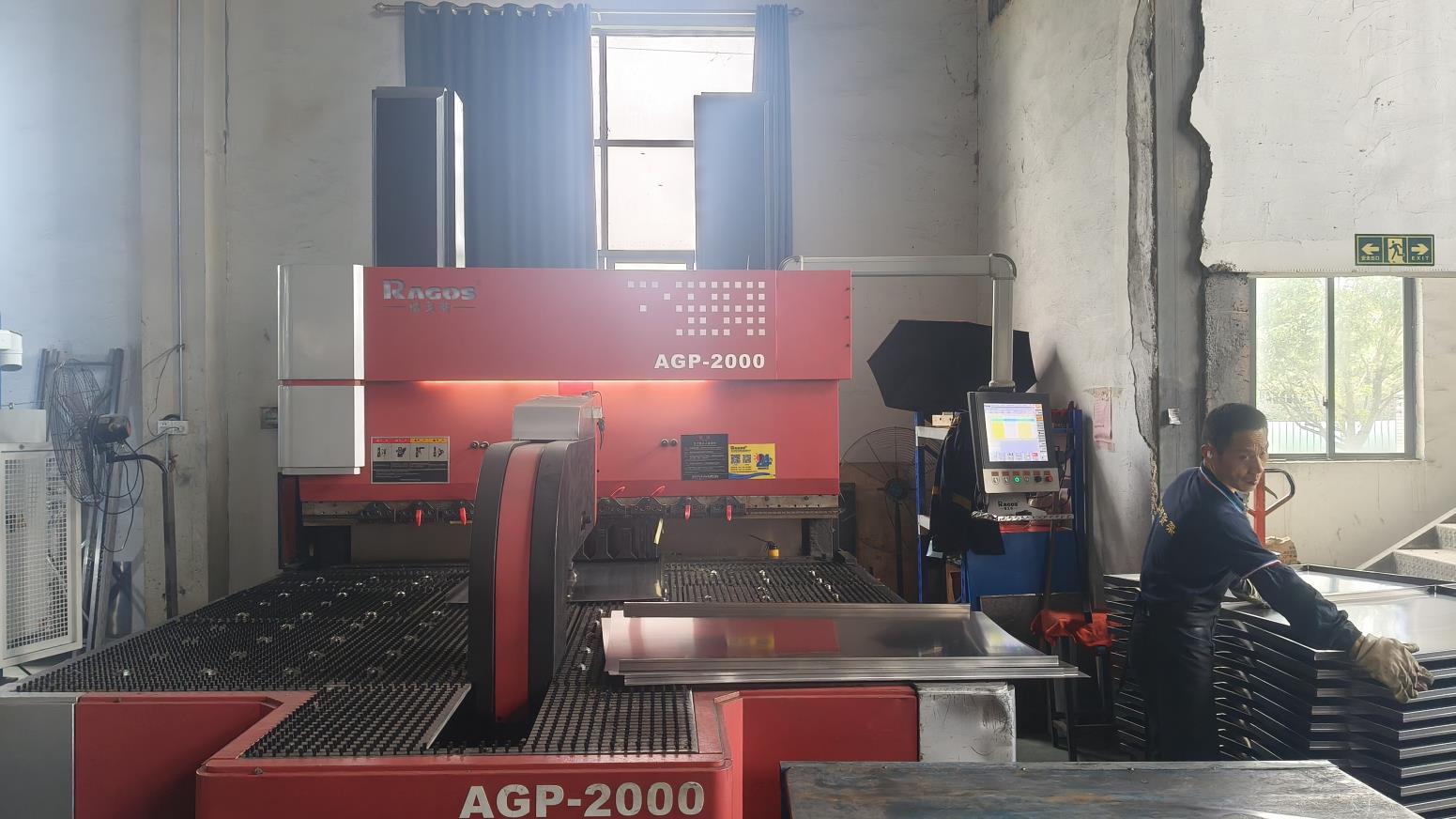
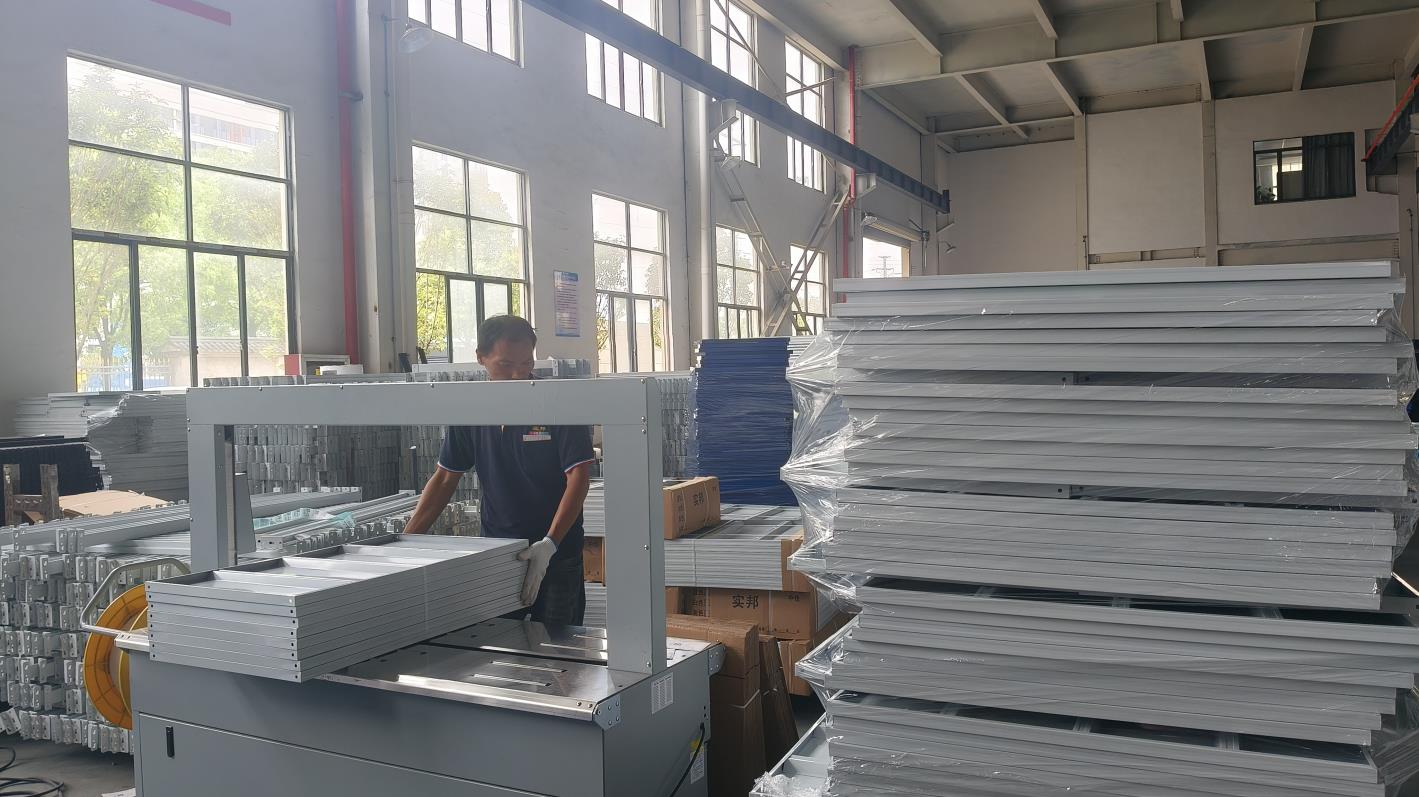
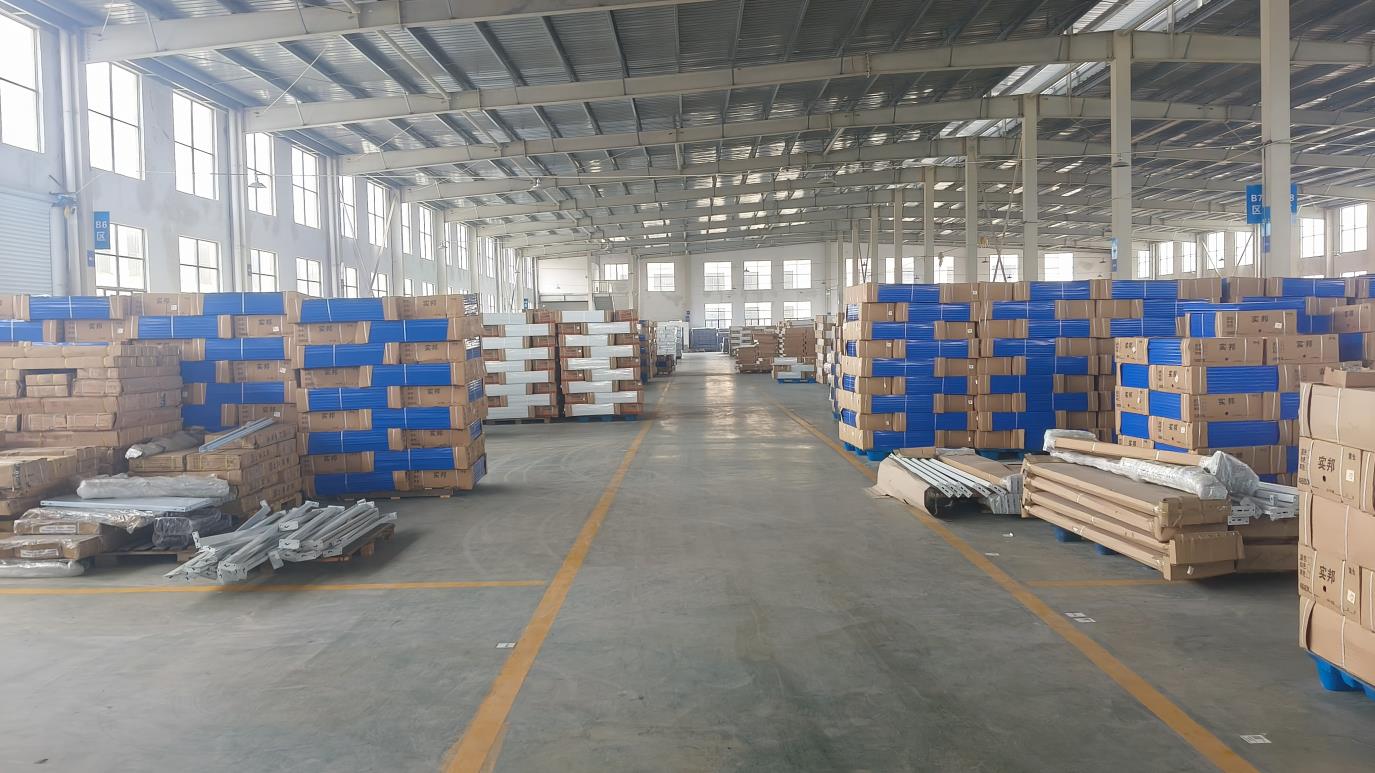
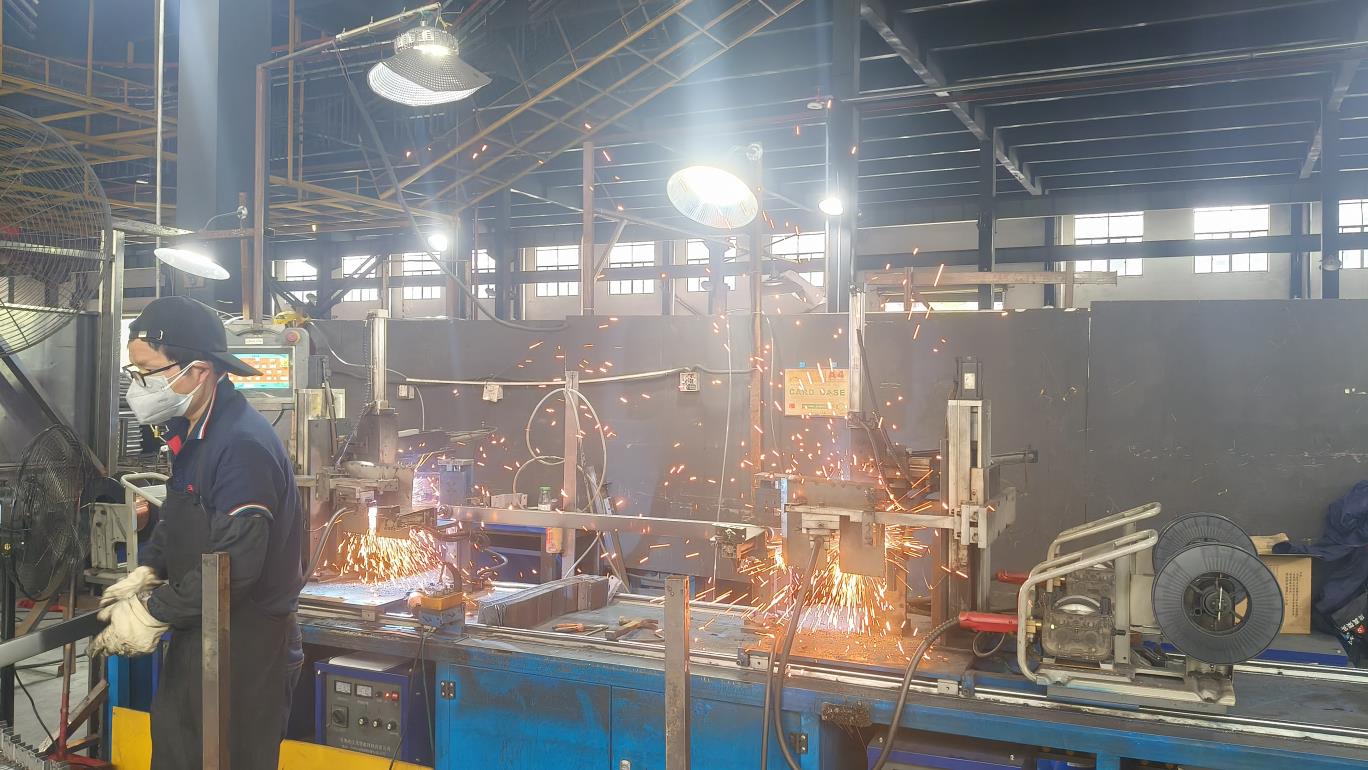
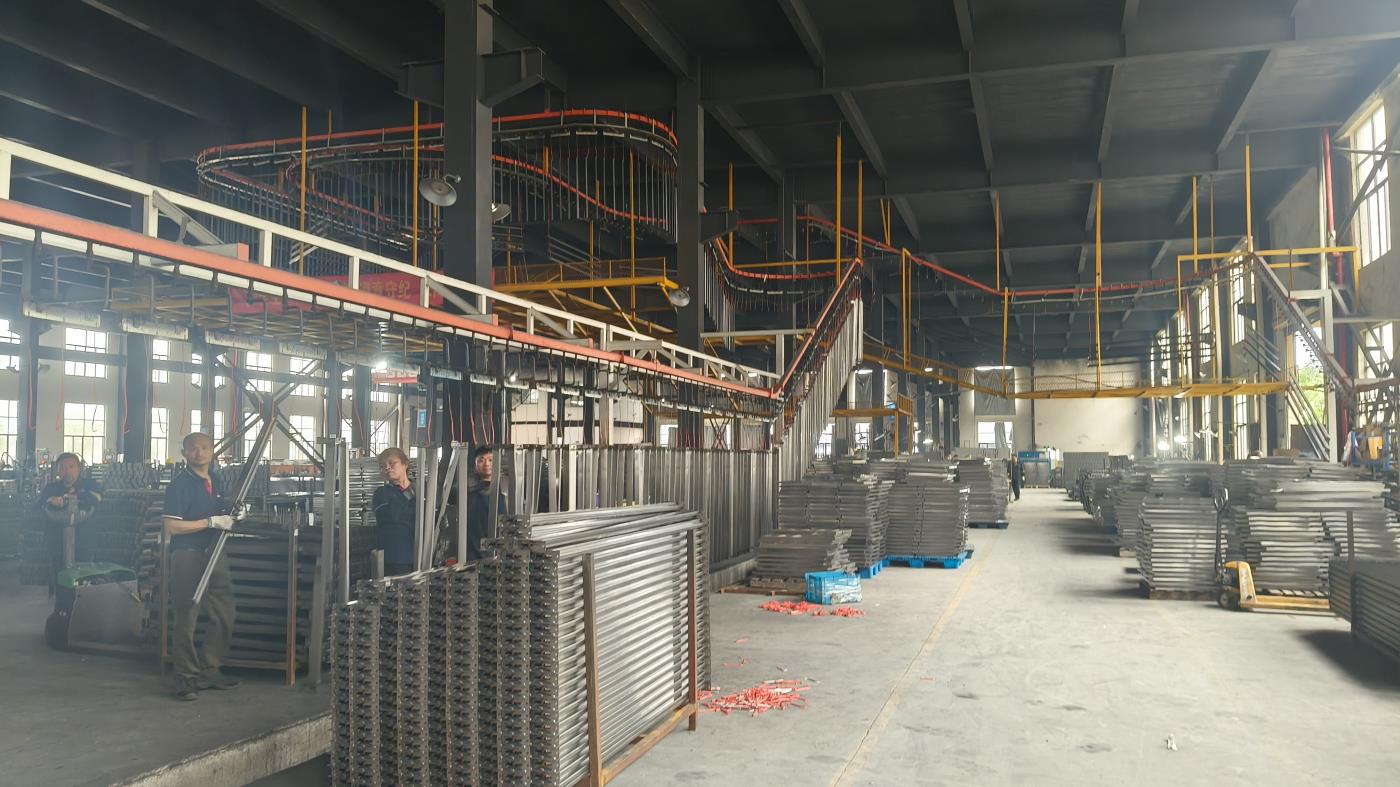
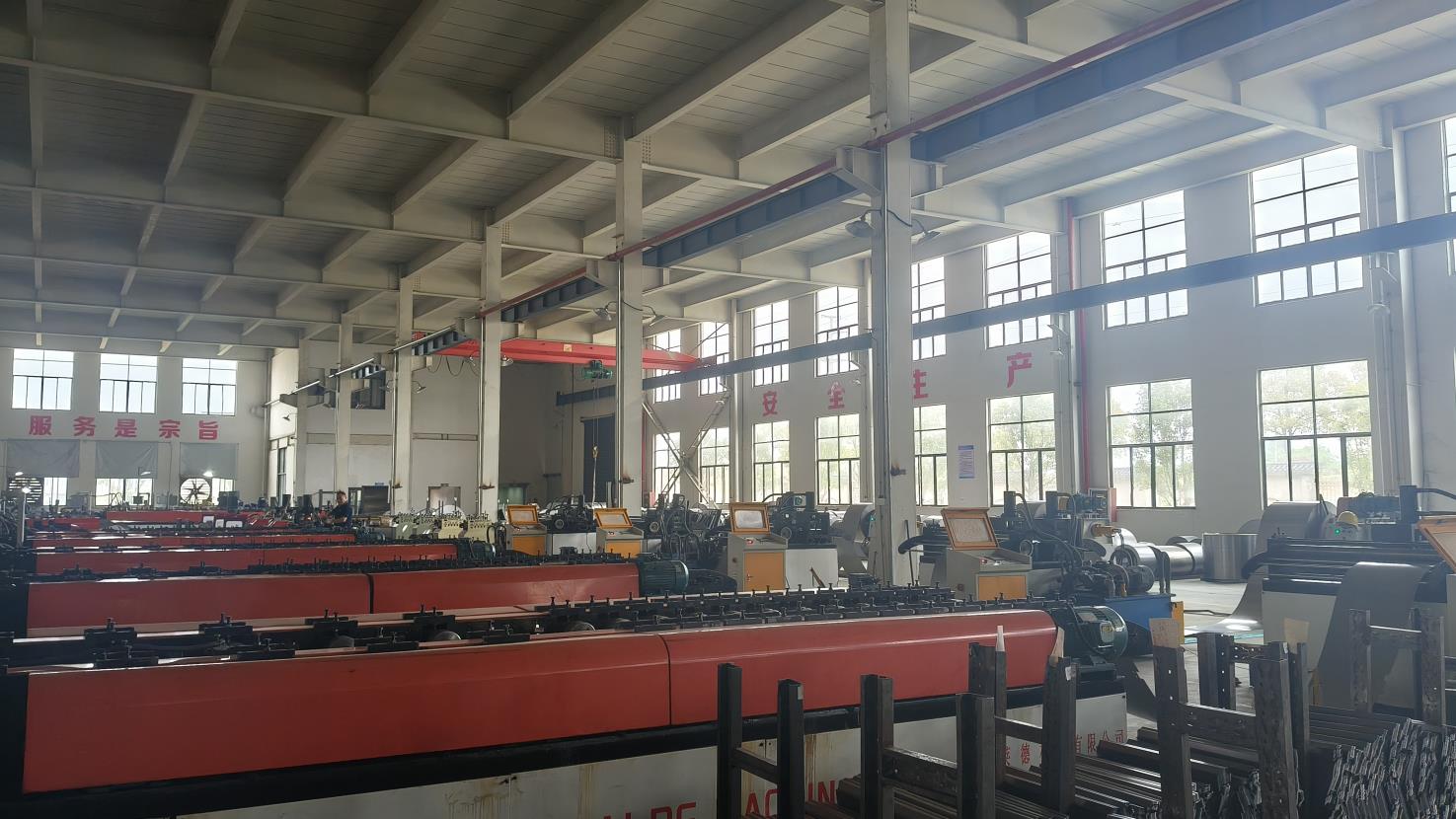
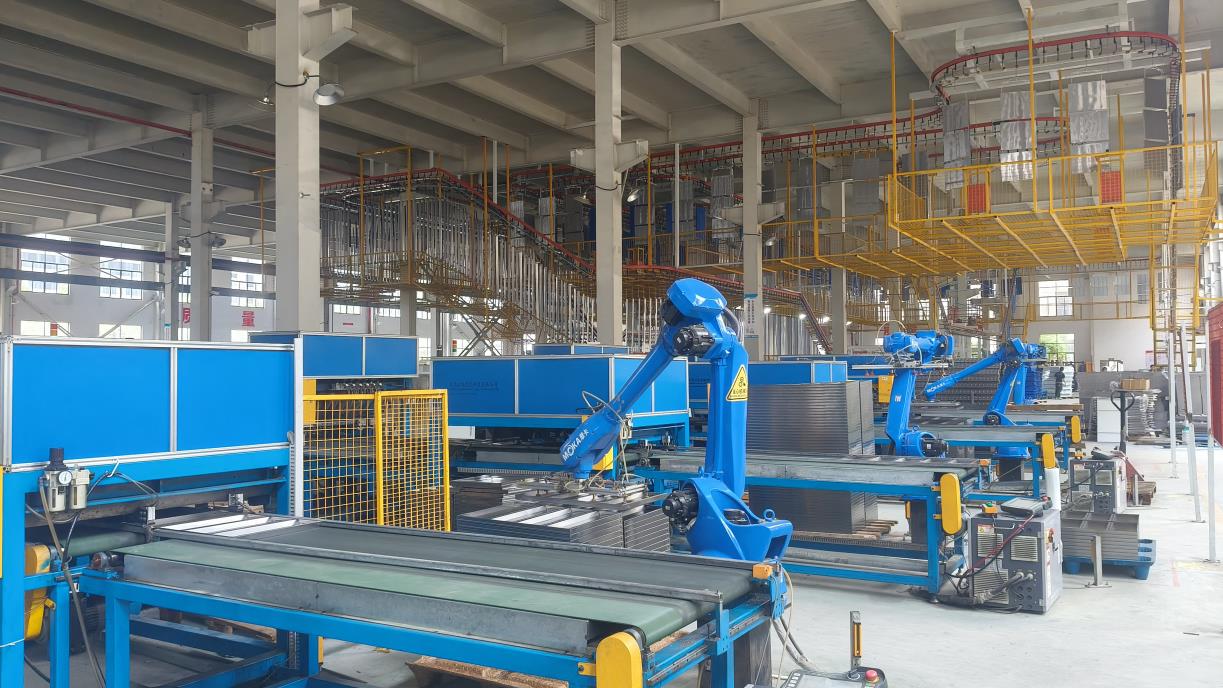
Guangzhou LogiSteel Racking Co., Ltd. is a professional manufacturer specializing in the design, production, sales, and installation of various types of storage racking systems, display stands, and supermarket equipment. Over the years, LogiSteel has developed into a reliable supplier in the material handling and retail display industry. Our factory covers an area of more than 15,000 square meters and employs over 200 skilled workers and technical staff.
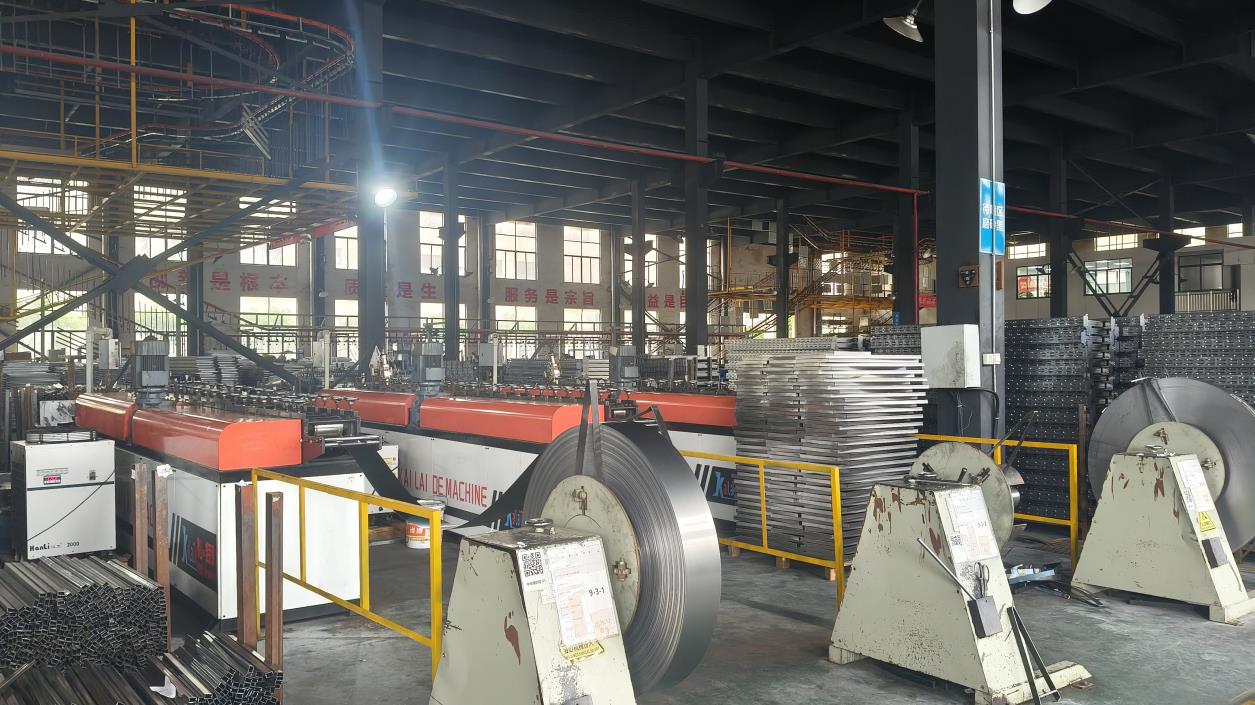
With strong technical capabilities and advanced production equipment—including tube cutting saws, tube punching machines, guillotine shears, hydraulic punching machines, plate bending machines, and spot welding machines—we ensure high efficiency and precision throughout the manufacturing process. Our product range includes pallet racking systems, selective warehouse racks, mezzanine floors, supermarket shelving systems, gondola shelving, and various customized display stands. These products are widely used in warehouses, logistics centers, supermarkets, retail stores, and industrial facilities.
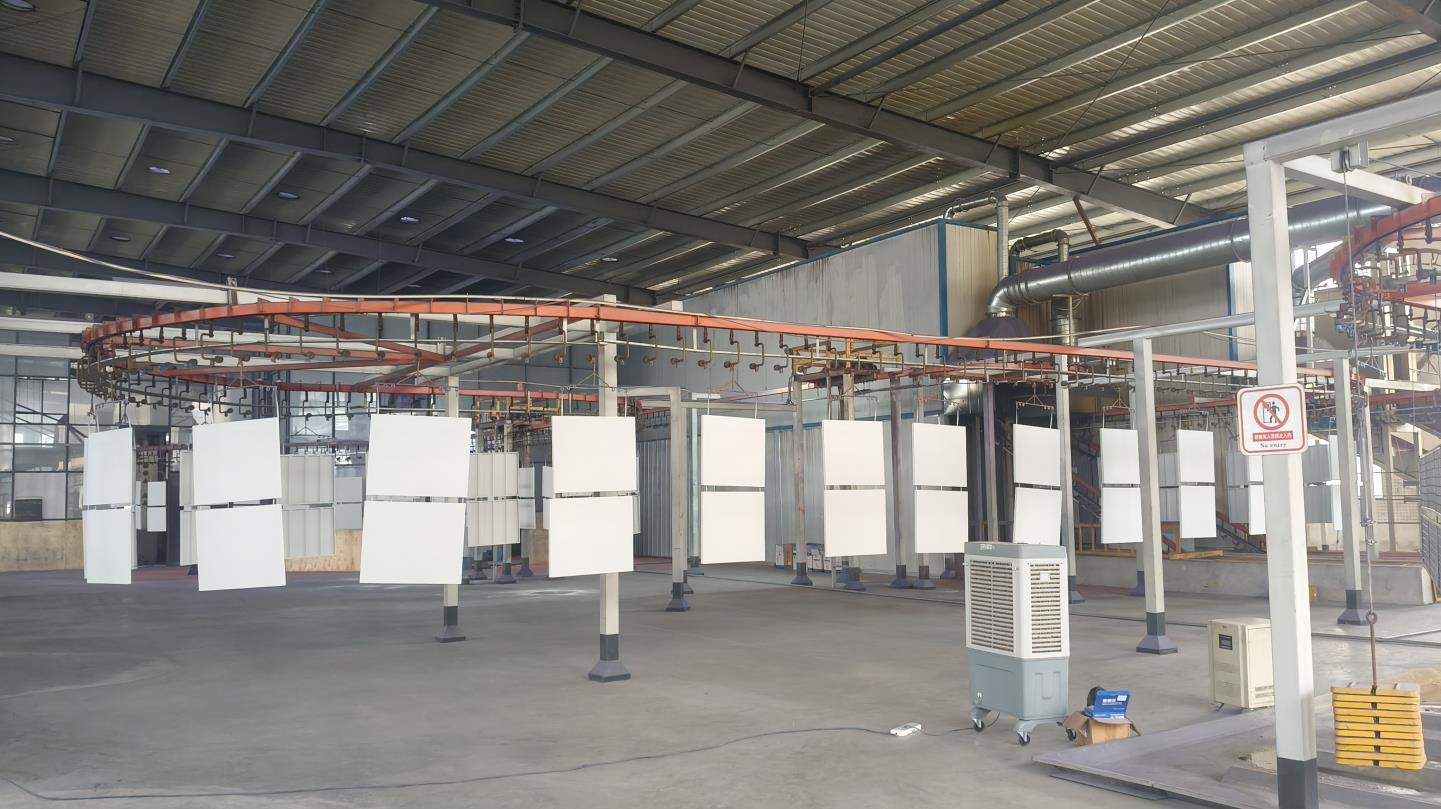
Our strategic location in Guangzhou, China, gives us access to a highly integrated industrial ecosystem, enabling us to source raw materials efficiently and maintain strict quality control. From precision roll-forming to automated powder coating, our production line guarantees that every rack component is built to withstand heavy daily use. This seamless supply chain capability allows us to offer short lead times and highly competitive pricing for large-scale logistics projects in Ethiopia.
Adhering to international engineering practices to safeguard your warehouse investment.
Ethiopia, particularly locations along the East African Rift System (such as the Main Ethiopian Rift running near Adama, Awassa, and Dire Dawa), is prone to moderate to high seismic activity. In warehouse design, neglecting structural dynamics and soil characteristics can lead to catastrophic failures. At LogiSteel, we design our racking systems to comply with international structural safety standards, including the European FEM 10.2.02 guidelines and the Rack Manufacturers Institute (RMI) standards.
Our engineering team utilizes finite element analysis (FEA) to calculate appropriate cross-sectional profiles and bracing configurations based on local seismic zoning requirements. This ensures structural integrity and protects inventory and staff during seismic events. Additionally, we provide custom-tailored floor slab guidance to guarantee the concrete foundation is rated to handle the localized loading under every upright foot-plate.
When partnering with LogiSteel, we provide support throughout the project lifecycle:
Explore our diverse selection of industrial storage systems engineered for various logistics needs.
Explore additional industrial steel racking architectures for highly specific loading profiles.
Expert answers on mechanical configurations, imports, and layout design.
 LogiSteel Racking