LogiSteel Racking
The Macroeconomic Landscape of Canadian Warehousing: The VNA Imperative
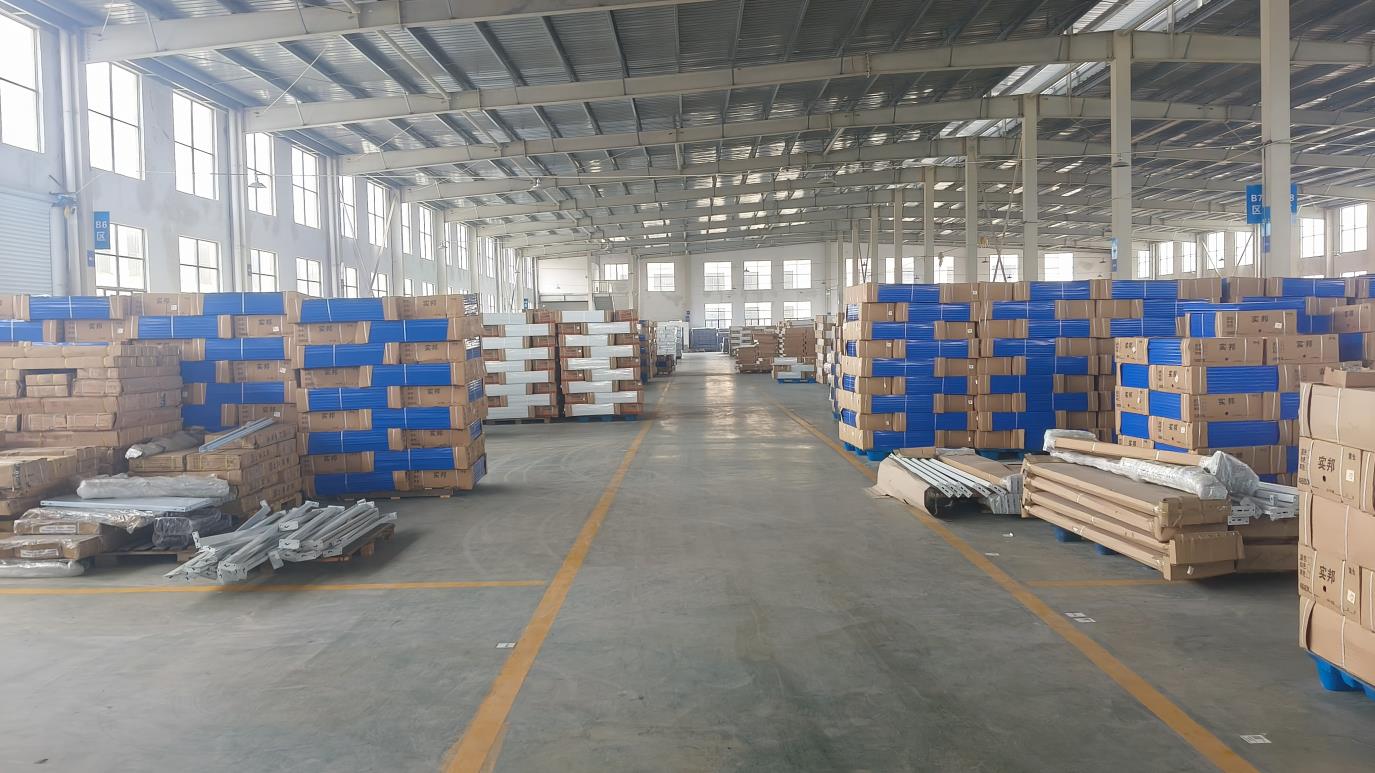
The Canadian logistics and warehousing sector is currently navigating a period of unprecedented space constraints. With prime industrial land prices reaching record highs in the Greater Toronto Area (GTA), Metro Vancouver, and the Montreal Metropolitan Area, logistics providers and manufacturing firms can no longer afford the luxury of wide-aisle storage configurations. Traditional selective racking systems require aisle widths ranging from 3.5 to 4.5 meters (12 to 15 feet) to accommodate standard forklifts, resulting in more than 45% of warehouse footprint being dedicated strictly to vehicular movement rather than inventory consolidation.
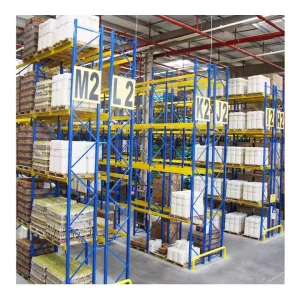
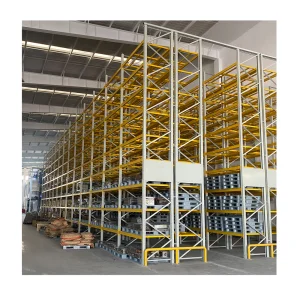
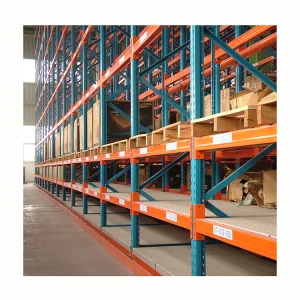
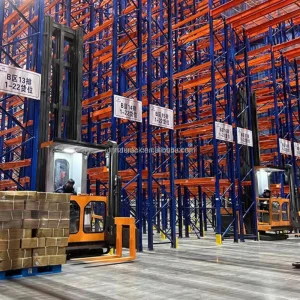
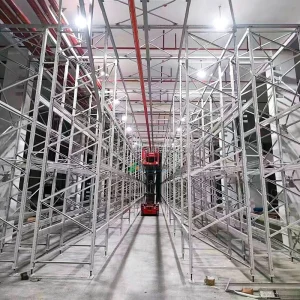
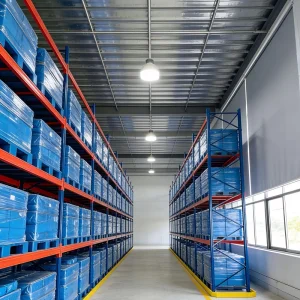
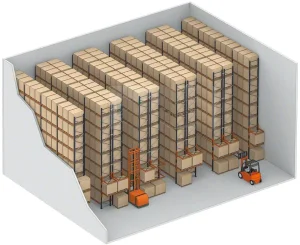
Very Narrow Aisle (VNA) racking systems have emerged as the definitive engineering solution to this challenge. By reducing operating aisles to as narrow as 1.5 to 1.8 meters (5 to 6 feet)—and utilizing specialized VNA turret trucks or automated guided vehicles (AGVs)—VNA storage structures increase overall storage density by up to 60% compared to standard layout formats. This space reclamation translates directly into mitigated operational costs, delayed capital expenditures for facility expansion, and lower utility overhead per pallet position, which is critically important for temperature-controlled storage operations in Calgary, Winnipeg, and Northern Ontario.
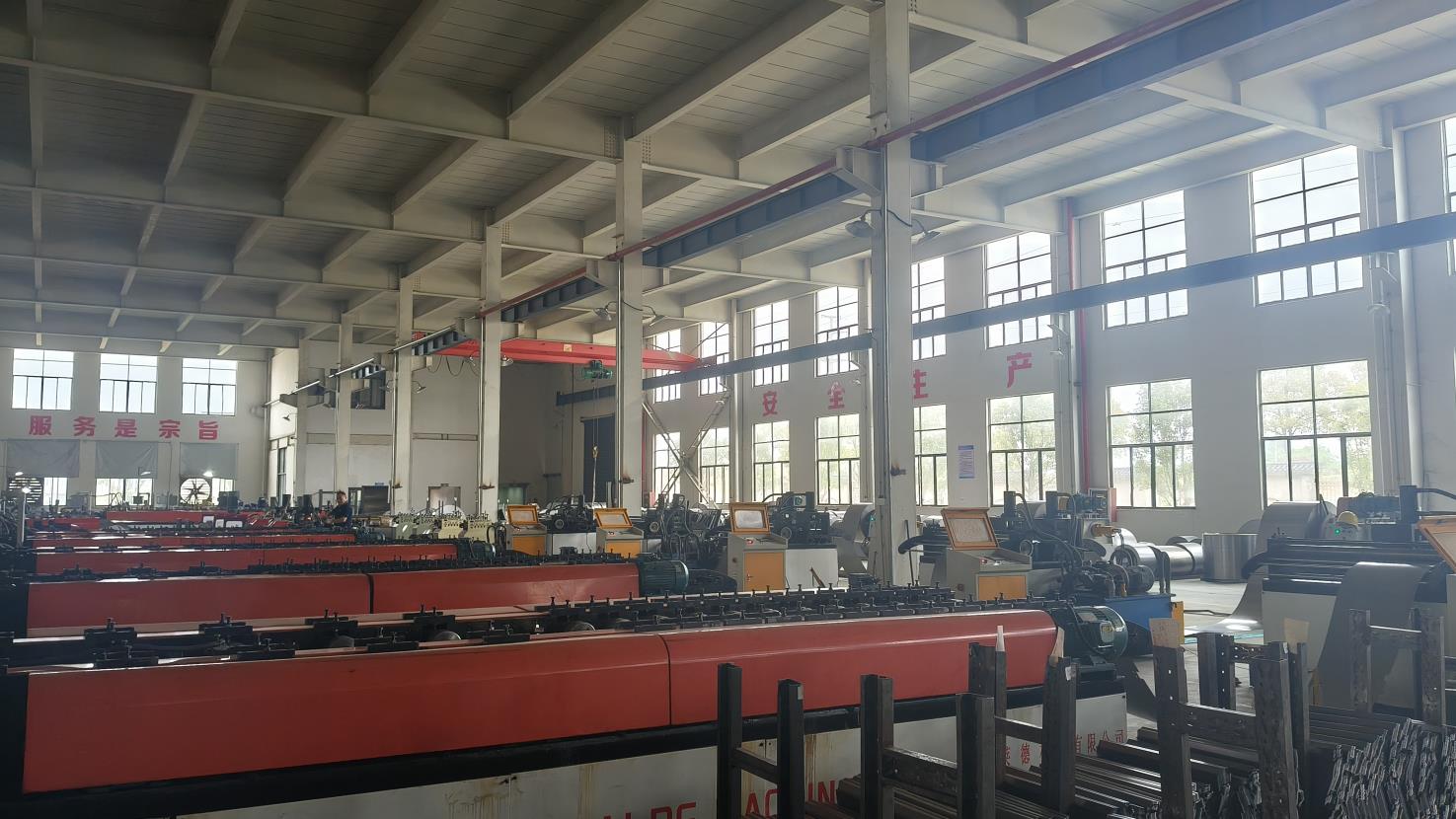
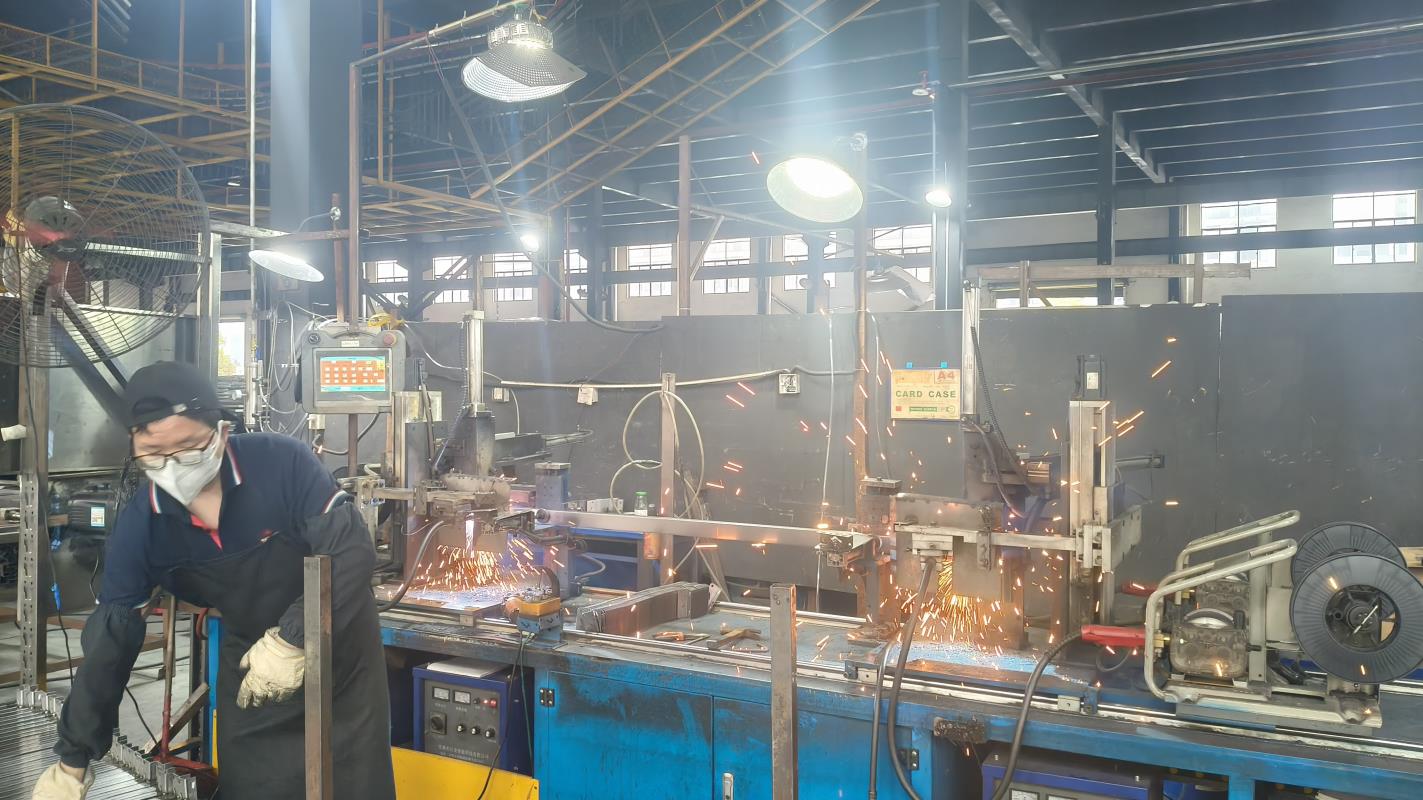
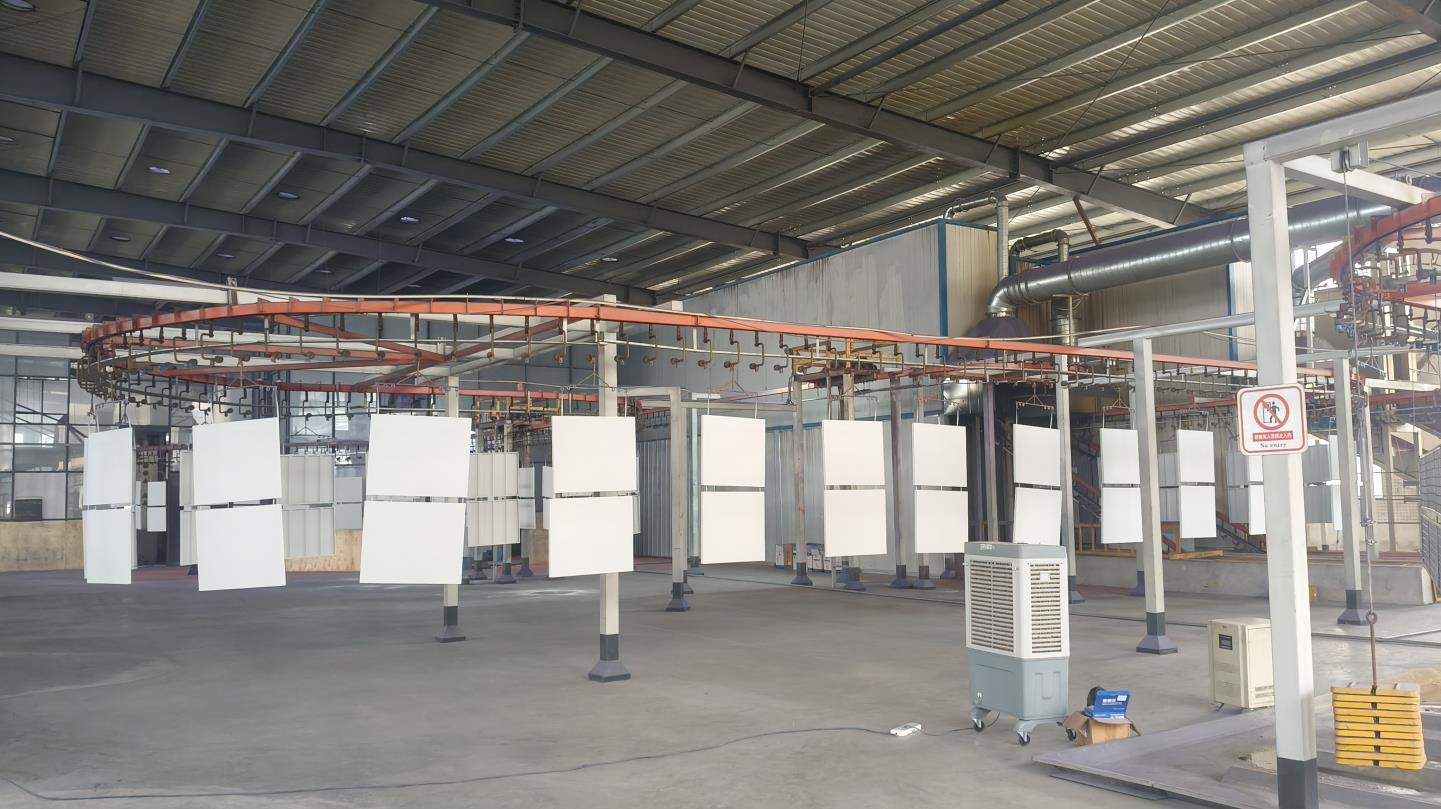
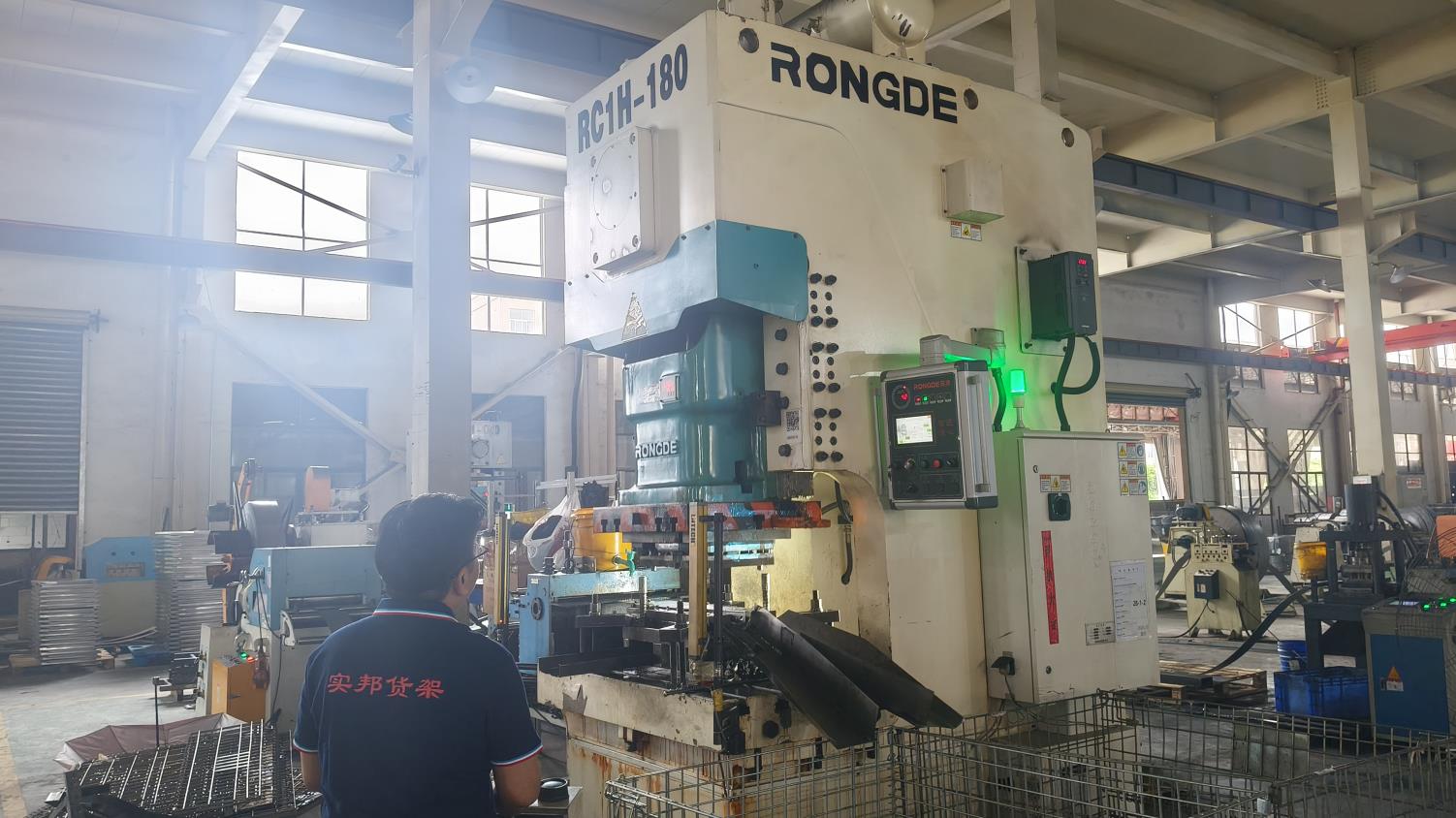
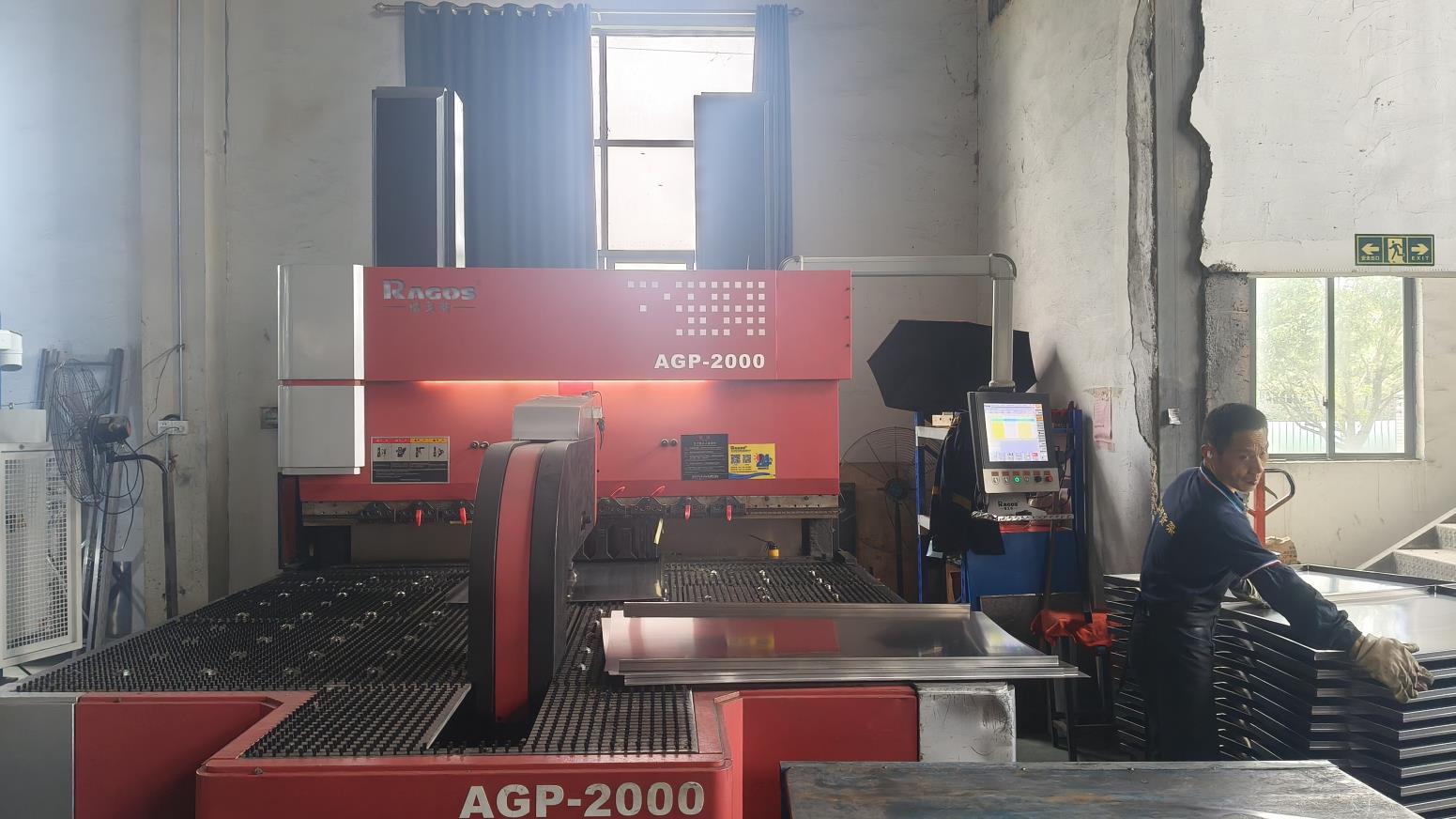
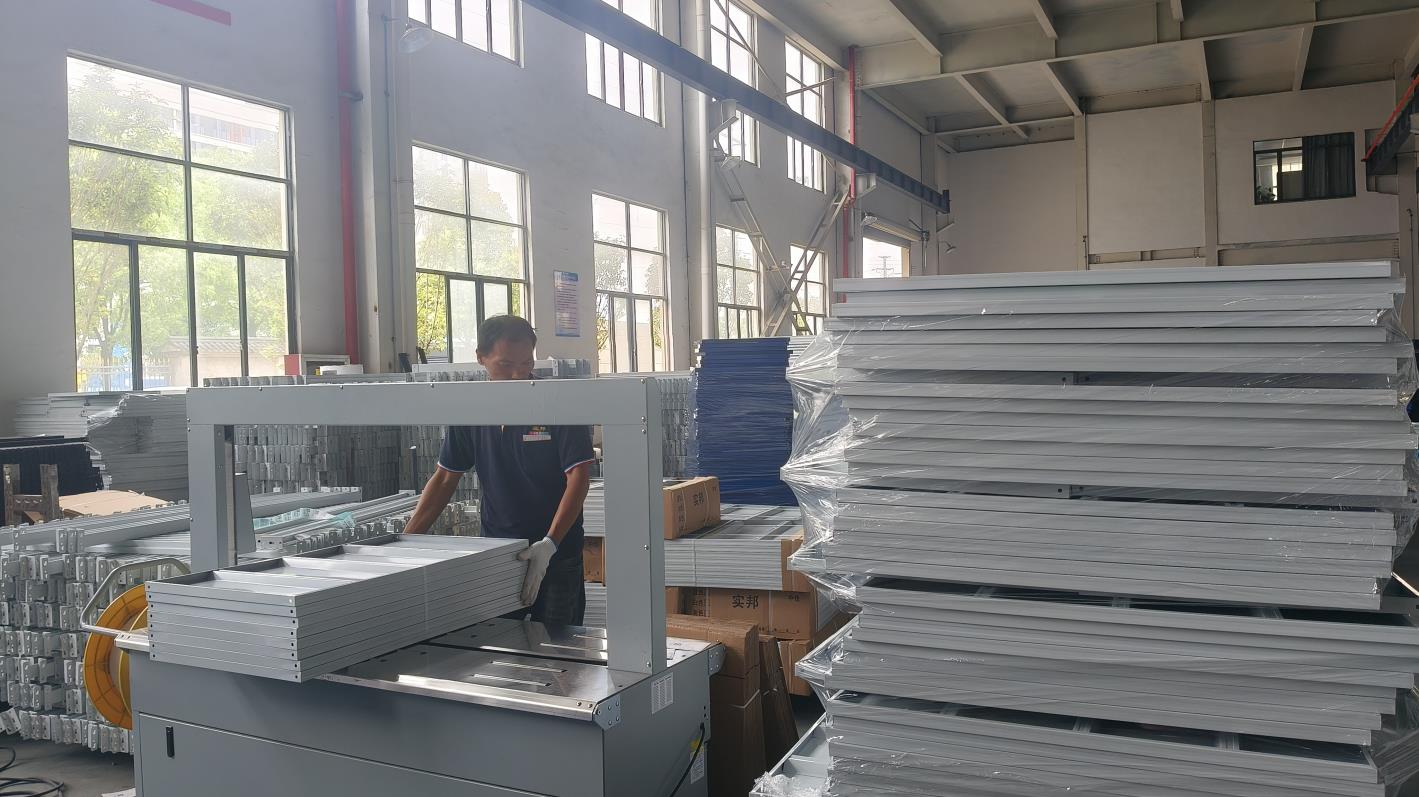
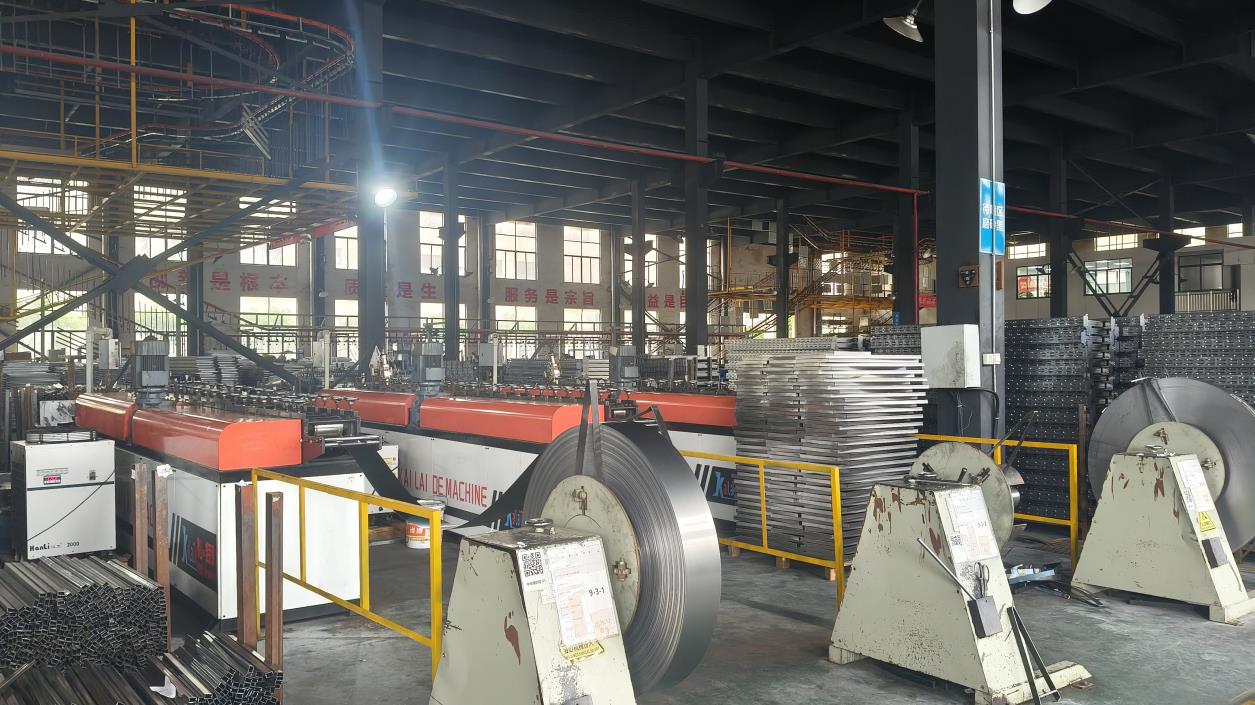
As leading manufacturers and suppliers, Guangzhou LogiSteel Racking Co., Ltd. customizes VNA systems to meet Canada's specific geographic and regulatory requirements. Our structural formulations are engineered not only for density but also to absorb the seismic hazards prevalent in British Columbia and the St. Lawrence River Valley, ensuring that vertical storage assets remain structurally stable under dynamic conditions.