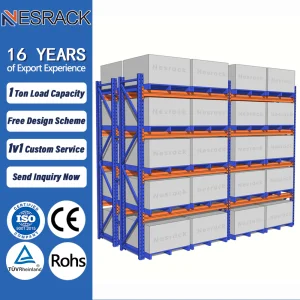
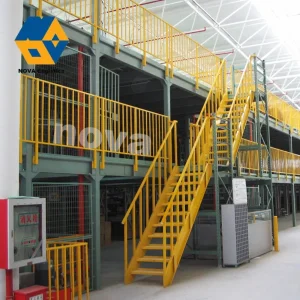
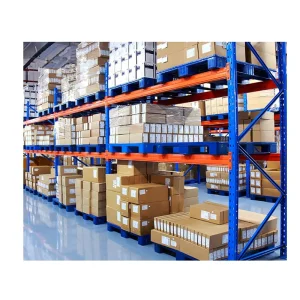
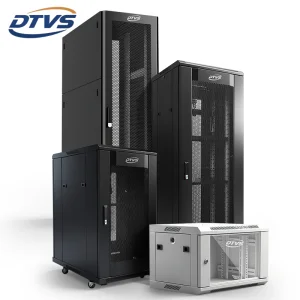
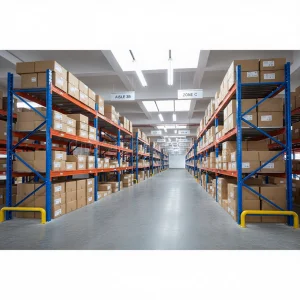
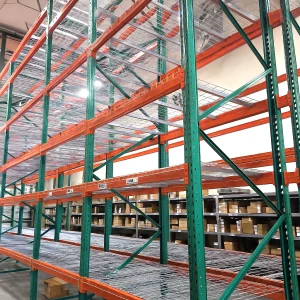
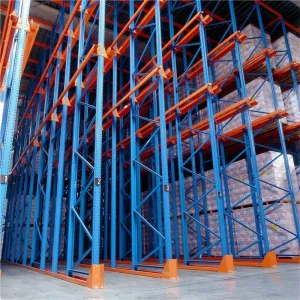
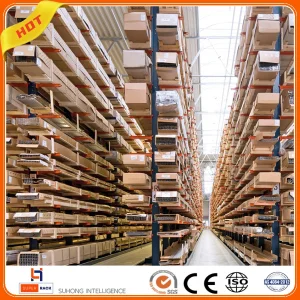
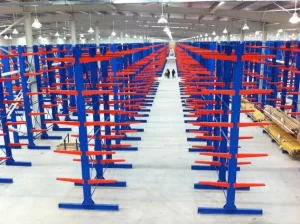
High-capacity structural configurations tailored for heavy industrial, logistical, and high-density material storage environments.
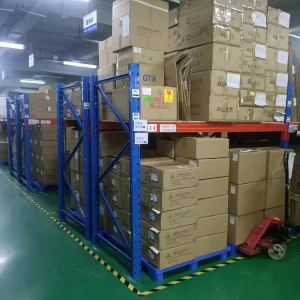
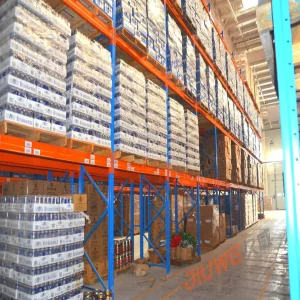
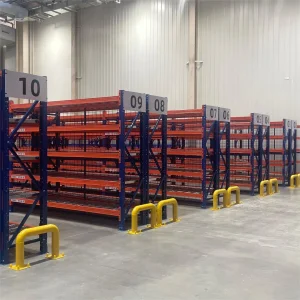
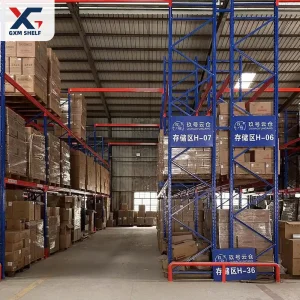
In the era of dynamic global supply chains, industrial space optimization is no longer just a facility management task—it is a critical pillar of corporate financial performance and logistics throughput. Urbanization, the exponential growth of e-commerce, and the shift towards regionalized manufacturing distribution centers have created unprecedented demand for advanced structural storage infrastructure.
Our heavy-duty steel shelving units are designed to address the primary pressures faced by modern logistics operators: maximizing volumetric floor space efficiency, ensuring high load safety factor margins, and establishing complete seismic structural compliance. By deploying robust metal frameworks utilizing premium cold-rolled steel profiles, our warehouse solutions withstand the rigorous daily wear of material handling equipment, providing an enduring physical backbone for continuous workflow operations.
Convert underutilized floor space into high-density storage zones, effectively doubling vertical capacity and minimizing real estate capital expenditure.
Constructed in strict accordance with international safety parameters (ISO, CE) to limit deflection, resist collisions, and ensure operational safety.
Sqm Production Base
Skilled Technicians
Annual Revenue (USD)
Consultation Turnaround
Industrial competence and precision engineering since inception, serving the world's most demanding logistics and commercial facilities.
Guangzhou LogiSteel Racking Co., Ltd. is a professional manufacturer specializing in the design, production, sales, and installation of various types of storage racking systems, display stands, and supermarket equipment. Over the years, LogiSteel has developed into a reliable supplier in the material handling and retail display industry.
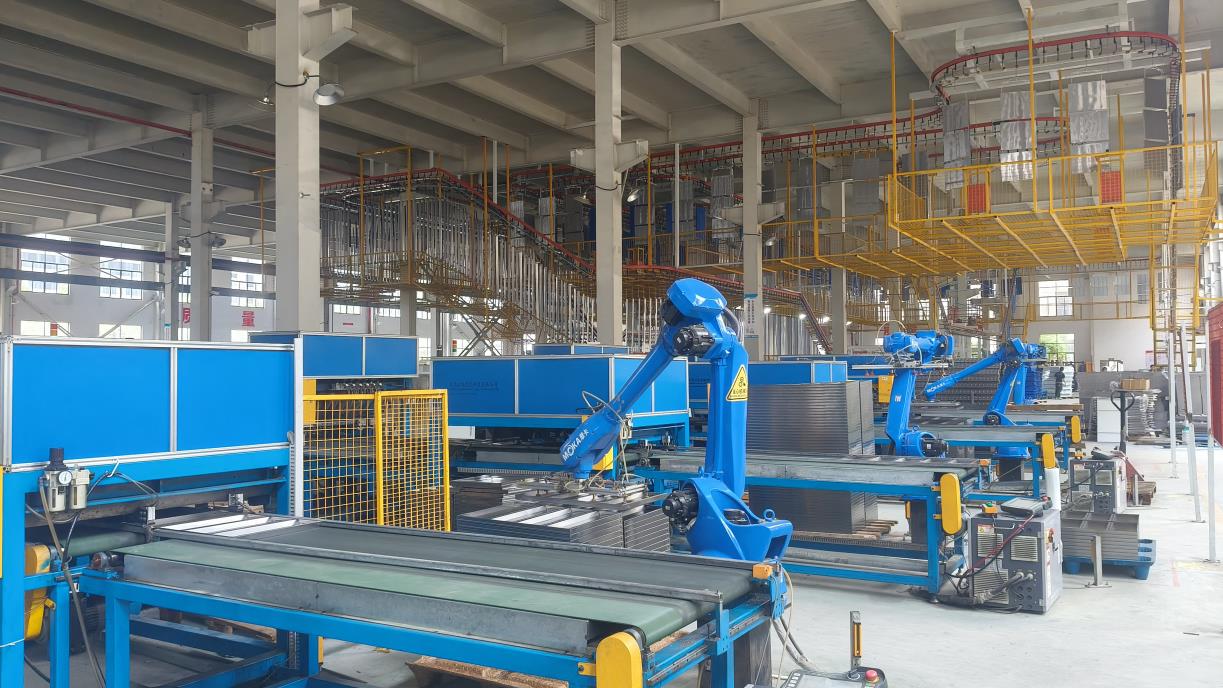
Our manufacturing complex covers an area of more than 15,000 square meters and employs over 200 skilled workers and specialized technical staff. Backed by strong structural engineering capability and advanced industrial machinery—including laser tube cutting saws, multi-station tube punching machines, heavy-duty guillotine shears, high-tonnage hydraulic punching machines, plate bending machines, and automated spot welding machines—we ensure high manufacturing precision and consistent tensile stability throughout the cold forming process.
Step-by-step visibility of our quality-controlled fabrication pipeline.
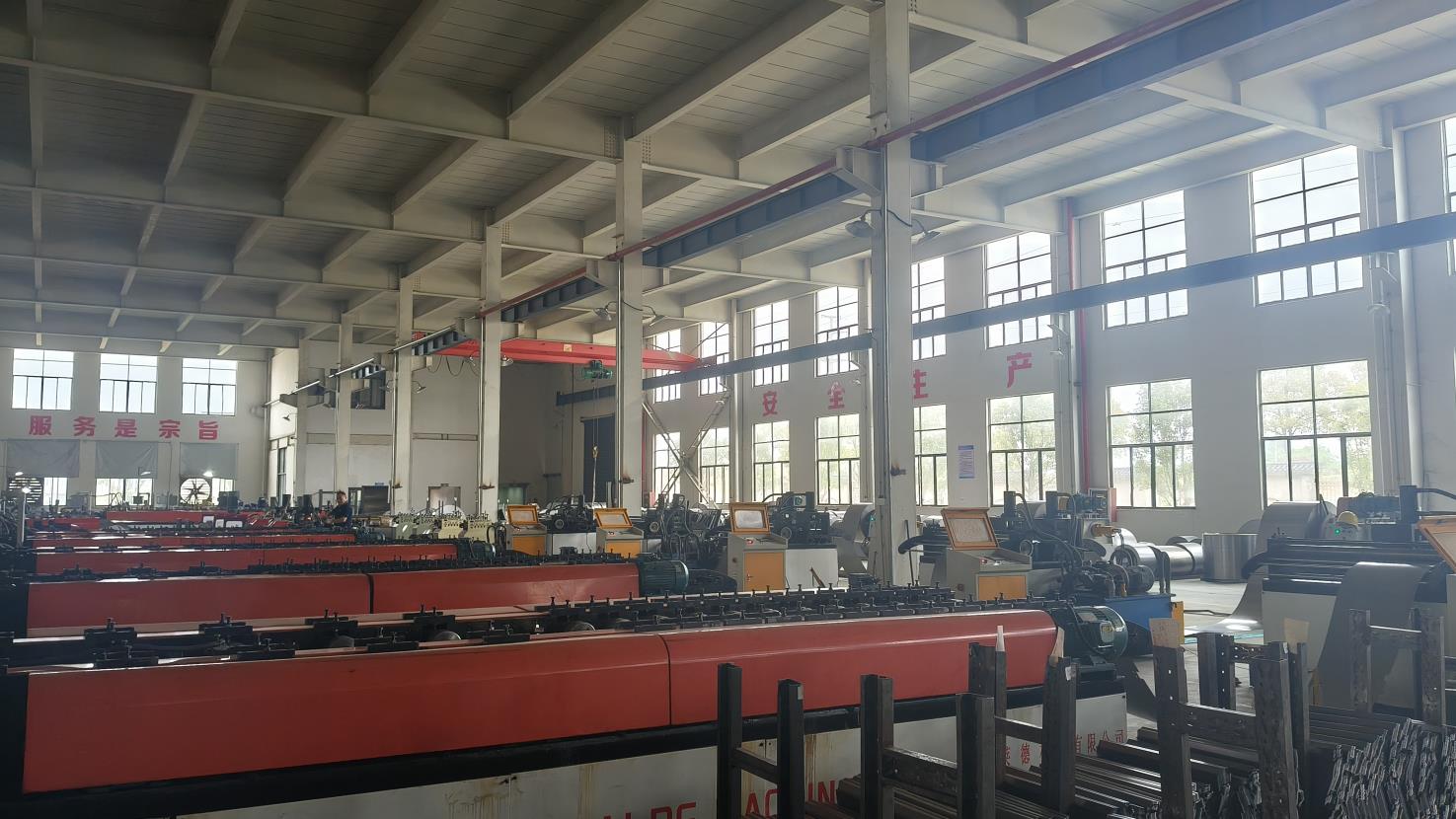
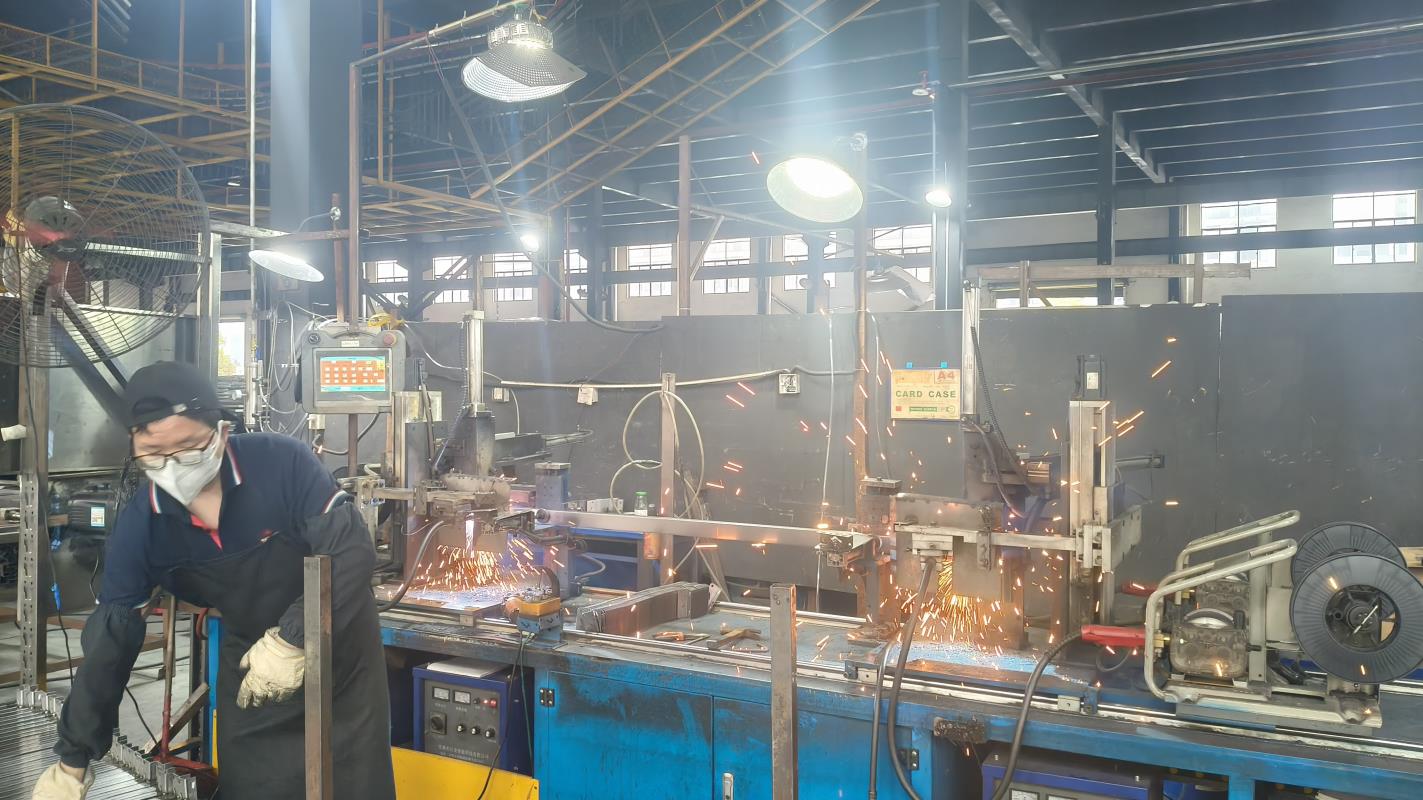
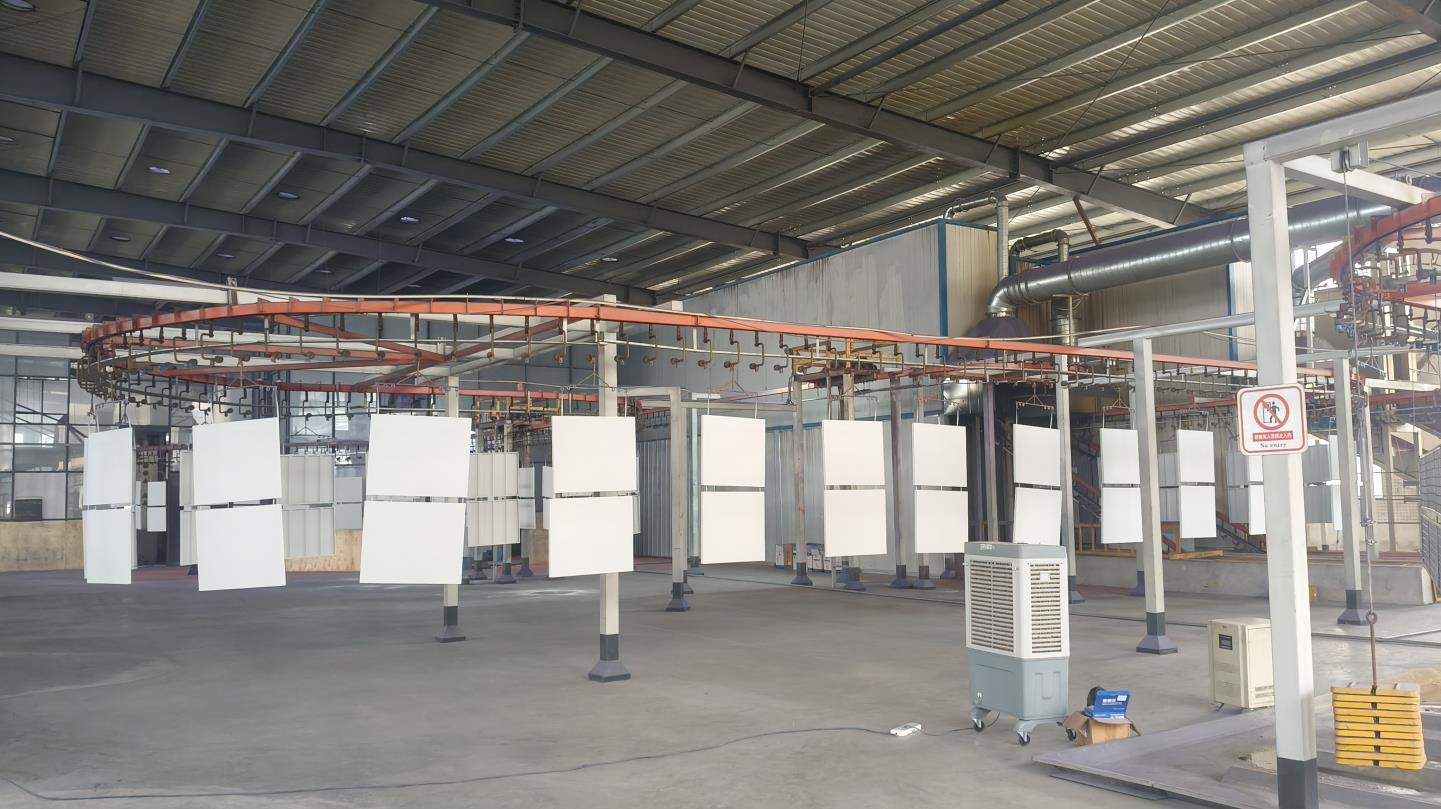
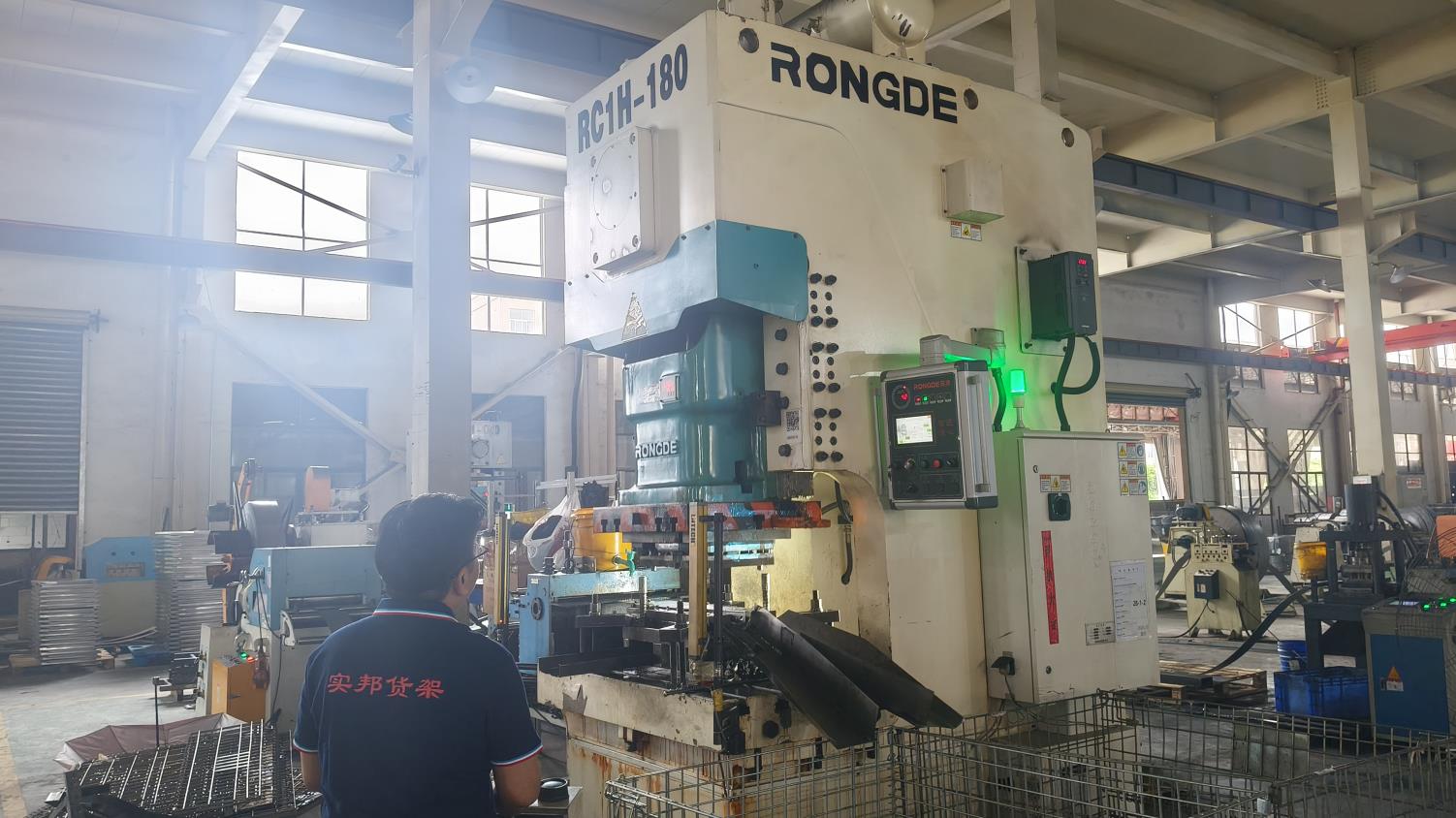
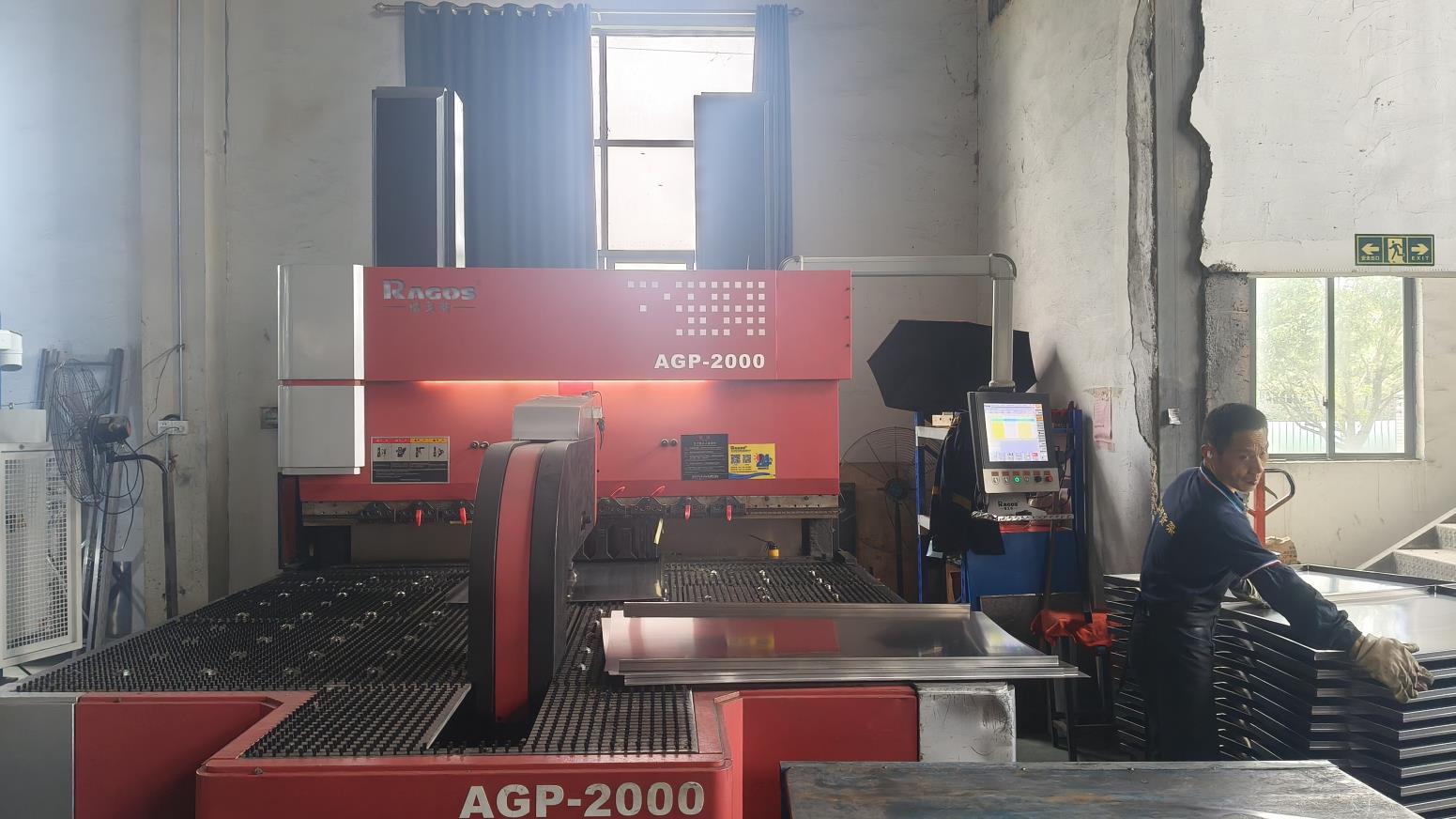
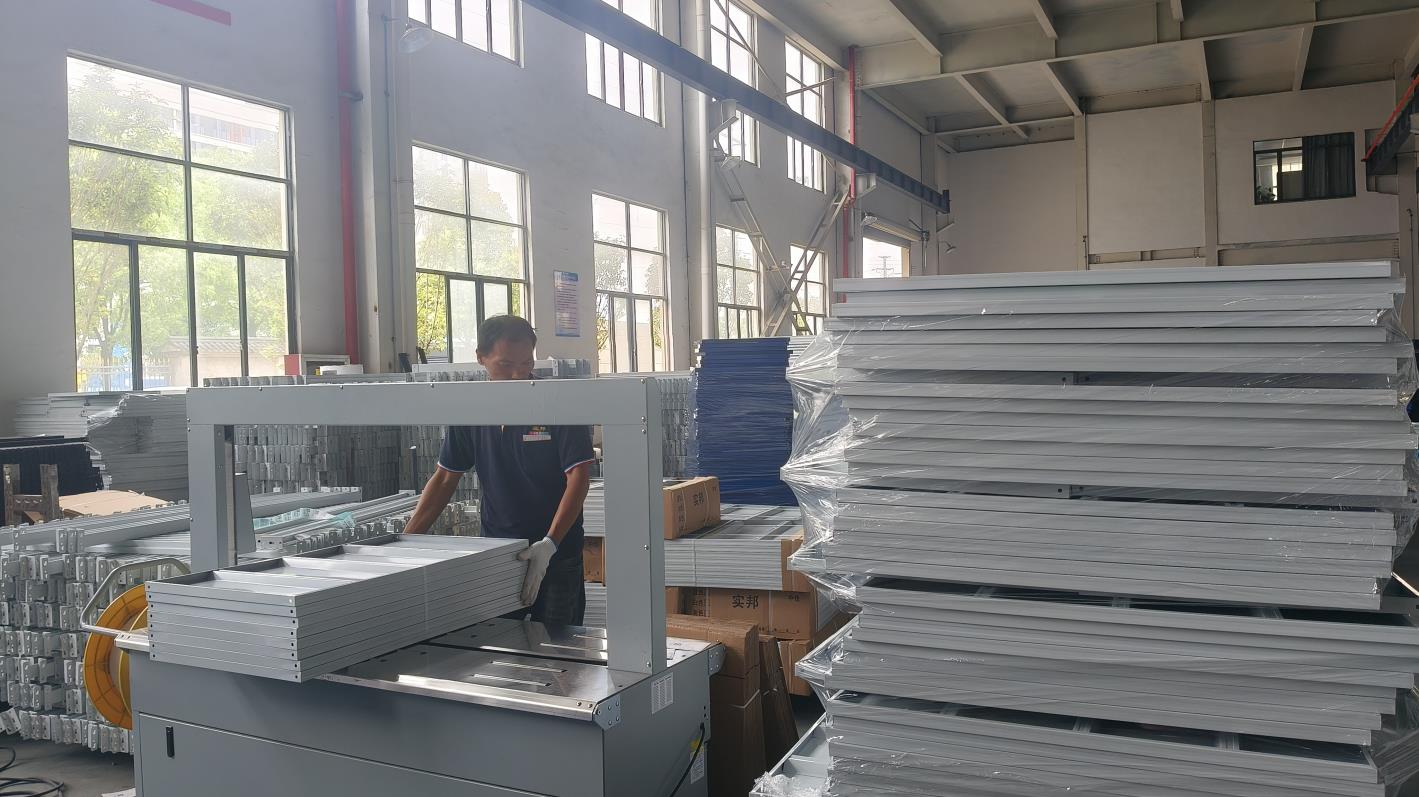
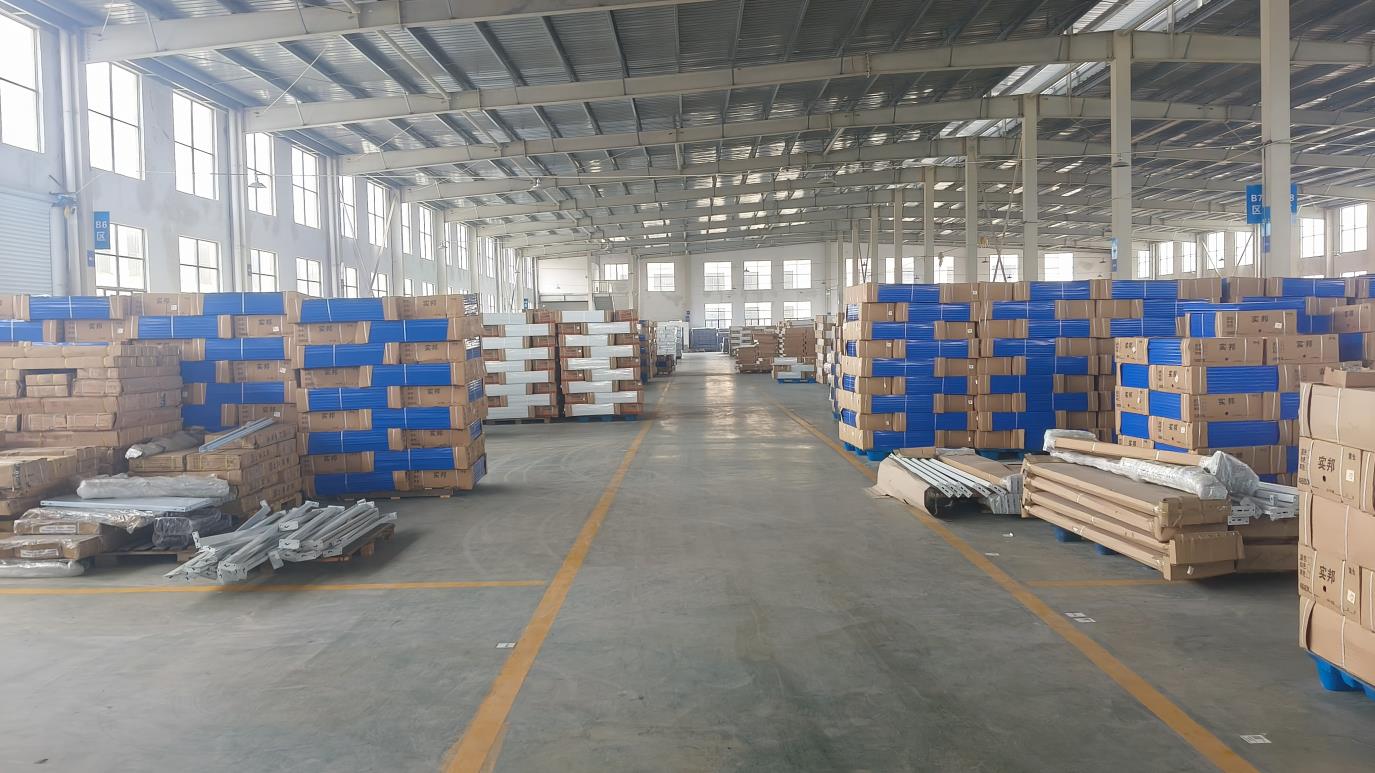
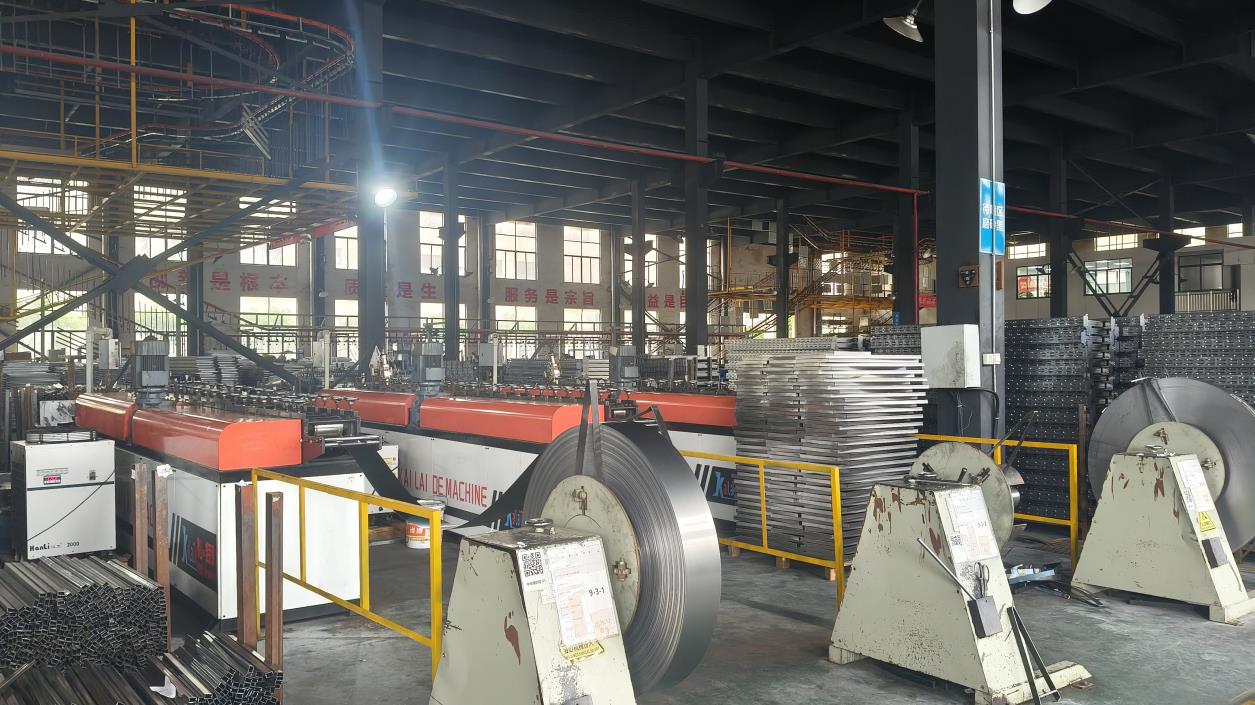
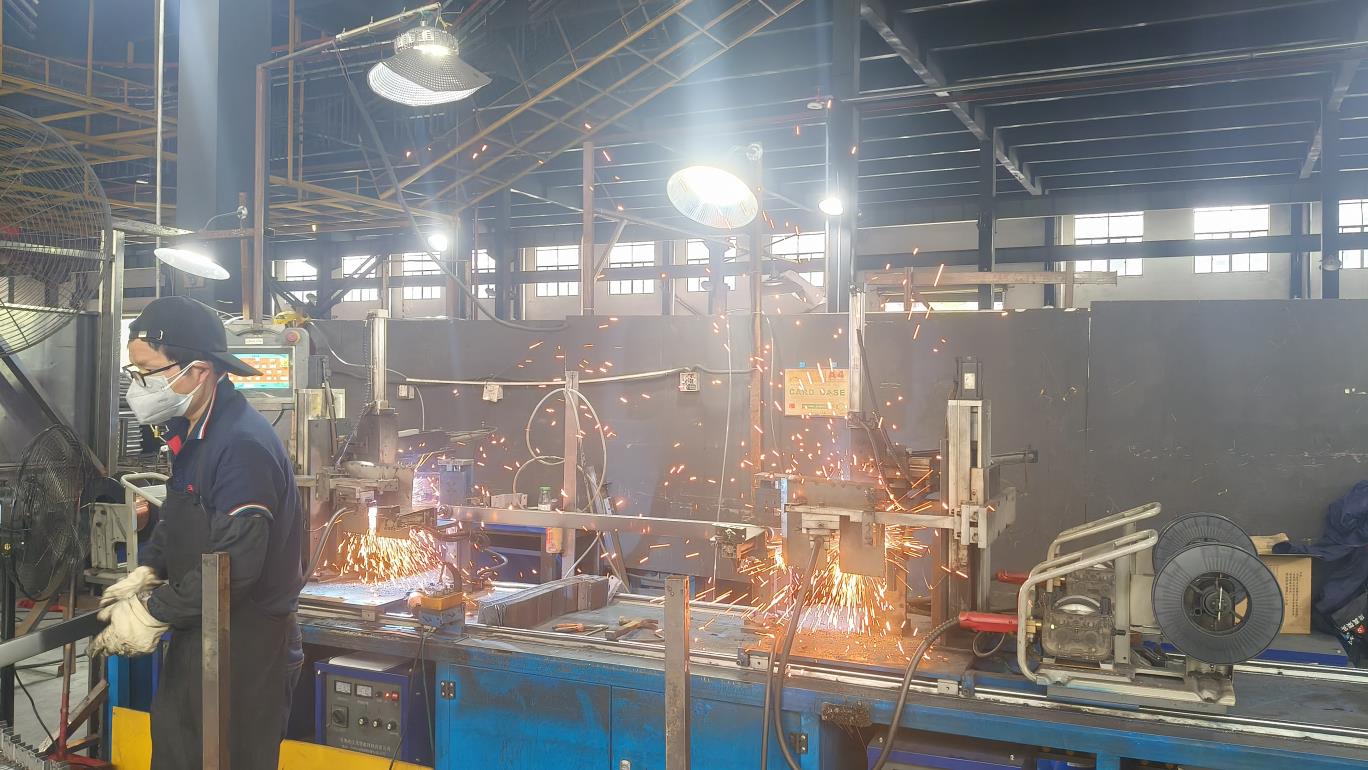
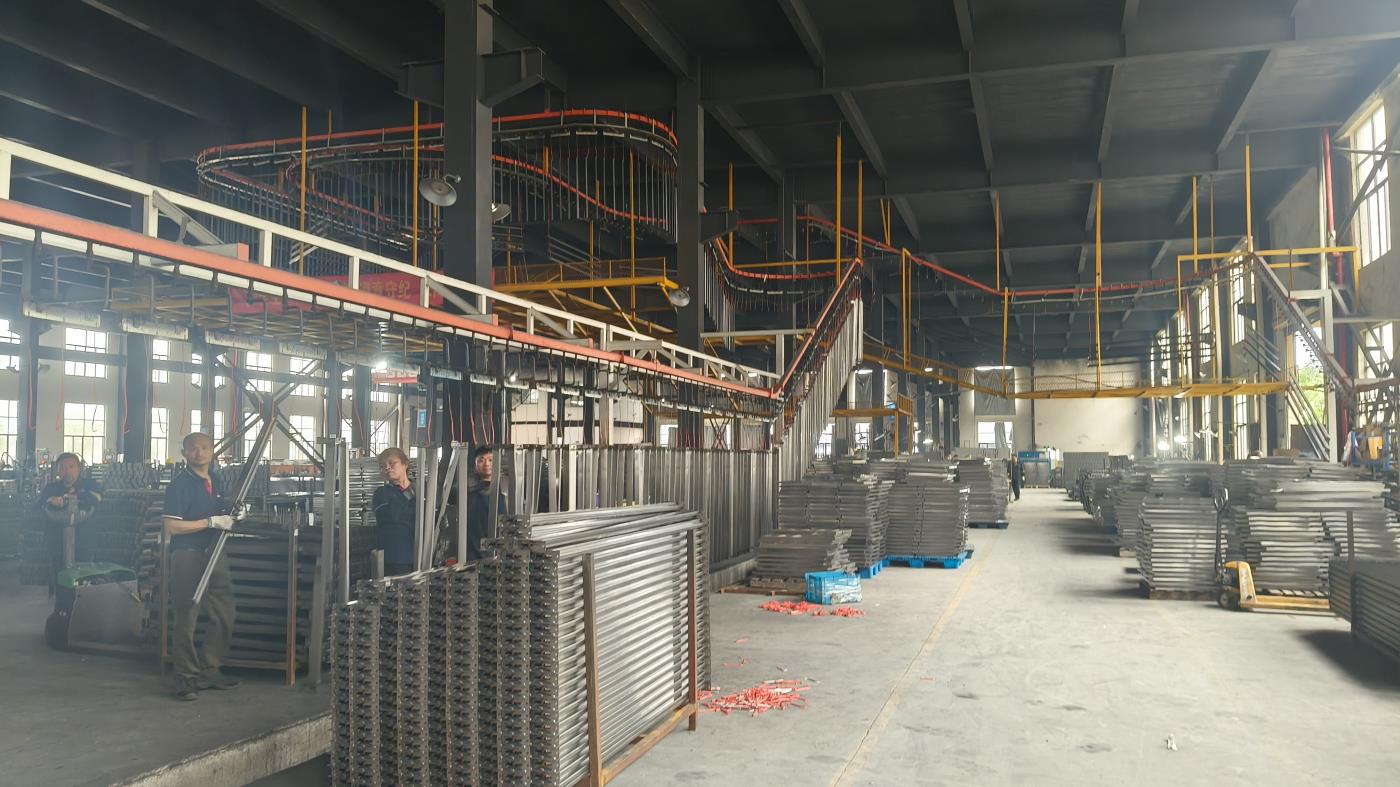
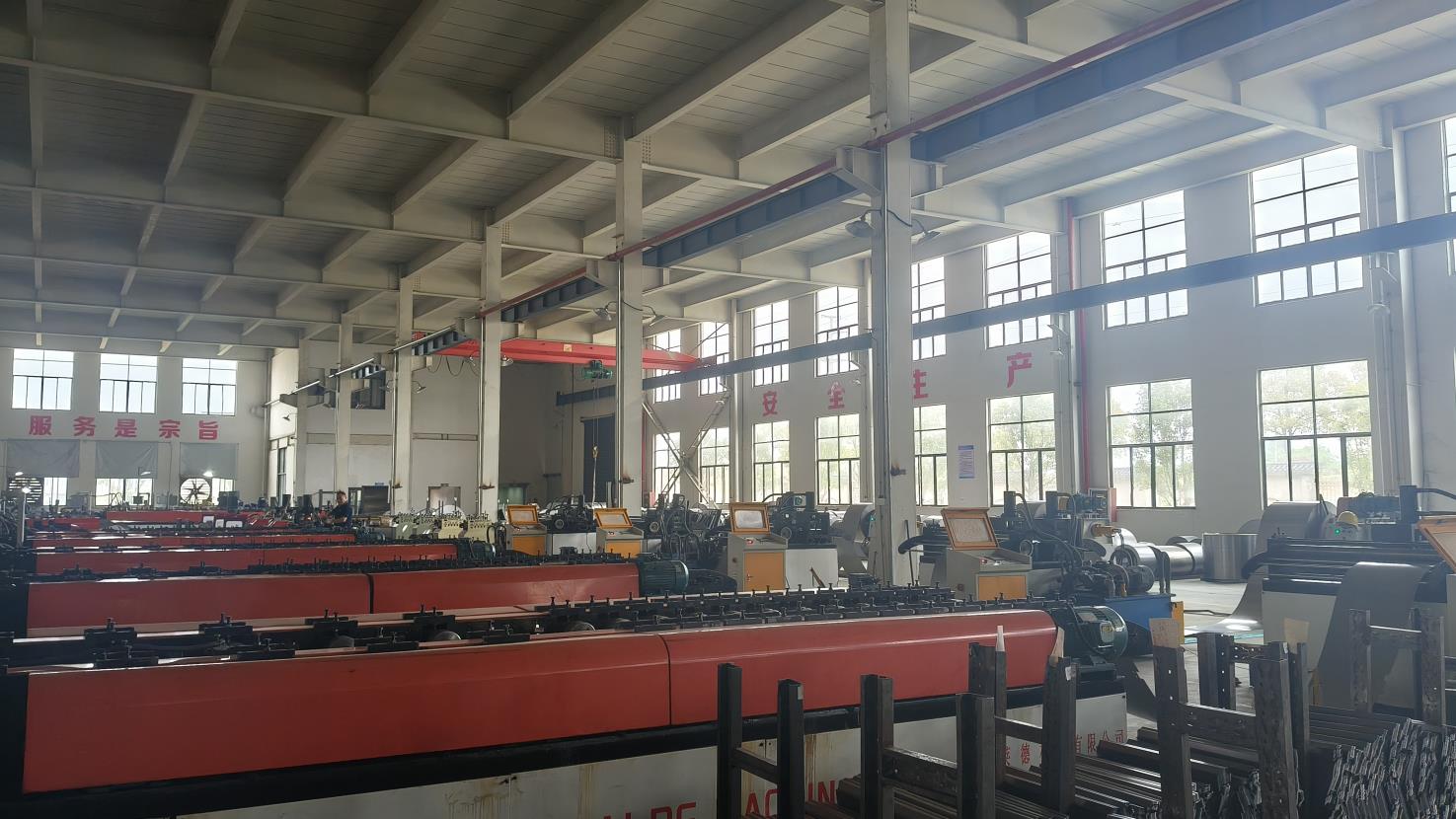
The durability of industrial shelving units depends directly on material chemistry and design tolerances. At LogiSteel, we utilize high-tensile Q235B and SPCC cold-rolled steel as our base substrate. These steel grades deliver balanced yields and tensile ratios, allowing columns to withstand substantial vertical compression without buckling.
Our upright columns undergo precise multi-stage roll forming, work-hardening the steel to enhance stiffness. The profile geometry is engineered with distinct rib bends to resist lateral torsional deflection. Following mechanical fabrication, components are prepared with a multi-stage pre-treatment wash (pickling, phosphating, and de-rusting) before applying a cross-linked electrostatic epoxy-polyester powder coating. This prevents oxidation in humid, refrigerated, or corrosive environments.
We deliver specialized, region-specific configurations matching distinct operational requirements across the globe:
Tailoring structural steel platforms and racking layouts to distinct industrial sectors.
Multi-tier mezzanines and boltless shelving configurations. Engineered to maximize picking speed, keep inventory visible, and allow floor layouts to adapt as needs change.
Specialized storage utilizing SPCC cold-rolled steel and highly controlled electrostatic surface finishes. Resists chemical sanitization washes and inhibits bacterial adhesion.
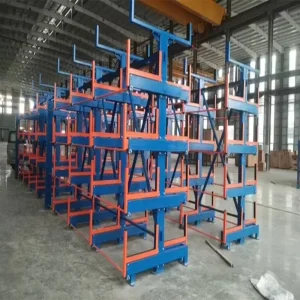
Heavy duty cantilever structures and custom push-back systems. Specifically engineered to store long pipes, engine blocks, and steel plate molds safely.
Industrial storage systems operate under constant mechanical stress. If a rack fails structurally, the consequences can be catastrophic for personnel safety and business continuity. At LogiSteel, we manage this risk with strict engineering design principles, finite element analysis (FEA), and physical testing of our configurations.
Our storage racks carry complete CE Certification, certifying adherence to strict European health, safety, and environmental standards. We design to meet the specifications of the European Federation of Materials Handling (FEM 10.2.02) and the Rack Manufacturers Institute (RMI) standards. For seismically active regions, we run simulated load models to calculate required base plate sizes, anchoring depths, and diagonal bracing layouts, keeping the installation stable during seismic events.
Guarantees all structural components follow safety requirements, utilizing trace-monitored raw steel supply chains.
All load-bearing beam connector plates are welded by automated robotic units and undergo penetrant inspection to prevent weld failures.
We verify load limits on real components to ensure beams do not sag past the L/240 deflection threshold when fully loaded.
How LogiSteel is shaping the next generation of smart warehouse support frameworks.
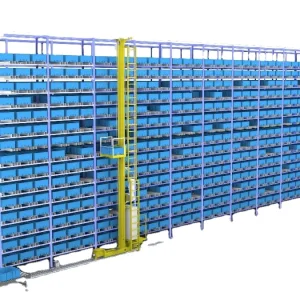
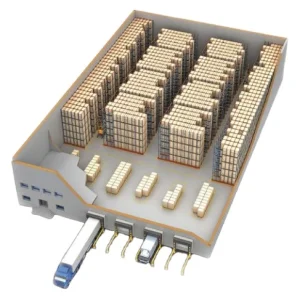
Select industrial models designed for specific handling processes, long material profiles, and robotic material storage.
Technical answers to help logistics managers, structural engineers, and purchasing directors plan shelving acquisitions.
We primarily utilize Q235B and SPCC cold-rolled steel. Q235B steel offers a minimum yield strength of 235 MPa and a tensile strength range of 370-500 MPa. This provides the optimal ductility-to-strength ratio required to cold-form stable warehouse racking uprights.
Our design engineering team configures calculations based on the structural criteria of these regions. This includes teardrop punching styles for American standard layouts and specific column footings, safety margins, and baseplate anchorage configurations to meet AS4084 requirements in Australia.
All products undergo multi-stage chemical pre-cleaning (acid pickling to remove mill scale, followed by phosphating to create an anchor profile). We then apply an electrostatic epoxy-polyester powder coating (typically 60-80 microns thick) cured at high temperatures to produce a durable, scratch-resistant surface. We also offer hot-dip galvanizing for cold storage and high-moisture facilities.
Our design engineers provide complete spatial planning using CAD and solid modeling software. If structural calculations are needed for high-risk seismic zones, we run finite element modeling to determine required baseplate thicknesses, column sections, and bracing patterns to meet local building codes.
Typical production lead time ranges from 20 to 30 days from final design sign-off, depending on order volume. Standard export packaging uses high-density bubble wrap, steel strapping, and wooden pallets to secure the components during maritime transit and prevent surface damage.
 LogiSteel Racking