Discover our engineering-grade warehouse structural frameworks designed to maximize overhead space and integrate seamlessly with modern barcode and electronic shelf labeling (ESL) systems.
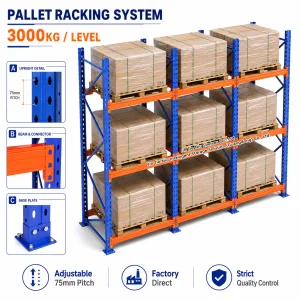
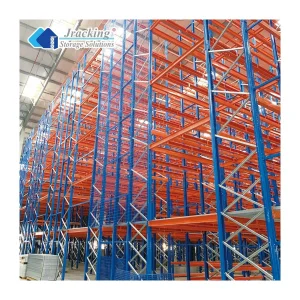
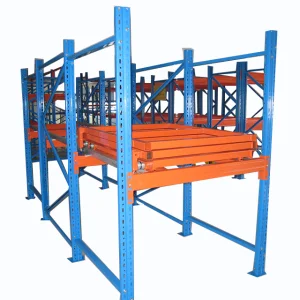
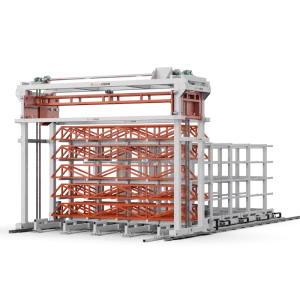
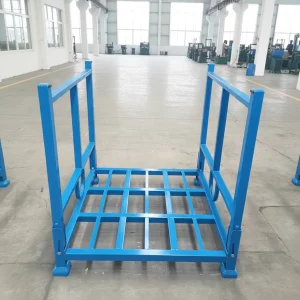
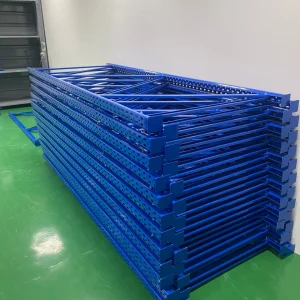
In high-throughput distribution hubs and smart industrial warehouses, spatial layout is only half the battle. A rack without a precise, durable, and highly visible identification marker is a liability. Guangzhou LogiSteel Racking Co., Ltd. stands at the critical intersection of heavy-duty physical engineering and physical-to-digital inventory labeling logic. As a premier global manufacturer, we deliver systems engineered to secure raw structural loads while seamlessly hosting high-precision barcode tracking and Electronic Shelf Labeling (ESL) holder structures.
Modern supply chain optimization utilizes optical scanning, automatic guide vehicles (AGVs), and RFID tags. Thus, standard shelf labeling has evolved. Industry leaders no longer rely on simple adhesive stickers that degrade under UV light or flake off in cold storage. Instead, modern operators specify heavy-duty magnetic C-channels, integrated scanner-compatible ticket holders, and specialized dynamic racking profiles designed to protect data markers from forklift impacts and structural wear.
Choosing the correct racking structure requires an understanding of how it supports barcode placement and scanner readability. The table below lists the technical parameters for integrating our standard heavy-duty structural racks with specialized industrial tagging profiles.
| Racking Type | Optimal Label Placement | Material Compability | Environmental Threshold | Target Scanning Method |
|---|---|---|---|---|
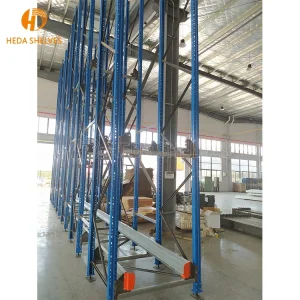
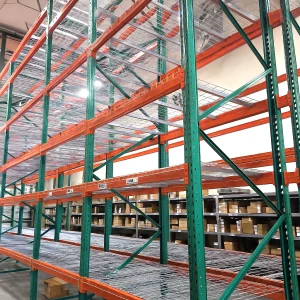
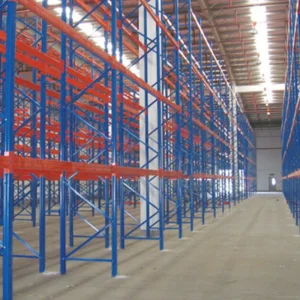
| Selective Pallet Racking | Beam Face C-Channel Holders | Pre-galvanized / Powder Coated | -30°C to +60°C | Long-range Optical Barcode |
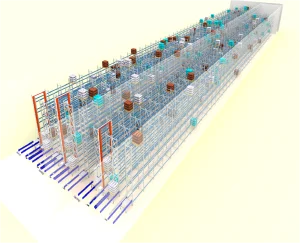
| AS/RS Automated Shuttle Systems | Laser Etched Aluminum Carrier Panels | High-Tensile Cold Formed Steel | -40°C to +55°C (Cold Chain Optimized) | RFID Tagging & Machine Vision Cameras |
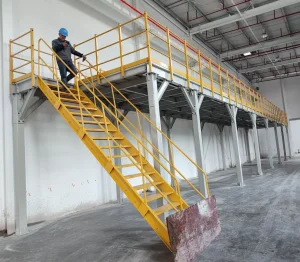
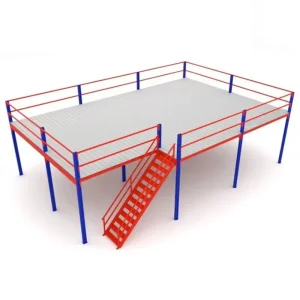
| Mezzanine Multi-Tier Systems | Edge-mounted Protective Card Holders | Q235B Carbon Steel Floor Rails | Non-condensing Dry Storage | Short-range Handheld Scanners |
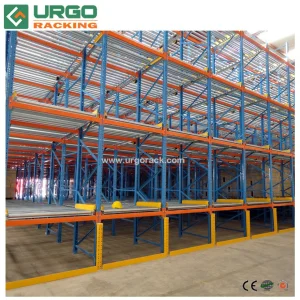
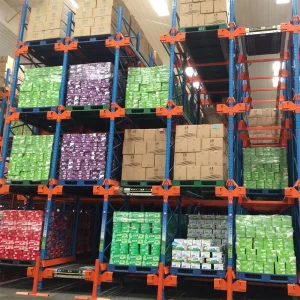
| Push Back & Gravity Flow Racks | Dynamic Rail Front Plates | Stainless Steel / Anodized Alum | Corrosive chemical-safe | Continuous Optical Pick-to-Light Sensors |
As the logistics sector transitions toward Industry 5.0, physical steel racks are transforming from passive storage structures into active network nodes. The incorporation of Electronic Shelf Labels (ESL) and digital e-ink panels directly onto warehouse pallet racking systems is driving this revolution. These active displays require specific mechanical integration to prevent damage from continuous loading and unloading.
LogiSteel is at the forefront of this transition, developing customized racking profiles that feature recessed label tracks. These tracks act as armor for digital labels, shielding wireless transmission modules and E-ink screens from direct shear forces. Over the next five years, our R&D roadmap is focused on integrating thin-film solar energy harvesting units into rack beams to power local electronic shelf tags, reducing battery reliance and environmental footprint in automated distribution centers.
"Integrating physical data tags directly onto the structural steel frame bridges the gap between hardware strength and real-time enterprise resource planning (ERP) visibility."
Every industry faces distinct material handling and identification challenges. Our manufacturing facility designs systems tailored to these specific operational requirements:
Operating in global markets like Europe, North America, South America, and Oceania requires adherence to strict quality and safety certifications. Guangzhou LogiSteel Racking Co., Ltd. ensures all materials meet international safety requirements. Our manufacturing lines produce systems compliant with CE Standards, and we utilize raw Q235B and Q355B steel sourced from premium Chinese steel mills, backed by certified mill test sheets.
To support local engineering practices, our design engineers configure loading profiles according to FEM (European Federation of Materials Handling) regulations and RMI (Rack Manufacturers Institute) guidelines. Every batch of racking components undergoes rigorous testing, including weld penetration inspections, tensile tests, and powder-coating thickness tests, ensuring your facility remains compliant with local occupational health and safety standards.
Located in Guangzhou, our modern facility covers over 15,000 square meters. Operating under the principles of Factory 4.0, we utilize advanced automation and mechanical precision to guarantee consistent product quality, rapid lead times, and structural durability. Here is an overview of our advanced production workflow:
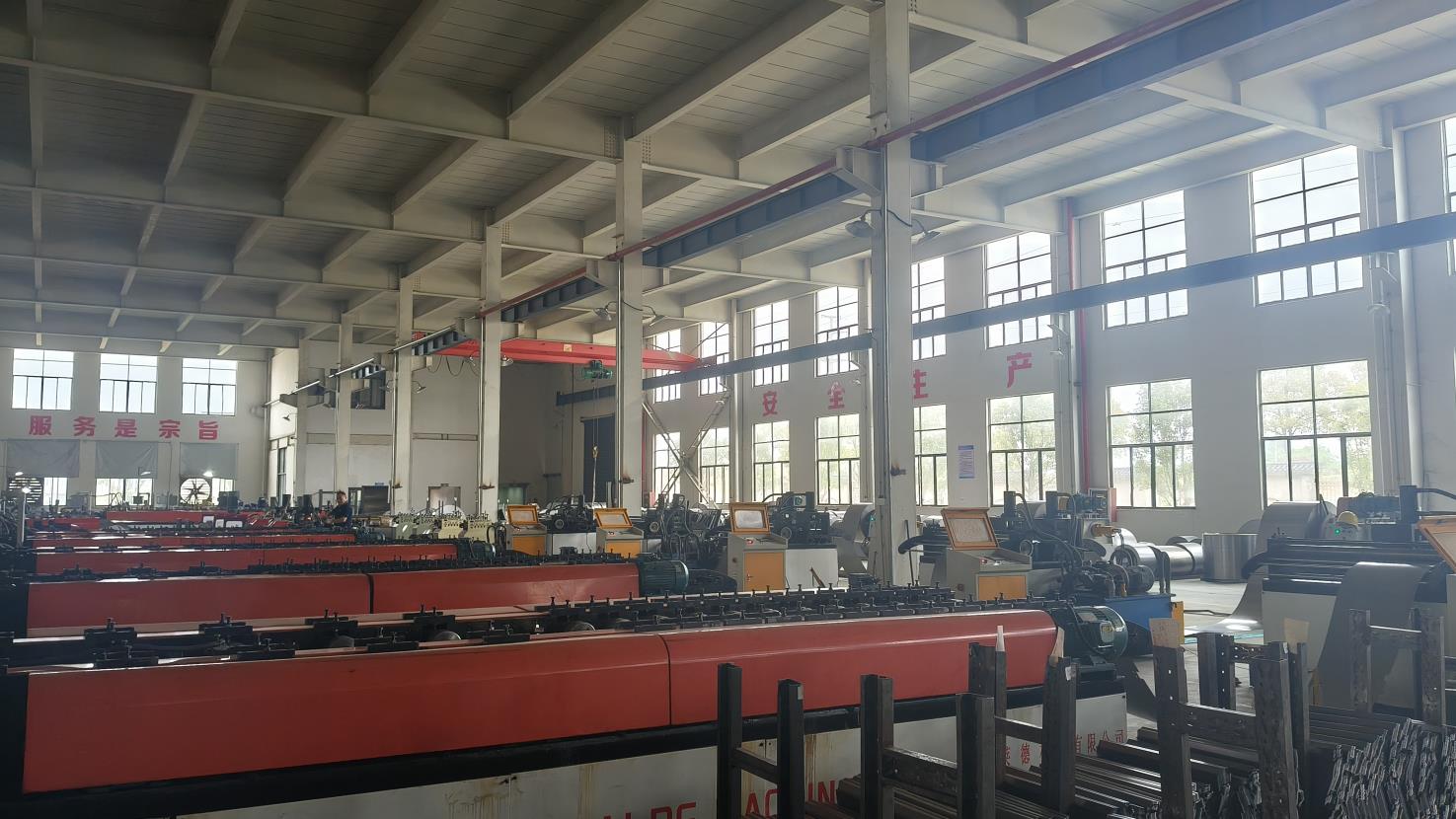
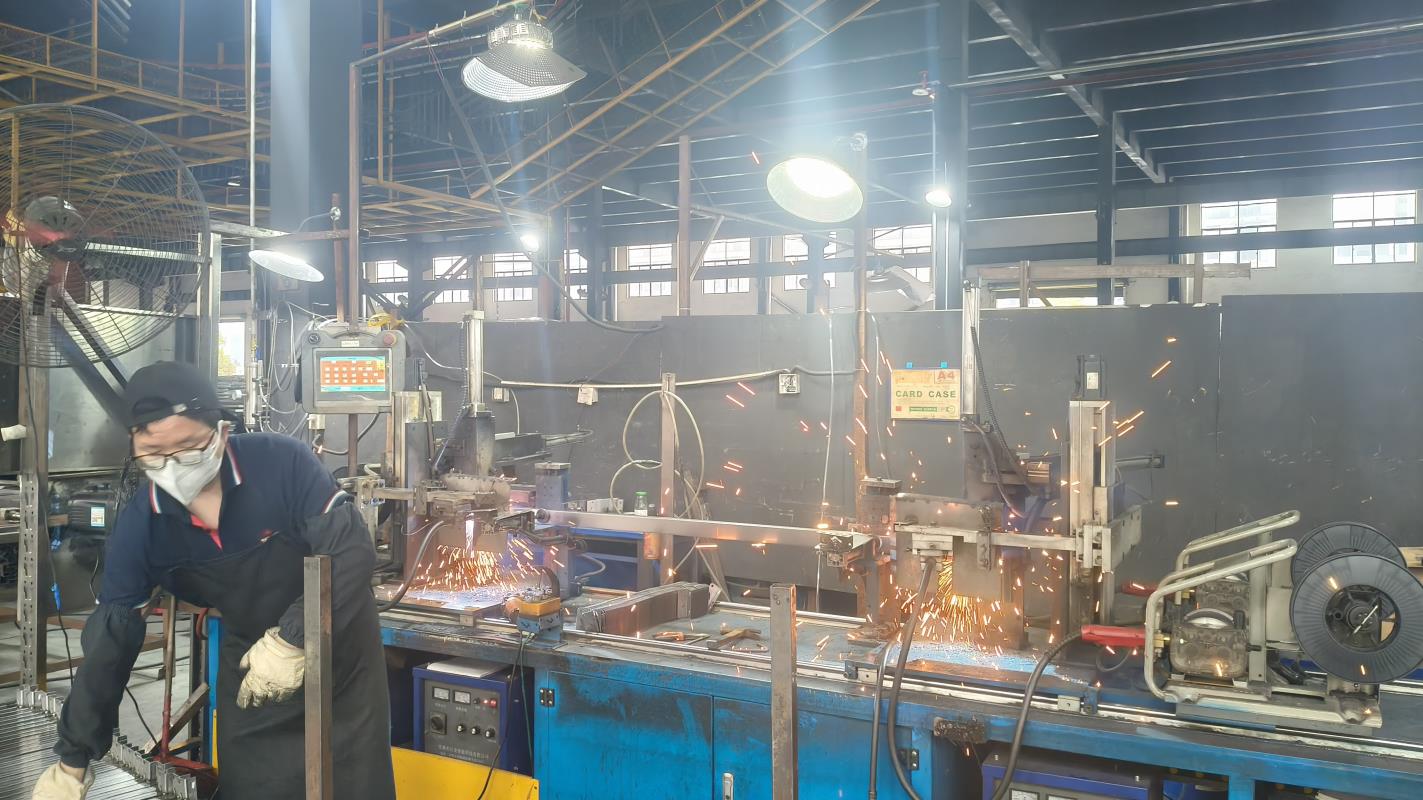
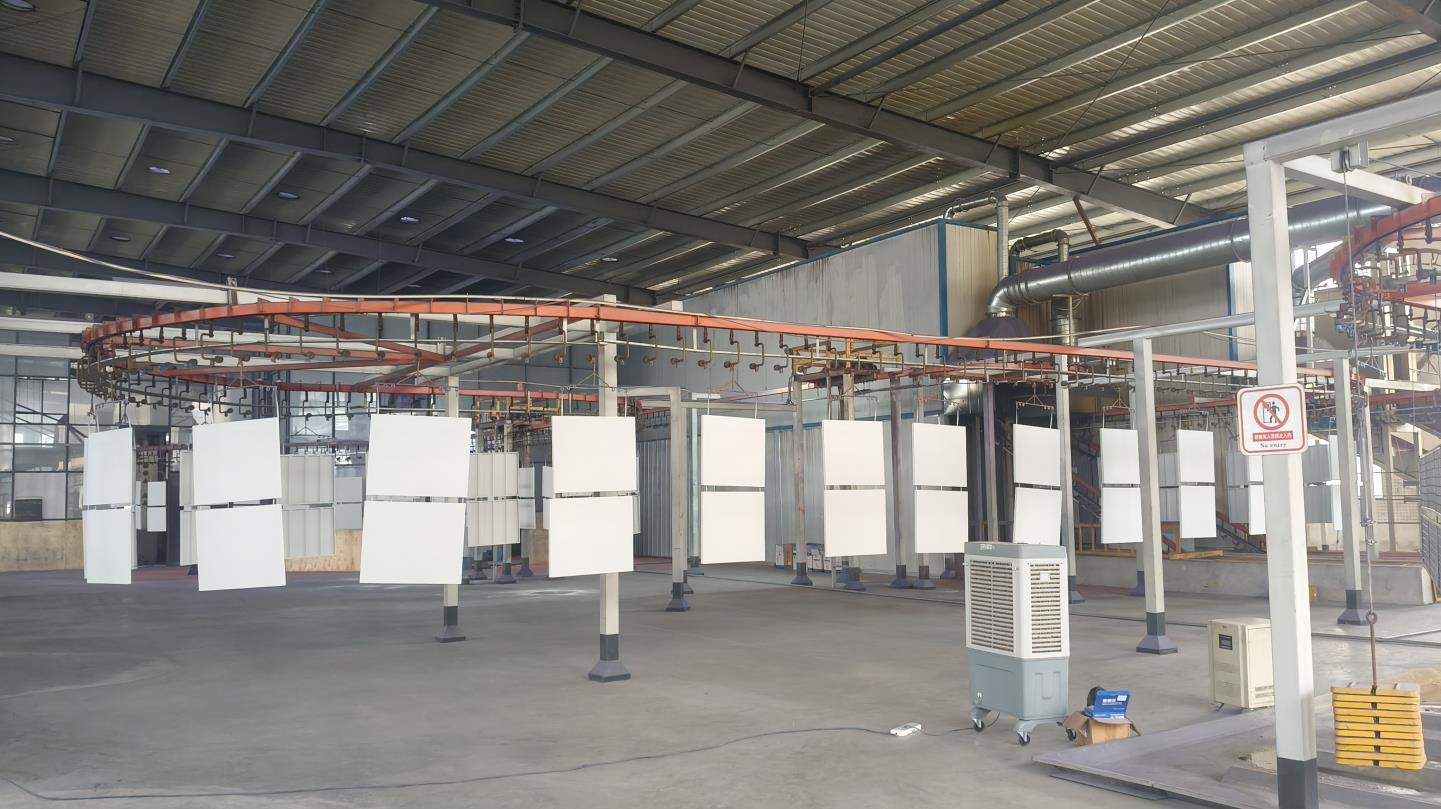
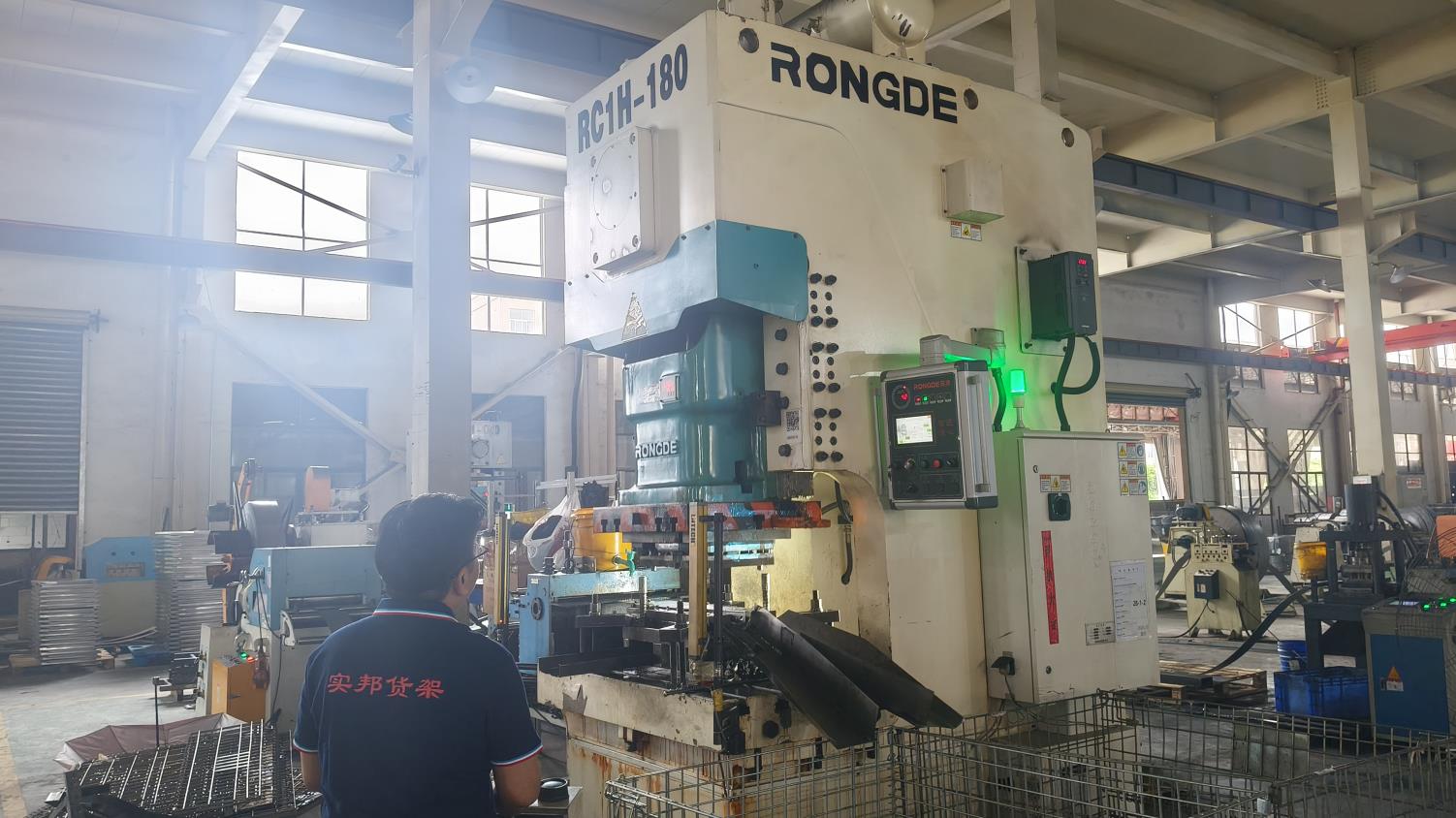
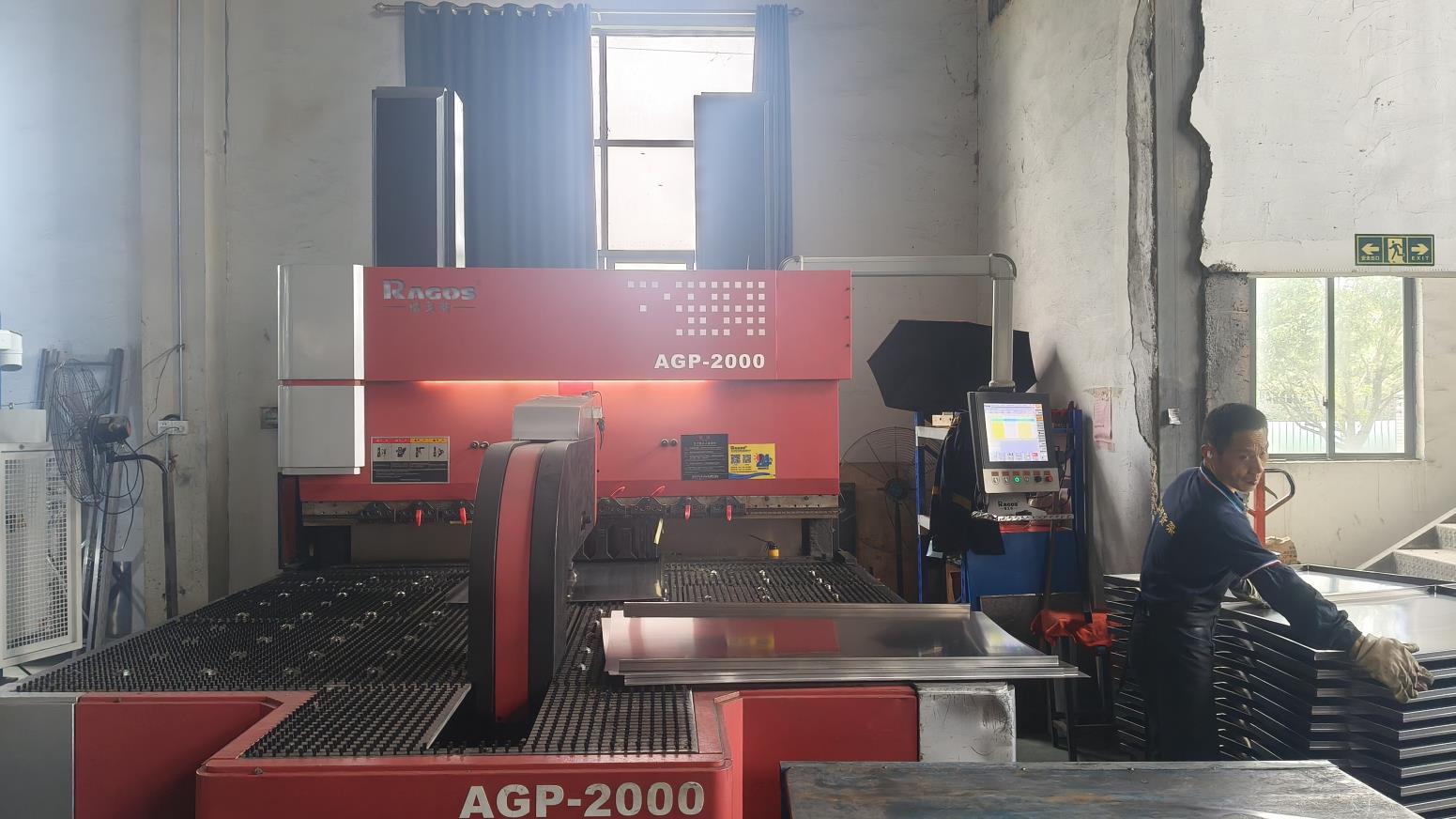
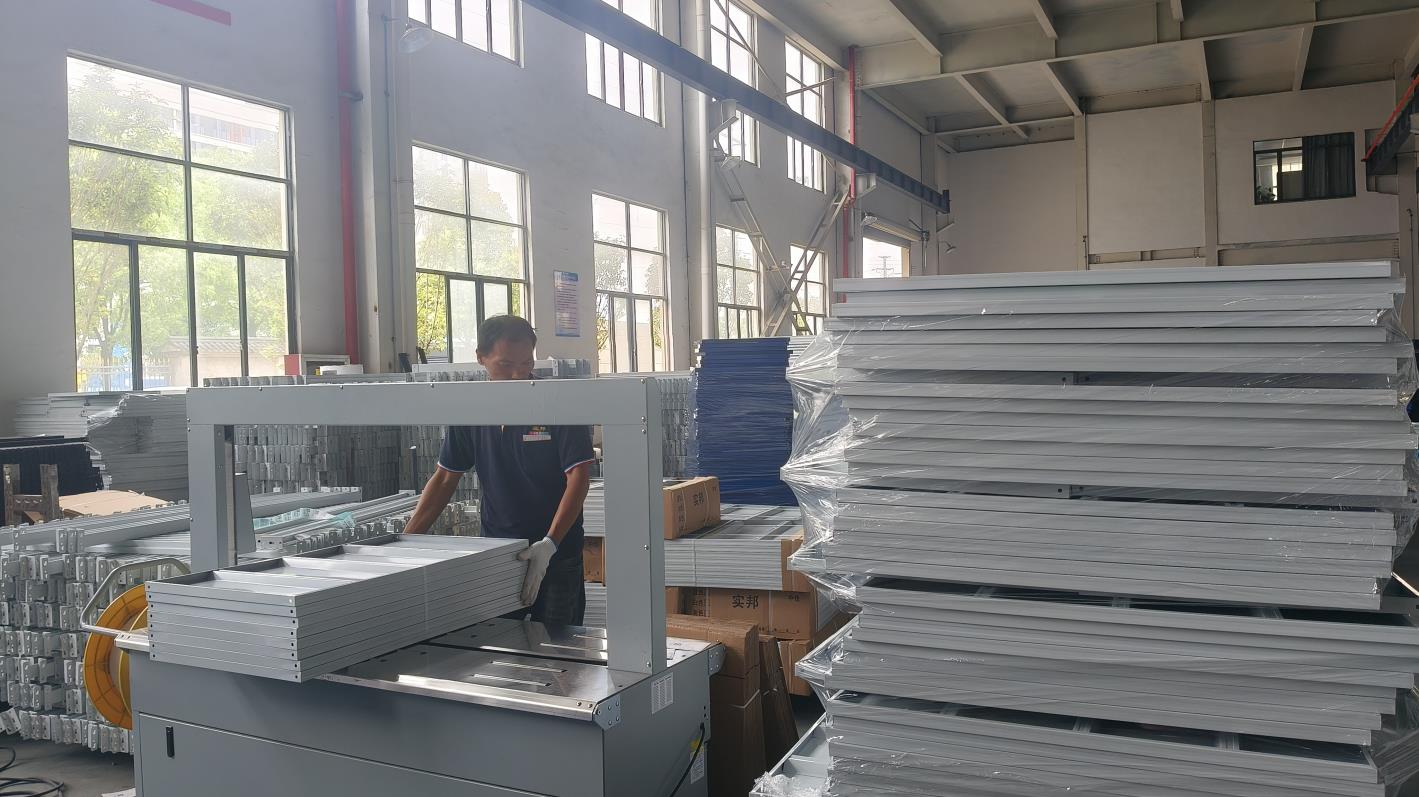
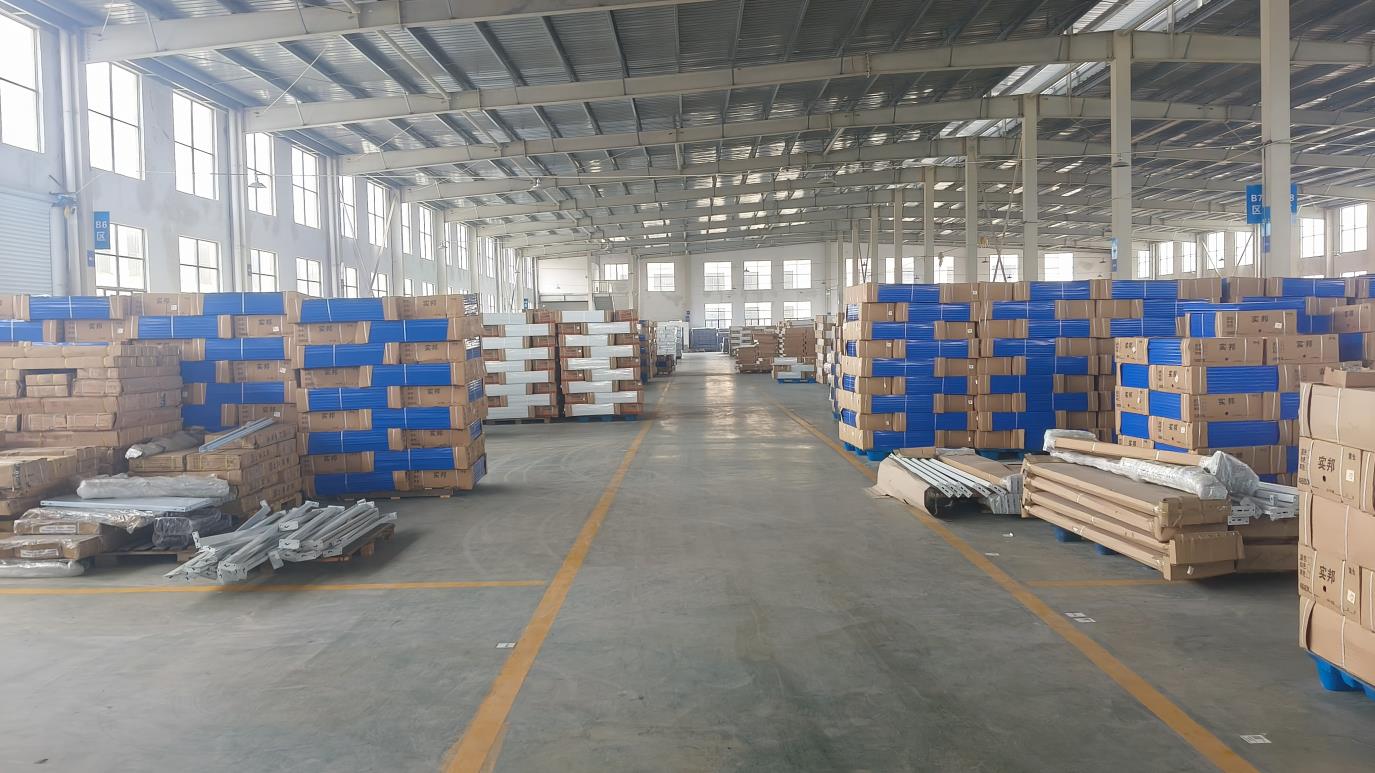
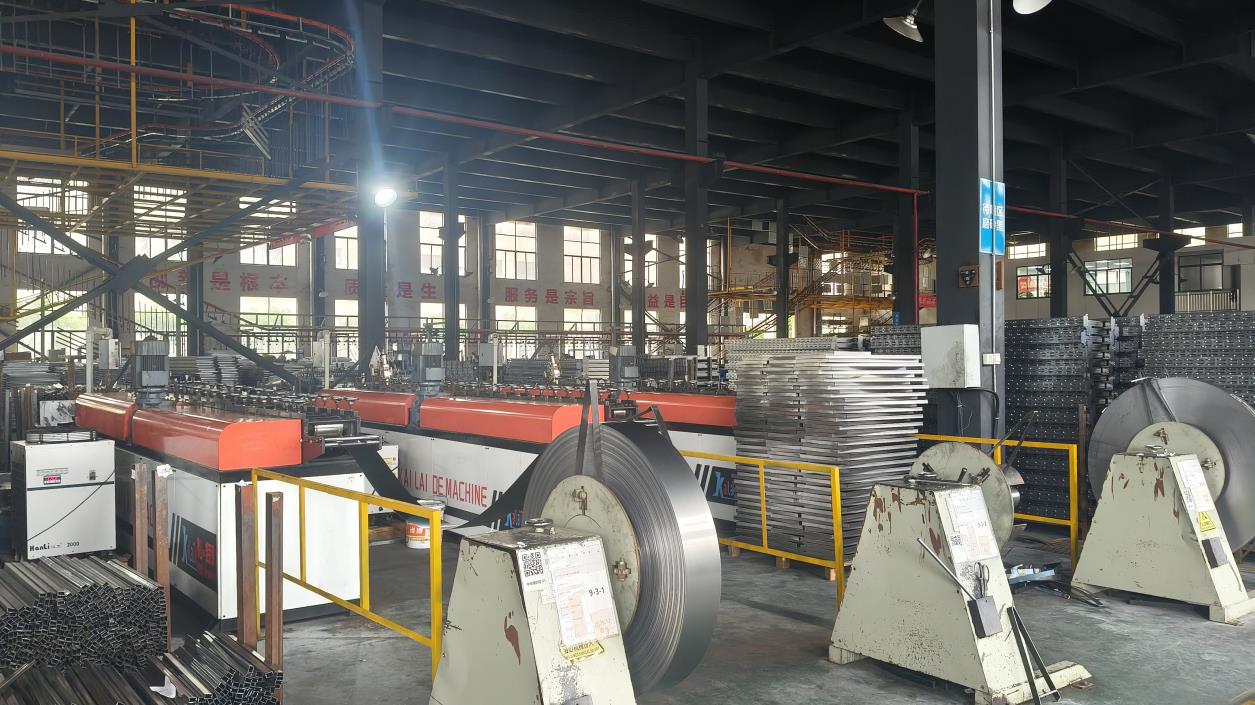
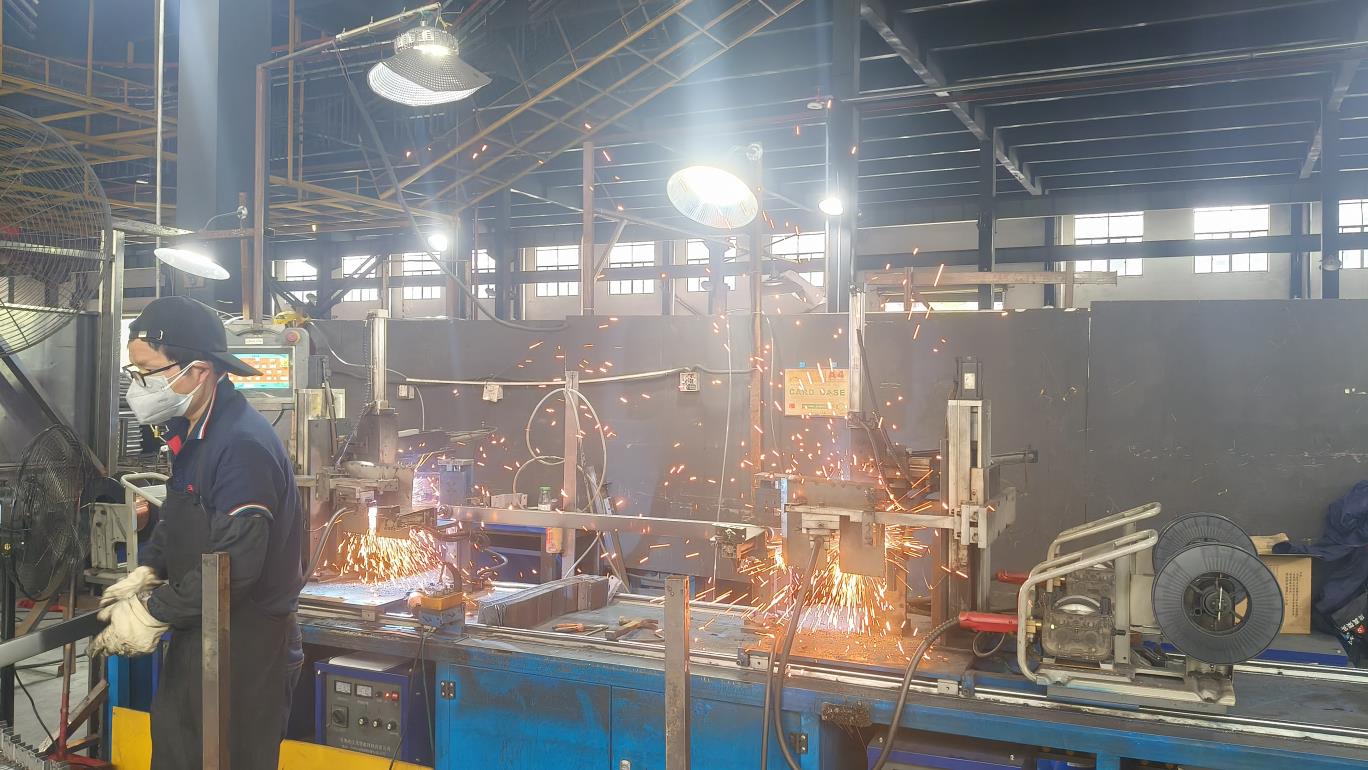
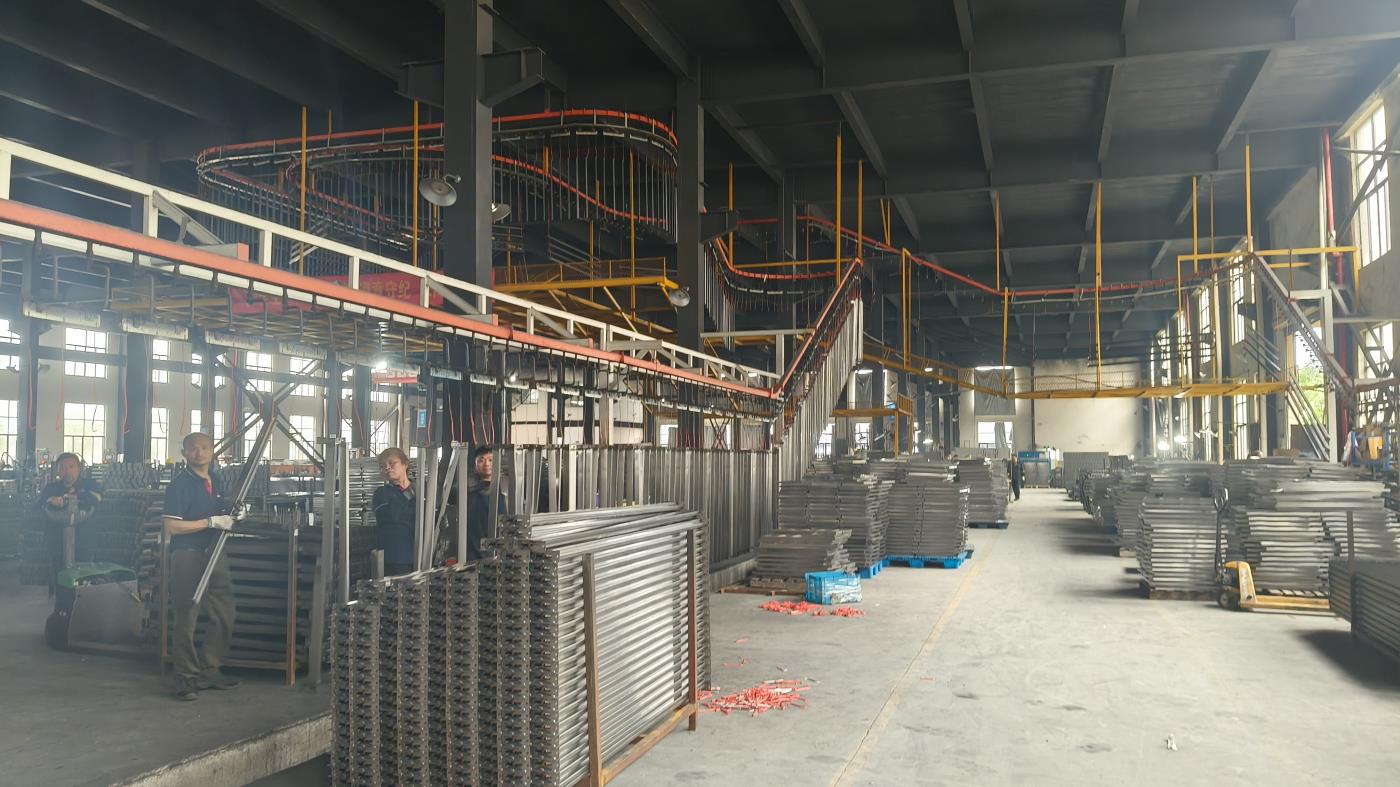
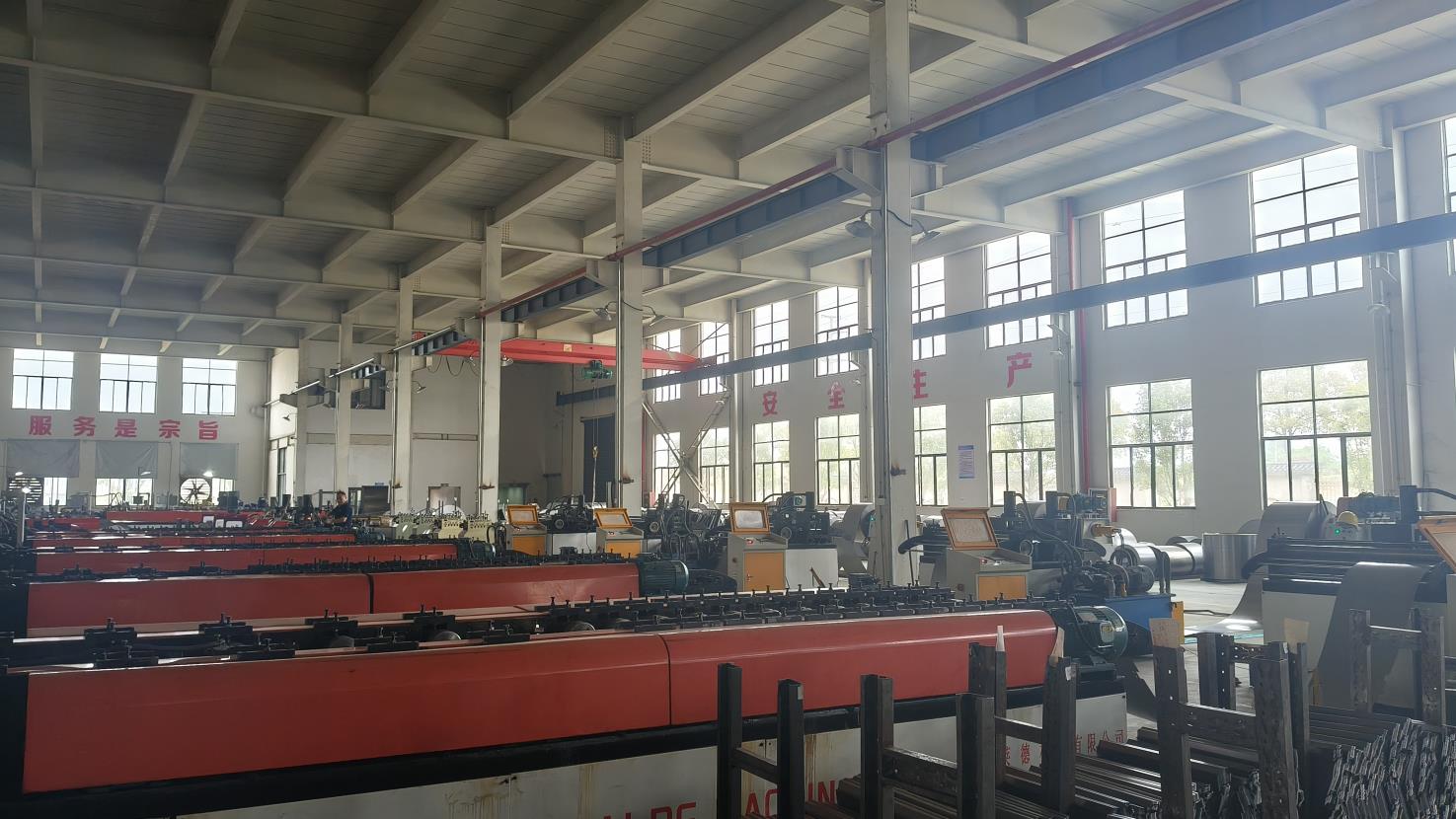
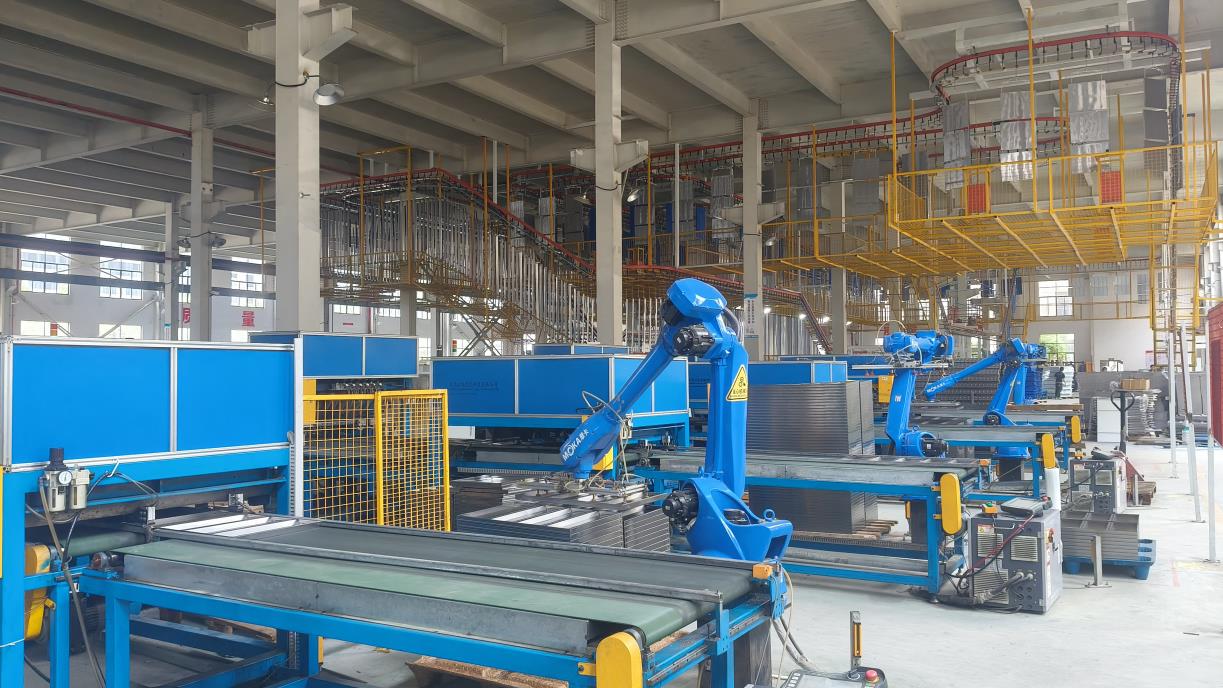
Our factory machinery includes tube cutting saws, tube punching machines, guillotine shears, hydraulic punching systems, plate bending machines, and advanced robotic welding workstations. This combination of advanced equipment ensures high efficiency, precise product dimensions, and robust weld strength. Our automated spray painting line delivers a uniform finish that protects structural components from humidity and chemical exposure, ensuring long-term performance.
For procurement officers and warehouse design managers, securing international equipment orders requires defining clear technical specifications. When submitting a request for proposal (RFP/RFQ) for high-performance shelving and labeling infrastructure, ensure the following parameters are specified:
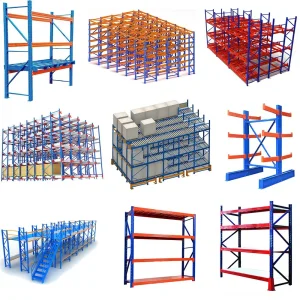
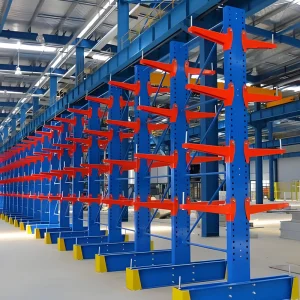
Explore our structural steel warehouse shelving designed for diverse industrial applications, load profiles, and automated logistics systems.
 LogiSteel Racking